
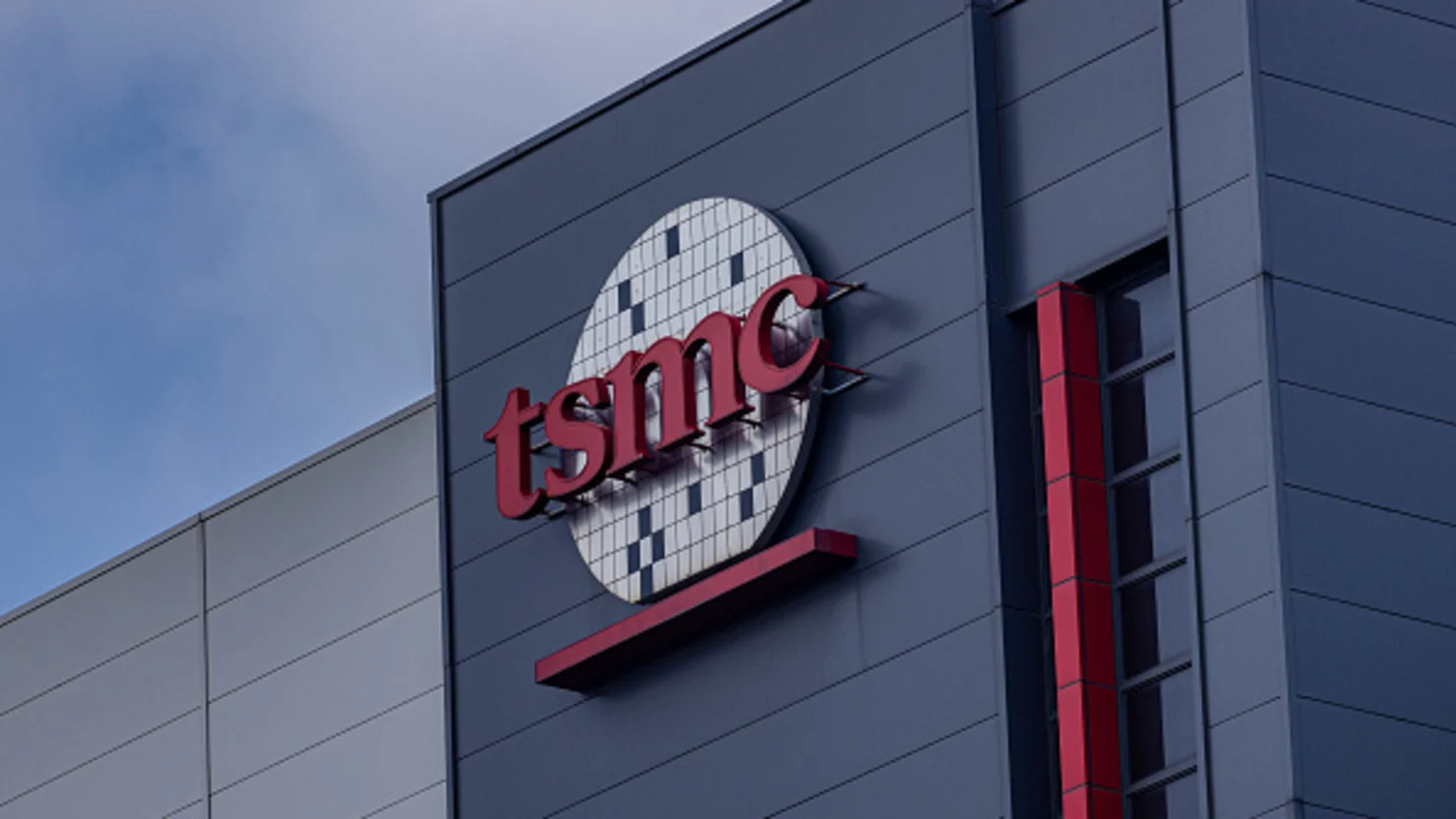

In a stunning move that could rattle the tech world, Taiwan has flatly rejected the U.S. proposal to produce half of the chips America consumes domestically. The announcement signals that Taiwan isn’t budging on its semiconductor dominance, even as Washington pushes to secure its supply chain.
The 50-50 Chip Idea That Shook Washington
Last weekend, U.S. Commerce Secretary Howard Lutnick suggested that Taiwan should manufacture 50% of the chips needed by the U.S. domestically. His reasoning: the U.S. currently relies on Taiwan for a staggering 95% of its semiconductor supply, leaving critical industries exposed.
Lutnick’s plan would have dramatically reshaped the global chip landscape, forcing Taiwan to reroute a huge chunk of its production to the U.S.
Taiwan Hits the Brakes
Taiwan’s top trade negotiator and Vice Premier Cheng Li-chiun delivered a firm response: the 50-50 plan was not even discussed during recent trade talks in Washington, and Taiwan has no intention of complying.
Cheng told reporters:
“Our focus was on lowering tariff rates, securing exemptions from tariff stacking, and reducing levies on Taiwanese exports. The 50-50 production plan was not on the table.”
In other words, Taiwan is sticking to its guns, protecting its semiconductor industry while negotiating favorable trade conditions, rather than bending to U.S. pressure.
Why U.S. Companies Are Nervous
Taiwan dominates semiconductor manufacturing. Nearly all of America’s high-performance chips for smartphones, computers, and defense systems come from the island.
A forced 50-50 production split would:
- Disrupt global supply chains
- Delay chip shipments for U.S. tech companies
- Create economic headaches for Taiwan without guaranteeing faster U.S. self-sufficiency
For now, the U.S. must balance strategic goals with practical realities, knowing Taiwan’s cooperation is voluntary.
Trade Talks Focused on Tariffs, Not Chips
Instead of production quotas, the recent U.S.-Taiwan talks centered on tariffs and trade facilitation:
- Reducing the reciprocal 20% tariff rate Taiwan currently faces
- Securing exemptions from tariff stacking
- Improving conditions for Taiwanese exports to the U.S.
This shows that Taiwan’s priority is economic stability and market access, not meeting U.S. production targets.
What This Means for Global Tech
The rejection of the 50-50 plan is a reminder of Taiwan’s leverage in the semiconductor world. Any attempt to force production shifts could have far-reaching consequences:
- Tech companies might face slower chip availability
- Global electronics markets could see price fluctuations
- Geopolitical tensions may rise, as U.S. efforts to reduce Taiwan dependence continue
Investors and tech firms will be watching closely, as Taiwan remains the indispensable linchpin of the global chip industry.
The Strategic Battle Over Semiconductors
For the U.S., reducing reliance on Taiwanese chips is a long-term goal, driven by:
- National security concerns
- Supply chain resilience
- The desire to boost domestic chip production
But Taiwan is sending a clear signal: it will negotiate trade terms and tariffs, but it won’t compromise its dominant position in semiconductor manufacturing.
What’s Next?
Experts expect continued negotiations between the U.S. and Taiwan, primarily focused on tariffs, trade, and market access, rather than production quotas.
Meanwhile:
- Taiwan retains control over its critical semiconductor output
- The U.S. may continue investing heavily in domestic chip fabrication
- The global tech sector braces for a delicate balance between supply security and international cooperation
Taiwan Stands Firm
Taiwan’s firm “no” to the U.S. 50-50 chip proposal underscores the island’s unmatched strategic importance. While Washington seeks to reduce dependence on foreign semiconductors, Taipei is focused on trade stability, economic leverage, and protecting its high-tech ecosystem.
The result: a high-stakes game of tech diplomacy that could reshape the semiconductor industry for years to come.

