
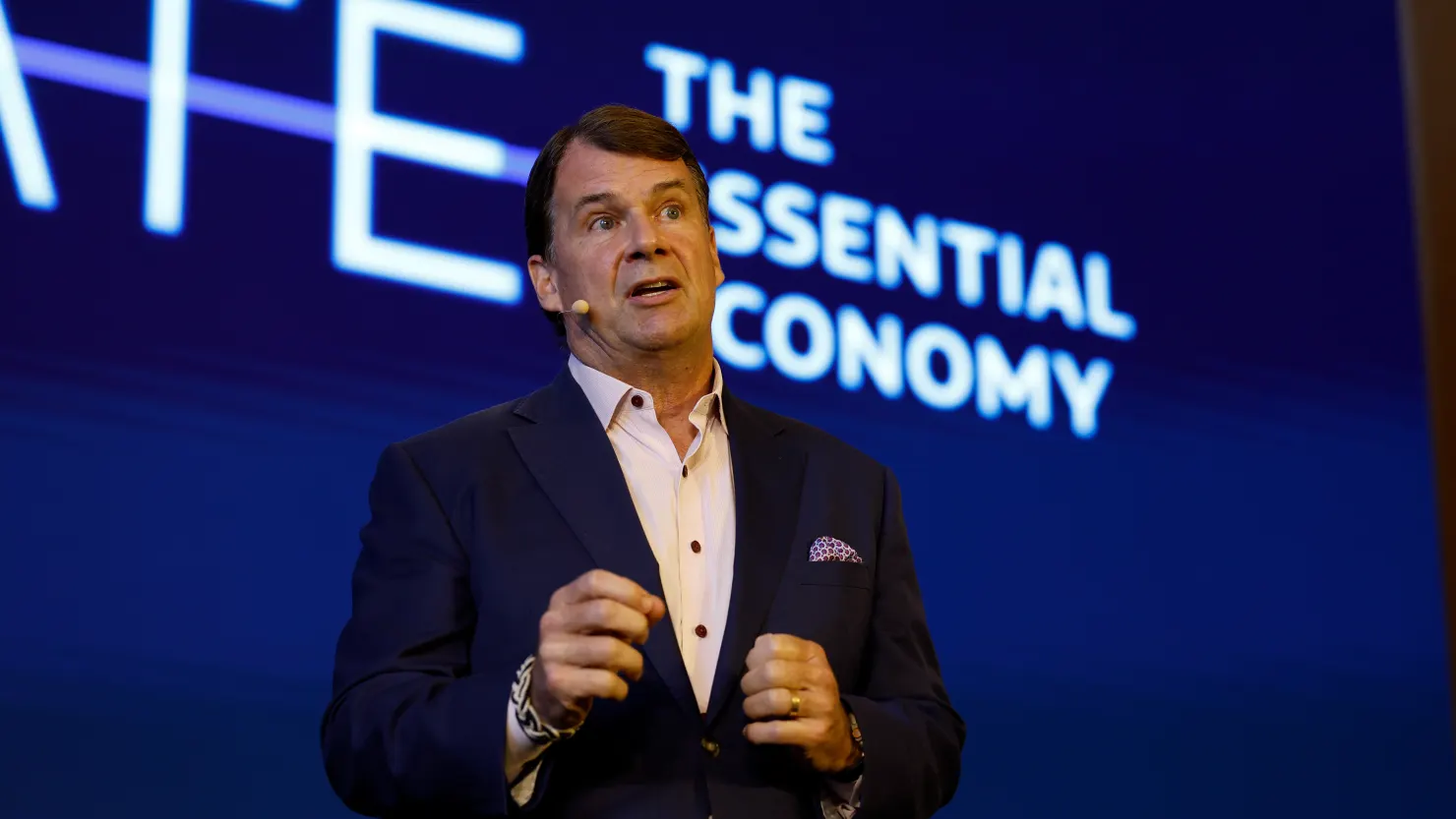
Ford CEO Jim Farley Reflects on Five Years of Leadership, Eyes Future Growth and Investor Returns

Ford Motor Company CEO Jim Farley recently marked his fifth anniversary at the helm of the automaker, reflecting on a tenure defined by unexpected challenges, strategic pivots, and a renewed focus on shareholder value. Since taking over in 2020, Farley has navigated a complex landscape, ranging from global supply chain disruptions to evolving regulatory frameworks, while steering Ford toward electrification and modern mobility solutions.
A Five-Year Journey of Surprises
Farley, 63, noted in a recent interview with CNBC that the past five years have been full of “surprises,” both expected and unforeseen. His tenure began during a particularly volatile period for the automotive industry, with Ford’s stock trading at some of its lowest points in recent history. Despite early challenges, Farley emphasized that the company’s strategic initiatives and operational agility have positioned Ford for long-term growth.
The automaker experienced significant fluctuations in stock price over the past five years. The highest point under Farley’s leadership occurred in January 2022, when shares surpassed $25, reflecting optimism surrounding the company’s electric vehicle initiatives and strategic investments. However, the stock has since seen declines, closing recently at $11.96 per share, highlighting the ongoing pressures facing the global automotive market.
Regulatory Changes and Potential Benefits
Farley also commented on recent changes in regulations introduced during the Trump administration, suggesting that some of these measures could prove more beneficial than Wall Street anticipates. While details of specific regulatory shifts were not disclosed, Farley’s remarks indicate that Ford may be able to leverage certain policies to enhance operational efficiency, reduce costs, or accelerate its strategic goals.
The CEO’s optimistic outlook underscores his broader strategy of using regulatory changes as opportunities rather than obstacles. This approach reflects a shift from reactive management to proactive planning, ensuring that Ford remains competitive in a rapidly evolving automotive landscape.
Focus on Investor Returns
A key priority for Farley over the next phase of his leadership is improving returns for investors. Despite the stock price volatility experienced over the past five years, Farley remains committed to enhancing shareholder value through disciplined capital allocation, operational efficiency, and strategic growth initiatives.
Ford has invested heavily in electrification, autonomous driving technologies, and connected vehicle services. These initiatives are expected to play a pivotal role in shaping investor sentiment and driving long-term profitability. By aligning innovation with financial performance, Farley aims to restore confidence among shareholders while positioning Ford as a leader in the next generation of mobility solutions.
Navigating Industry Challenges
Under Farley’s leadership, Ford has faced multiple industry challenges, including semiconductor shortages, global supply chain disruptions, and shifting consumer preferences. The CEO has consistently emphasized resilience, adaptability, and long-term vision as key drivers for navigating these uncertainties.
In addition to operational hurdles, the automotive industry is undergoing a structural transformation toward electric vehicles, renewable energy integration, and digital mobility solutions. Farley’s strategy has focused on balancing legacy operations with new technology investments, ensuring that Ford remains competitive while embracing the future of transportation.
Strategic Initiatives Under Farley
Farley’s tenure has been marked by several high-profile initiatives, including the expansion of Ford’s electric vehicle lineup, investment in autonomous and connected vehicle technologies, and restructuring efforts aimed at improving operational efficiency. These steps are designed to position Ford as a forward-looking automaker capable of competing with both traditional and emerging players in the automotive sector.
The CEO has also emphasized a culture of innovation within the company, encouraging teams to challenge conventional approaches and explore new opportunities. This mindset has led to product launches, partnerships, and technological advancements that align with the company’s long-term vision for sustainable mobility.
Looking Ahead
As Farley reflects on his first five years, he remains focused on the future. His vision for Ford includes not only strengthening the company’s core automotive business but also expanding into new areas of mobility, technology, and sustainability.
Farley’s approach combines operational rigor with a willingness to adapt to changing market conditions. By leveraging regulatory developments, investing in innovation, and maintaining a disciplined focus on investor returns, he aims to ensure that Ford continues to thrive in a competitive and evolving industry landscape.
Jim Farley’s five-year tenure as CEO of Ford has been marked by a blend of challenges and opportunities. From navigating stock volatility and regulatory changes to driving innovation in electric and connected vehicles, Farley has sought to balance short-term pressures with long-term growth objectives.
As he looks ahead, the CEO’s focus on investor returns, strategic innovation, and operational efficiency signals a continued commitment to positioning Ford as a resilient and forward-thinking automaker. Despite the surprises of the past, Farley’s leadership demonstrates a clear vision for the company’s future, ensuring that Ford remains a key player in the rapidly transforming automotive world.

