
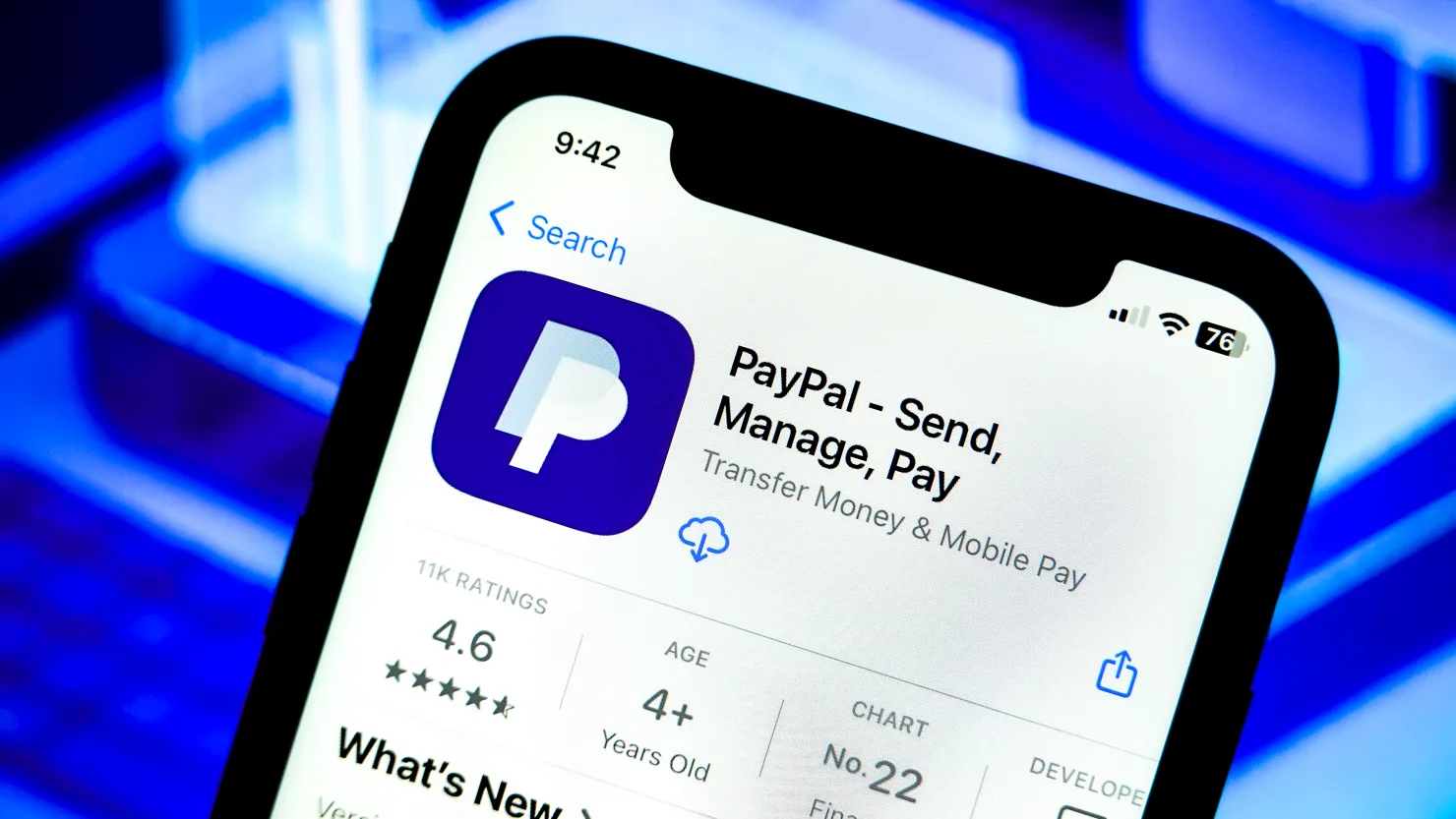
PayPal Stock Skyrockets 14% After Shocking OpenAI Deal — ChatGPT Is About to Start Handling Your Money

The AI That Writes Essays Can Now Pay Your Bills. Welcome to the Future.
Elon Musk’s old company just teamed up with his old chatbot.
In a move that’s sending shockwaves through both Silicon Valley and Wall Street, PayPal and OpenAI have inked a groundbreaking deal that will make PayPal the first-ever payments wallet built directly into ChatGPT.
The result? ChatGPT — the same AI that writes code, essays, and love letters — will soon also be able to buy things, send money, and complete real-world transactions.
And investors are losing their minds. PayPal shares exploded 14% within hours of the announcement — the company’s biggest one-day jump in years.
ChatGPT Is About to Become Your Wallet
Starting next year, ChatGPT users will be able to make payments without ever leaving their chat window.
You could simply type something like, “Order a coffee from Starbucks” or “Pay my freelance designer,” and ChatGPT will handle everything — from generating the invoice to processing the payment through PayPal.
It’s fast. It’s frictionless. And it’s the start of a new kind of online economy — where you don’t click, you just chat your way through transactions.
“ChatGPT isn’t just an assistant anymore,” said PayPal CEO Alex Chriss in an interview with CNBC. “It’s becoming a commerce platform — and we’re bringing the payments power behind it.”
A Game-Changer for PayPal — and for AI
The deal gives PayPal something it’s been missing for years: momentum.
After falling behind Apple Pay, Stripe, and other fintech giants, PayPal is suddenly front and center in the global AI revolution.
By integrating with ChatGPT — one of the most popular AI tools on Earth — PayPal gains access to hundreds of millions of potential users, many of whom use ChatGPT daily for work, learning, and personal productivity.
“Think of ChatGPT as the new App Store,” said one analyst. “Everyone’s building inside it — and now PayPal is the first financial layer in that ecosystem.”
What This Means for ChatGPT Users
If you’re a ChatGPT Plus subscriber or use the business tools OpenAI plans to expand in 2026, you’ll soon have the option to link your PayPal account directly.
From there, the AI can:
- Purchase goods or services on your command.
- Handle peer-to-peer payments.
- Manage invoices or track purchases.
- Even assist with refunds or disputes — all within the chat window.
PayPal says all the buyer and seller protections — including fraud prevention, dispute resolution, and package tracking — will still apply.
So, yes — your AI assistant will be able to help you get your money back if your order never shows up.
Why Wall Street Is Freaking Out
This isn’t just a tech feature — it’s an entirely new business model.
PayPal’s integration gives OpenAI a clear path toward monetizing ChatGPT’s massive user base, while PayPal gains early access to what could become a trillion-dollar AI economy.
Investors see this as a defining moment. For the first time, a mainstream AI model is entering the payments industry — not as a partner tool, but as a built-in financial platform.
“Every transaction, every purchase, every booking could eventually happen through ChatGPT,” said a market strategist. “And PayPal will be taking a piece of it.”
That vision sent PayPal’s stock price flying — a 14% surge that stunned analysts who’ve been calling the stock “stagnant” for years.
A Big Win for OpenAI Too
For OpenAI, this partnership transforms ChatGPT from a productivity tool into a commercial powerhouse.
Until now, ChatGPT could tell you what to buy — but it couldn’t buy it for you. That changes in 2026.
Now, OpenAI’s AI will be able to recommend, order, and pay for things on your behalf. It’s like Siri, Alexa, and your accountant had a baby — and that baby can spend money.
“This turns ChatGPT into an actual assistant, not just a chatbot,” one AI analyst said. “It bridges the gap between information and action.”
Privacy and Security Questions
Of course, not everyone’s celebrating.
The idea of AI handling your money raises obvious questions about data privacy, consent, and control.
PayPal says transactions will still go through its secure servers, protected by industry-standard encryption and fraud monitoring. Users will also receive full transaction records in their PayPal dashboard.
Still, cybersecurity experts warn regulators will be watching closely. “AI-driven payments are exciting, but they’re also untested at scale,” one expert told CNBC. “If something goes wrong, who’s responsible — the user, PayPal, or the AI?”
The Future of Conversational Commerce
Despite concerns, the move cements a growing trend known as “conversational commerce” — the idea that soon, we’ll buy things not by clicking buttons, but by talking to AI assistants.
Imagine saying:
- “Book me a table at Zuma tonight.”
- “Order flowers for my mom.”
- “Renew my car insurance.”
ChatGPT will handle it — checking details, finding prices, and paying instantly through PayPal.
It’s not sci-fi anymore. It’s happening next year.
PayPal’s Comeback Story
This deal could be PayPal’s biggest move in over a decade.
After years of struggling to compete with newer fintech disruptors, PayPal has finally found a way to stand out — by fusing finance and AI.
Investors say this could be the “ChatGPT moment” for PayPal, the same way Tesla had its electric breakthrough and Nvidia exploded with AI chips.
“This puts PayPal back on the map,” said one market analyst. “It’s not just a payments app anymore — it’s becoming the engine of the AI economy.”
The Bottom Line
The future of money just got a lot more intelligent.
By partnering with OpenAI, PayPal isn’t just processing payments — it’s helping shape how we interact with technology itself.
The age of typing your credit card into websites might soon be over. In its place? A simple chat with your AI assistant that knows what you need — and now, can pay for it.

