
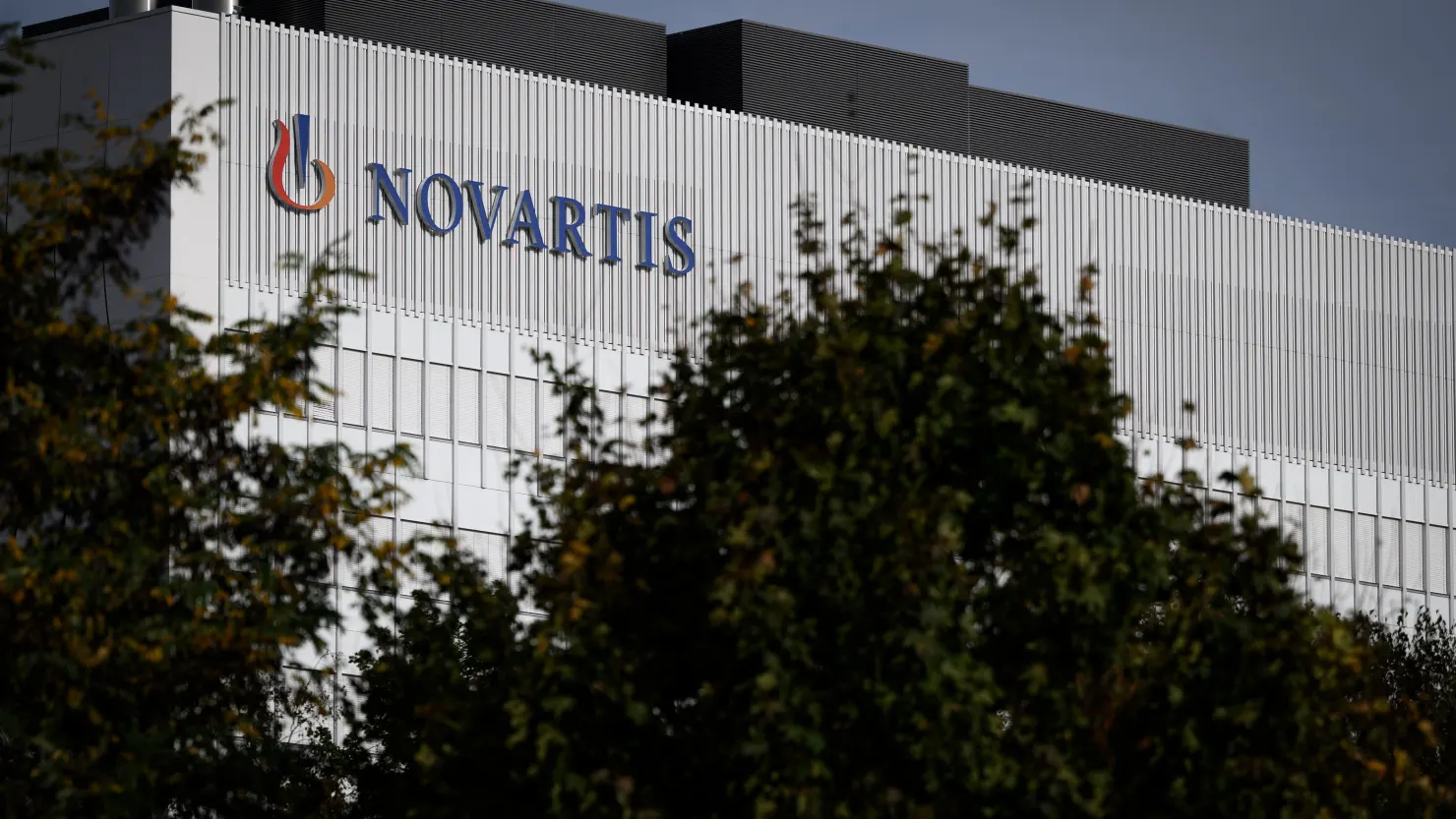
Novartis CEO Signals Bold M&A Plans Following $12 Billion Avidity Biosciences Deal

Novartis is making waves in the pharmaceutical industry with its latest move to acquire Avidity Biosciences for approximately $12 billion, marking the Swiss drugmaker’s largest deal in a decade. The acquisition highlights Novartis’ ongoing strategy to strengthen its growth profile amid increasing pressure from generic competition, according to CEO Vas Narasimhan.
Novartis has been on an aggressive buying spree over the past year, acquiring more than 35 companies to expand its pipeline and diversify revenue streams. “We have adequate firepower to do deals like this and to bolster the growth profile of the company,” Narasimhan told CNBC. The acquisition of Avidity, a U.S.-based biotechnology firm, provides Novartis access to a portfolio of promising experimental drugs that could generate significant revenue in the coming years.
The deal comes at a time when Novartis is outperforming the broader Swiss market. The company’s stock has risen approximately 17% since the start of the year, compared to an 8% increase in the Swiss Market Index. The strong market performance reflects investor confidence in Novartis’ ability to navigate challenges in the pharmaceutical sector, particularly in offsetting revenue losses caused by generics.
Avidity Biosciences has three leading drugs in its pipeline, two of which are expected to reach the market before 2030. Novartis believes these drugs have the potential to generate billions of dollars in sales, making the acquisition a strategic move to secure the next generation of high-value products. “We are driven by science and the technology. In this case, this was a perfect fit for us,” Narasimhan said.
Novartis’ approach to acquisitions is part of a broader strategy to maintain a competitive edge in an industry where constant innovation is essential. Narasimhan emphasized that the company is always searching for the “next great asset” and that major acquisitions are necessary to sustain long-term growth. “In pharma, ‘can never be done’ is not an option,” he said. “You always have to look forward and identify opportunities that can redefine the company’s trajectory.”
The company’s financial position allows it to pursue these bold deals. Novartis generates free cash flow approaching $20 billion annually, providing significant capacity to invest in high-potential assets. This financial strength enables Novartis to move decisively when opportunities arise, a factor that industry analysts say differentiates it from many competitors.
Novartis’ recent acquisition spree has not only focused on expanding its drug pipeline but also on entering emerging therapeutic areas. The Avidity deal, in particular, strengthens Novartis’ presence in the field of RNA-targeted therapies, which are gaining attention for their potential to treat previously intractable diseases. Experts predict that this sector could be a major growth driver for pharmaceutical companies over the next decade.
The Swiss giant’s strategy reflects a broader trend in the industry, where large established companies are acquiring smaller biotech firms to accelerate innovation and offset declining revenues from older drugs. Generics and biosimilars have created pricing pressure, prompting leading pharma firms like Novartis to seek growth through strategic acquisitions rather than relying solely on internal R&D.
Industry observers view the Avidity deal as a signal of Novartis’ confidence in its long-term vision. By securing a pipeline of potentially blockbuster therapies, the company positions itself to remain competitive in an increasingly crowded and fast-evolving market. “It’s not just about the size of the deal; it’s about ensuring we have a robust pipeline that can sustain growth over the next decade,” Narasimhan said.
The acquisition process is expected to move quickly, with integration efforts focusing on leveraging Avidity’s technological expertise and scientific knowledge. Novartis aims to maintain the innovation culture within Avidity while utilizing its global scale to accelerate clinical trials and commercialization. The combination of Novartis’ global reach and Avidity’s cutting-edge pipeline is expected to create a powerful synergy, driving both scientific progress and financial returns.
Analysts note that Novartis’ strategy is likely to inspire other pharmaceutical giants to pursue similar deals. The emphasis on acquiring high-potential biotech companies underscores the importance of innovation and adaptability in a sector defined by rapid scientific advancements and changing regulatory landscapes.
As Novartis continues to pursue acquisitions, the company is sending a clear message to the market: it is committed to growth, innovation, and maintaining a leadership position in global pharmaceuticals. The Avidity Biosciences deal represents not just a transaction but a strategic investment in the future of medicine, offering the potential to transform Novartis’ portfolio and solidify its market standing for years to come.
With free cash flow to support major deals and a clear focus on scientific innovation, Novartis appears ready to continue its aggressive acquisition strategy. The company’s ability to identify and integrate high-value assets like Avidity may well define its trajectory in the next decade, ensuring that it remains at the forefront of the global pharmaceutical industry.

