

Another Urgent Meeting, Same Uncertain Outcome
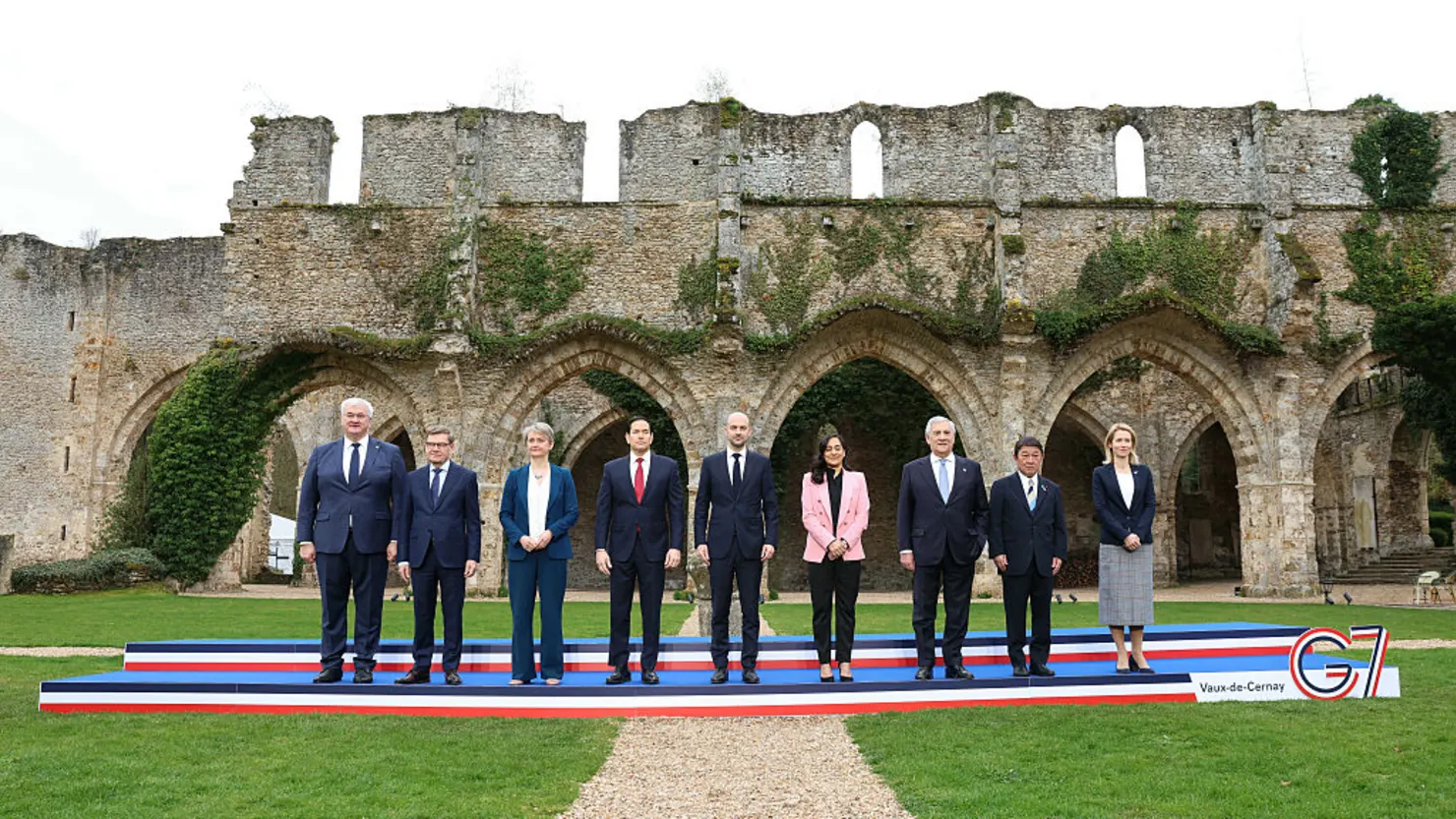
Leaders from the Group of Seven are once again gathering for emergency talks as the war involving Iran continues to rattle global markets.
Finance ministers, central bankers, and energy officials are meeting virtually with a clear goal: stabilize the situation and reassure investors. But there’s a growing problem—these meetings are happening more often, yet they’re delivering fewer results.
Markets Are No Longer Reassured
Each new G7 meeting was once seen as a sign of strong global coordination. Now, it’s starting to feel like a routine response that lacks real impact.
Investors are reacting accordingly:
- Stock markets remain volatile
- Oil prices continue to rise
- Businesses face increasing uncertainty
Instead of calming nerves, repeated meetings without clear action are adding to the anxiety.
The Real Issue: Lack of Unity
Different Countries, Different Priorities
The biggest challenge facing the G7 is internal disagreement. While all members recognize the seriousness of the crisis, they don’t agree on how to respond.
Some countries are pushing for aggressive measures like releasing emergency oil reserves. Others prefer a more cautious approach, worried about long-term consequences.
This divide has made it difficult to take decisive, coordinated action.
Energy Concerns Are Driving the Panic
Why Oil Is at the Center
The ongoing conflict has put global energy supplies at risk, especially in key regions that supply a large portion of the world’s oil.
This has triggered:
- Rising fuel costs
- Increased inflation pressure
- Concerns about supply shortages
For many economies, especially those heavily dependent on energy imports, this is a serious threat.
Talk Without Action
A Pattern Is Emerging
So far, G7 meetings have followed a familiar pattern:
- Leaders acknowledge the risks
- Discussions focus on possible solutions
- Statements are released expressing concern
- Concrete action is delayed or avoided
While these discussions show awareness, they fall short of delivering immediate solutions.
Why Decisions Are So Hard to Make
Political Pressures
Each G7 country faces its own domestic challenges. Leaders must balance global cooperation with national interests, making compromise more difficult.
Economic Trade-Offs
Actions like releasing oil reserves or adjusting policies can have long-term consequences. Countries are hesitant to act too quickly without knowing how the situation will evolve.
Uncertain War Outlook
With no clear end to the conflict, governments are reluctant to commit to major decisions that might need to be reversed later.
The Risk of Going Solo
There’s also growing concern that individual countries might start taking independent action instead of waiting for group consensus.
While this could bring short-term relief, it risks creating:
- Disrupted global supply chains
- Conflicting policies
- Even greater market instability
In a global crisis, coordination matters—but right now, it’s in short supply.
A Test for Global Leadership
The G7 includes some of the world’s most powerful economies, such as United States, Japan, and Germany.
If this group struggles to act together, it raises bigger questions about the future of global cooperation.
What Needs to Change
Clear, Coordinated Action
Markets are looking for more than words—they want to see real steps being taken. A unified decision on energy policy could go a long way in restoring confidence.
Stronger Communication
Mixed messages and vague statements only add to uncertainty. Clear and consistent communication is essential.
Long-Term Thinking
Beyond the immediate crisis, the G7 may need to rethink its approach to energy security, reducing reliance on unstable regions.
The Bigger Picture
This situation reflects a broader shift in the global landscape.
International cooperation is becoming more complex, especially in times of crisis. Economic interests, political pressures, and strategic rivalries are making it harder for even close allies to stay aligned.
Final Thoughts
The repeated G7 emergency meetings highlight a growing gap between intention and action.
While leaders continue to meet and discuss solutions, the lack of unity is preventing meaningful progress. As the conflict involving Iran continues to impact energy markets, the world is watching closely.
Until the G7 can move from discussion to decisive action, uncertainty will remain—and markets will continue to feel the pressure.

