
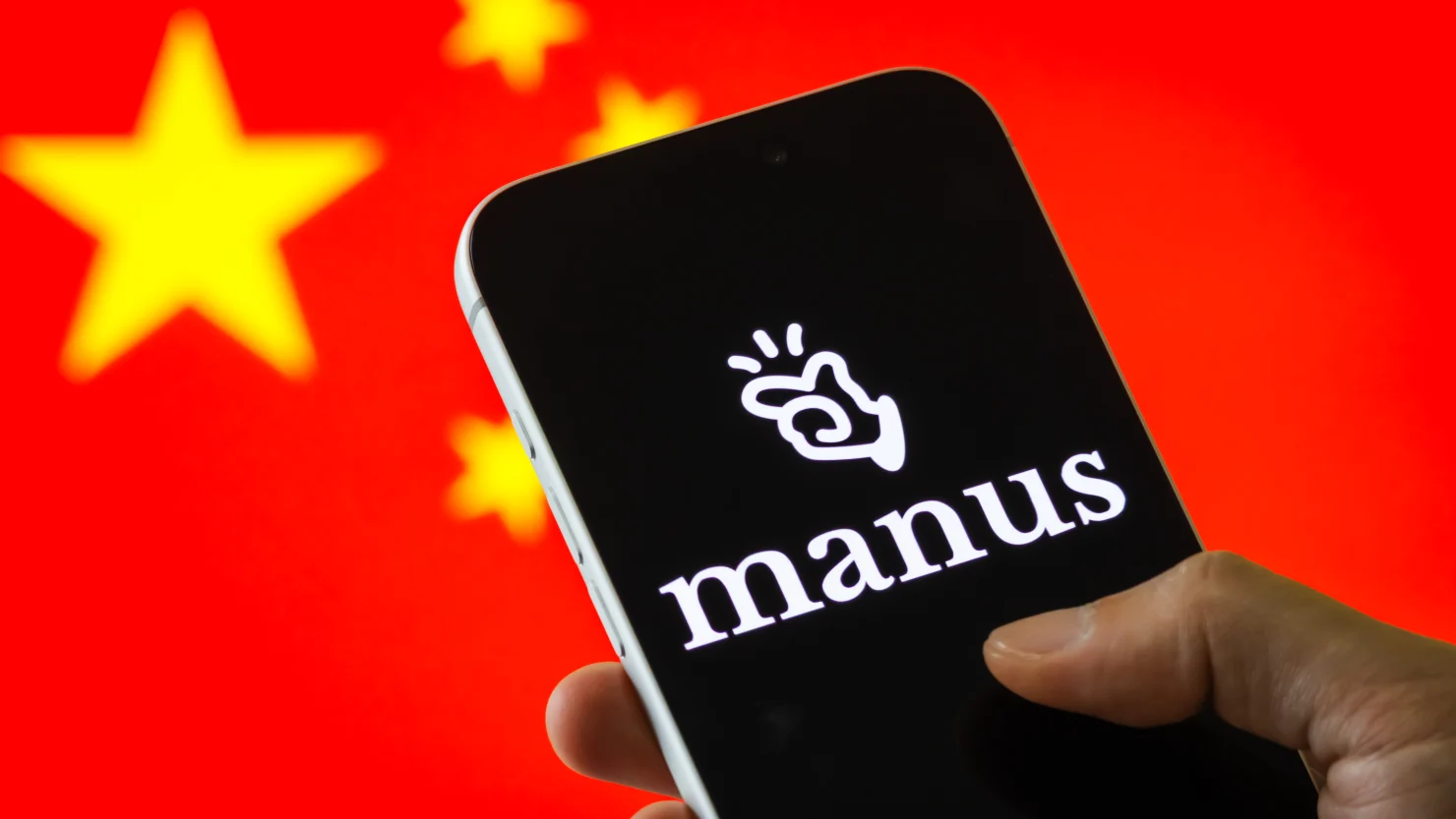
China Just Shook Silicon Valley: Meta’s $2B AI Deal Sparks Panic Among Startups

A $2 Billion Deal That Backfired
When Meta acquired AI startup Manus for $2 billion last year, it was initially celebrated as a bold and clever move. The deal wasn’t just about technology—it was seen as a strategic breakthrough in navigating the complex political landscape between the United States and China.
But that optimism didn’t last long.
A sudden and unexpected intervention by Beijing has sent shockwaves through global tech circles, raising serious questions about how cross-border deals involving China will work in the future.
The Strategy That Everyone Was Watching
What Is “Singapore Washing”?
At the heart of the deal was a structure often referred to as “Singapore washing.” This involves routing ownership or operations through Singapore to reduce scrutiny from both U.S. and Chinese regulators.
For startups and investors, this approach seemed like the perfect workaround:
- It allowed companies to appear less directly tied to China
- It made deals more palatable to Western regulators
- It helped avoid geopolitical red flags
The Meta-Manus deal was seen as proof that this strategy worked.
Beijing’s Surprise Move
That belief was quickly shattered.
Chinese authorities stepped in unexpectedly, signaling that even indirect or offshore structures wouldn’t escape regulatory oversight. The intervention made one thing clear: Beijing still considers these companies within its sphere of influence, no matter how they are structured internationally.
This has created a chilling effect across the tech ecosystem.
Shockwaves Across Silicon Valley and Beyond
From Silicon Valley to Shenzhen, the reaction has been immediate and intense.
Founders Are Rethinking Everything
Startups that once saw global expansion as a straightforward path are now reassessing their strategies. The idea that you can simply restructure and avoid political risk no longer feels reliable.
Investors Are Getting Nervous
Venture capitalists, especially those focused on AI, are becoming more cautious. One seed investor summed it up bluntly: no one wants to follow the path Manus took anymore.
The Rise of “China Shedding”
What Does It Mean?
“China shedding” is quickly becoming a buzzword in the investment world. It refers to companies actively reducing or eliminating their exposure to China—whether in operations, ownership, or supply chains.
Why It’s Gaining Momentum
The Meta-Manus situation has highlighted several risks:
- Sudden regulatory intervention
- Political tensions between major powers
- Uncertainty in cross-border deal approvals
For many, the safest move now is to distance themselves from China entirely.
Why This Matters for AI’s Future
The stakes are especially high in artificial intelligence.
AI is not just another industry—it’s a strategic technology with implications for national security, economic leadership, and global influence.
Increased Scrutiny
Governments are paying closer attention to:
- Who owns AI companies
- Where data is stored
- How technology is transferred across borders
This means deals like Meta’s acquisition of Manus will face far more obstacles going forward.
A New Era of Tech Nationalism
The incident reflects a broader shift toward tech nationalism, where countries prioritize control over critical technologies.
U.S. vs. China Tensions
The rivalry between the United States and China is shaping the rules of the game. Companies are increasingly caught in the middle, forced to navigate:
- Export restrictions
- Investment limitations
- Regulatory approvals from multiple governments
What Founders Should Learn From This
1. Structures Aren’t Bulletproof
Offshore setups like Singapore washing may no longer provide the protection they once promised.
2. Political Risk Is Real
Geopolitics is now a core business risk, not just a background concern.
3. Simplicity May Win
Companies might start favoring simpler, more transparent structures—even if it limits their global reach.
What Investors Are Doing Now
Venture capital firms are already adjusting their strategies:
- Avoiding startups with complex China ties
- Focusing on domestic or “friendly” markets
- Conducting deeper geopolitical risk assessments
This could reshape funding flows in the global tech ecosystem.
The Bigger Picture
This isn’t just about one deal—it’s about a shift in how the tech world operates.
Globalization Is Slowing Down
The idea of a fully interconnected global tech industry is being challenged. Instead, we may see:
- More regional ecosystems
- Less cross-border collaboration
- Increased government involvement
Final Thoughts
The Meta-Manus deal was supposed to be a blueprint for navigating geopolitical complexity. Instead, it has become a cautionary tale.
Beijing’s intervention has made one thing clear: there are no easy shortcuts when it comes to global tech deals involving sensitive industries like AI.
For founders and investors, the message is simple but powerful—adapt to the new reality, or risk being caught off guard.

