
European Markets Set for Mixed Opening as Middle East Conflict Unsettles Traders

European stock markets are expected to open mixed on Thursday as investors remain cautious amid escalating geopolitical tensions in the Middle East.
Market participants are closely monitoring the intensifying conflict involving Israel, Iran, and the United States, which has raised concerns about potential disruptions to global markets and energy supplies.
At the same time, political tensions between the U.S. and Spain have added another layer of uncertainty for investors in Europe.
European Stock Index Outlook
According to market data from IG Group, major European indices are expected to open with mixed performance.
The projected openings are as follows:
- The FTSE 100 in the United Kingdom is expected to open about 0.5 percent higher.
- Germany’s DAX is projected to decline by around 0.2 percent.
- France’s CAC 40 is also expected to drop approximately 0.25 percent.
- Italy’s FTSE MIB could open roughly 0.2 percent lower.
- Spain’s IBEX 35 is forecast to fall about 0.5 percent.
The mixed outlook reflects growing uncertainty among traders as geopolitical risks continue to dominate global headlines.
U.S.–Spain Tensions Add Pressure
Another factor influencing European markets is rising political tension between the United States and Spain.
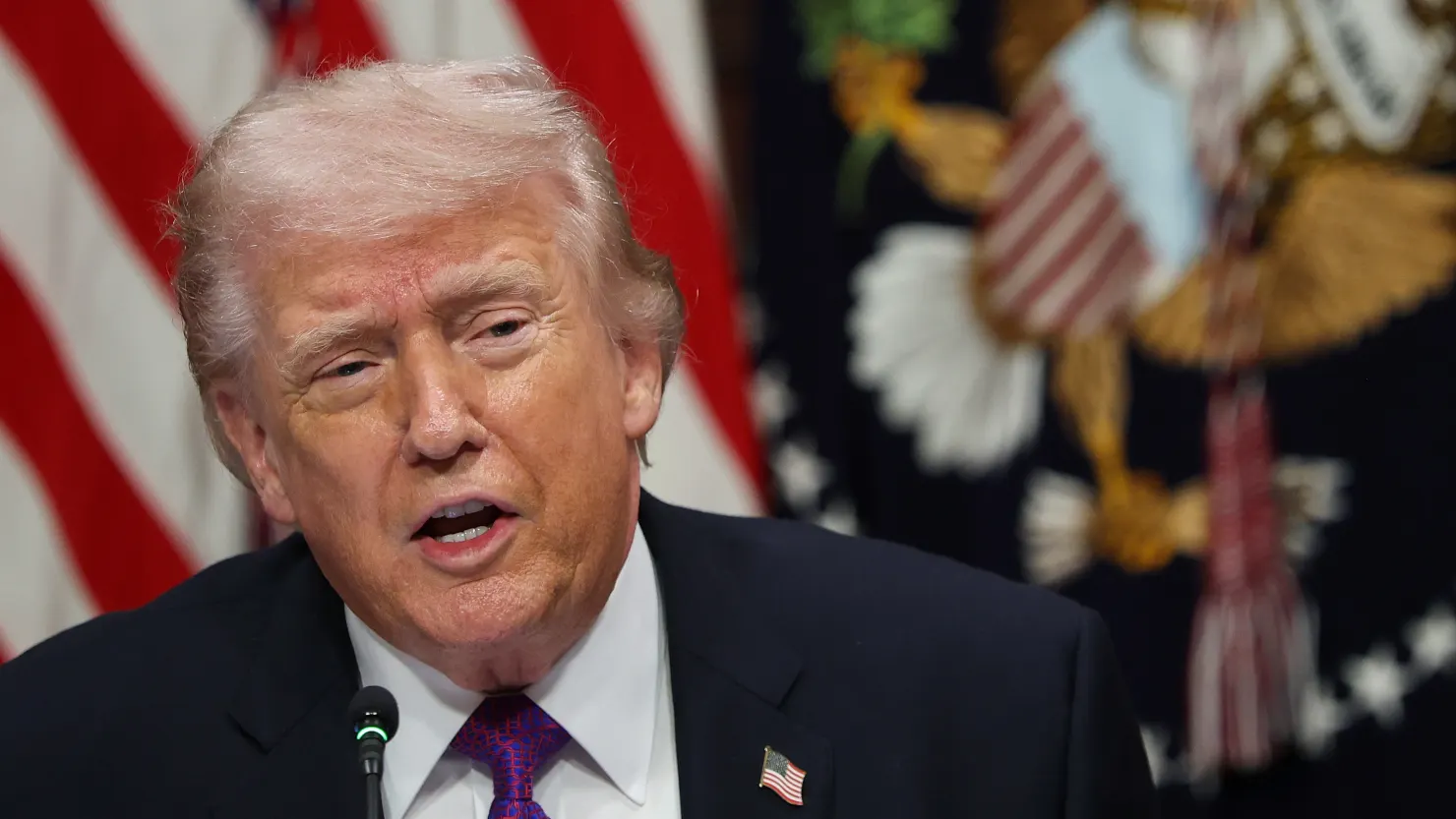
U.S. President Donald Trump recently criticized Spain after the country reportedly refused to allow U.S. military forces to use its bases for potential strikes against Iran.
In a statement earlier this week, Trump expressed strong dissatisfaction with Spain’s decision and suggested the possibility of trade retaliation.
He warned that the United States could cut off trade relations with Spain, escalating diplomatic tensions between the two allies.
Such comments have raised concerns among investors about potential economic consequences if the dispute worsens.
Escalating Conflict in the Middle East
The ongoing war involving Israel and Iran remains the primary concern for global markets.
Over the past 24 hours, military activity has intensified significantly.
Israel launched a new wave of attacks targeting locations in Tehran, the capital of Iran.
The country’s defense leadership has vowed to significantly weaken Iran’s military capabilities through continued operations.
U.S. Military Operations Expand
The United States has also reported extensive military actions related to the conflict.
According to officials, U.S. forces have destroyed 17 Iranian ships and nearly 2,000 targets in the region.
These operations represent a major escalation in the conflict and have heightened fears that the war could spread across a wider part of the Middle East.
Financial markets typically react quickly to such geopolitical developments because they can disrupt trade routes, energy supplies, and global economic stability.
Impact on Investor Sentiment
Geopolitical tensions often trigger volatility in financial markets.
Investors tend to adopt a cautious approach during periods of international conflict, particularly when major economies or energy-producing regions are involved.
Several factors are contributing to the current market uncertainty:
- Rising geopolitical risk in the Middle East
- Concerns about oil supply disruptions
- Political tensions between global powers
- Potential trade disputes affecting Europe
These developments are making traders more cautious when placing bets in equity markets.
Energy Market Concerns
One of the biggest economic risks associated with the conflict involves the global energy market.
The Middle East is a critical hub for global oil and gas production.
If the conflict disrupts shipping routes or energy infrastructure, it could lead to higher oil prices and increased inflation worldwide.
Higher energy costs can affect businesses, consumers, and governments, which is why investors closely watch developments in the region.
Why European Markets Are Especially Sensitive
European markets tend to react strongly to geopolitical tensions for several reasons.
First, many European economies rely heavily on imported energy.
Second, the region is closely tied to global trade flows, making it vulnerable to disruptions caused by international conflicts.
Finally, political disagreements among Western allies can also influence investor confidence in the European economic outlook.
These factors help explain why stock markets across Europe are opening with mixed signals as traders digest the latest geopolitical news.
Global Markets Watching Closely
Financial markets around the world are now watching for signs of further escalation or potential diplomatic efforts to ease tensions.
Any developments related to ceasefire negotiations, military escalation, or international mediation could influence investor sentiment in the coming days.
At the same time, traders are likely to keep a close eye on energy markets, defense stocks, and safe-haven assets such as gold and government bonds.
What Investors Should Watch Next
In the near term, several developments could shape market movements:
- Further military actions in the Middle East
- Diplomatic responses from European governments
- U.S. trade policy decisions involving Spain
- Changes in oil prices and energy supply risks
These factors could continue to drive volatility across global financial markets.
A Period of Uncertainty for Markets
For now, the mixed outlook for European stocks reflects the uncertainty facing investors.
With geopolitical tensions rising and global markets reacting quickly to new developments, traders are likely to remain cautious until there is greater clarity on the situation.
Until then, geopolitical events will likely remain one of the biggest drivers of market sentiment across Europe and the broader global economy.

