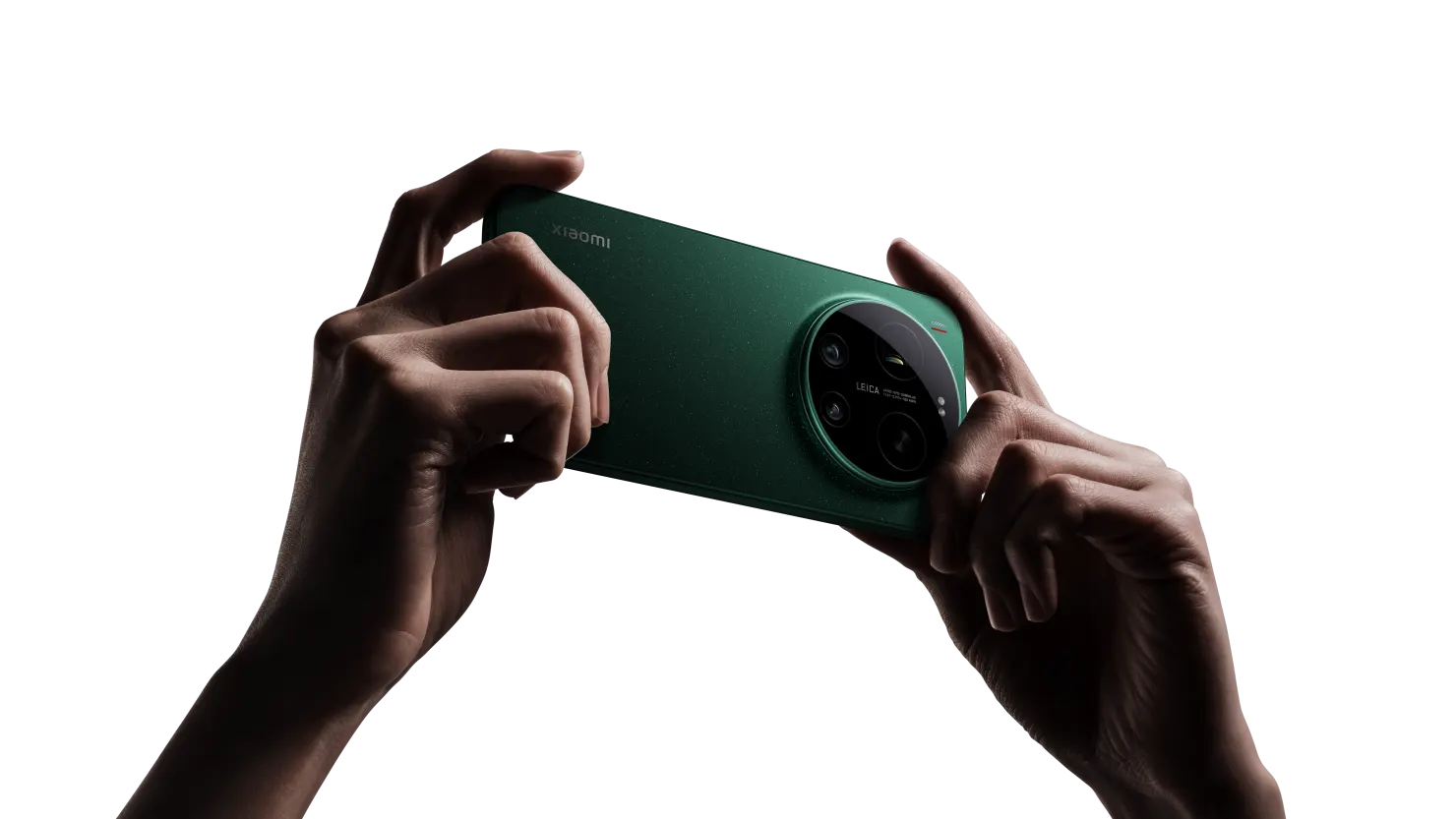

Chinese tech giant Xiaomi has unveiled its latest flagship smartphones, the Xiaomi 17 and Xiaomi 17 Ultra, as it intensifies competition in the premium segment dominated by Samsung and Apple.
The launch comes at a challenging time for the global smartphone industry. An unprecedented surge in memory chip prices is raising production costs, potentially squeezing margins and dampening consumer demand.
Xiaomi 17 Series: Pricing and Positioning
The Xiaomi 17 starts at 999 euros (about $1,179), while the Xiaomi 17 Ultra is priced from 1,499 euros. Notably, the Ultra model carries the same price tag as its predecessor, signaling Xiaomi’s intent to remain competitive despite rising component costs.
With these price points, Xiaomi is clearly targeting the high-end smartphone market — a space traditionally controlled by Apple’s iPhone Pro models and Samsung’s Galaxy S and Ultra series.
The 17 and 17 Ultra represent Xiaomi’s top-tier devices, packed with premium hardware and advanced camera systems designed to attract users seeking flagship-level performance.
Memory Price Surge Poses Industry-Wide Challenge
Why Memory Costs Matter
Memory chips — including DRAM and NAND flash — are critical components in smartphones. They power everything from multitasking performance to storage capacity.
A sharp increase in memory prices affects manufacturers in two main ways:
- Higher production costs
- Potential pressure to increase retail prices
For premium devices, manufacturers have limited room to pass on cost increases without risking slower sales.
Impact on Sales
The timing of the Xiaomi 17 launch coincides with a period of rising bill-of-materials costs across the industry. If memory prices continue climbing, smartphone makers may face thinner profit margins or be forced to absorb part of the increase.
For consumers, higher device prices could dampen upgrade cycles, especially in Europe and other price-sensitive markets.
Xiaomi’s Strategy in the Premium Market
Over the past few years, Xiaomi has steadily moved upmarket, seeking to shed its image as a budget-focused brand.
The 17 series reinforces this strategy by:
- Matching competitors on premium pricing
- Offering top-tier hardware and camera performance
- Maintaining price stability for its Ultra variant
By pricing the Xiaomi 17 Ultra at the same level as its predecessor, the company appears to be prioritizing market share and brand positioning over immediate price hikes.
Competing with Samsung and Apple
Breaking into the high-end smartphone segment is no easy task. Samsung and Apple dominate this space thanks to strong brand loyalty, integrated ecosystems and global distribution networks.
However, Xiaomi has been expanding its footprint in Europe and other international markets, positioning itself as a viable alternative for users who want flagship specifications at competitive prices.
The success of the 17 series will depend not only on hardware performance but also on how well Xiaomi navigates supply chain pressures and component cost volatility.
The Road Ahead
The global smartphone market remains highly competitive, and external factors such as semiconductor pricing add another layer of uncertainty.
If memory prices stabilize, Xiaomi’s new flagships could gain traction among consumers seeking premium devices at slightly more accessible prices compared to rival brands.
But if costs continue to rise, the broader industry may face slower sales growth as higher retail prices test consumer demand.
For now, Xiaomi has made its move — launching its most advanced smartphones yet while betting that demand for premium innovation can withstand mounting supply chain pressures.