
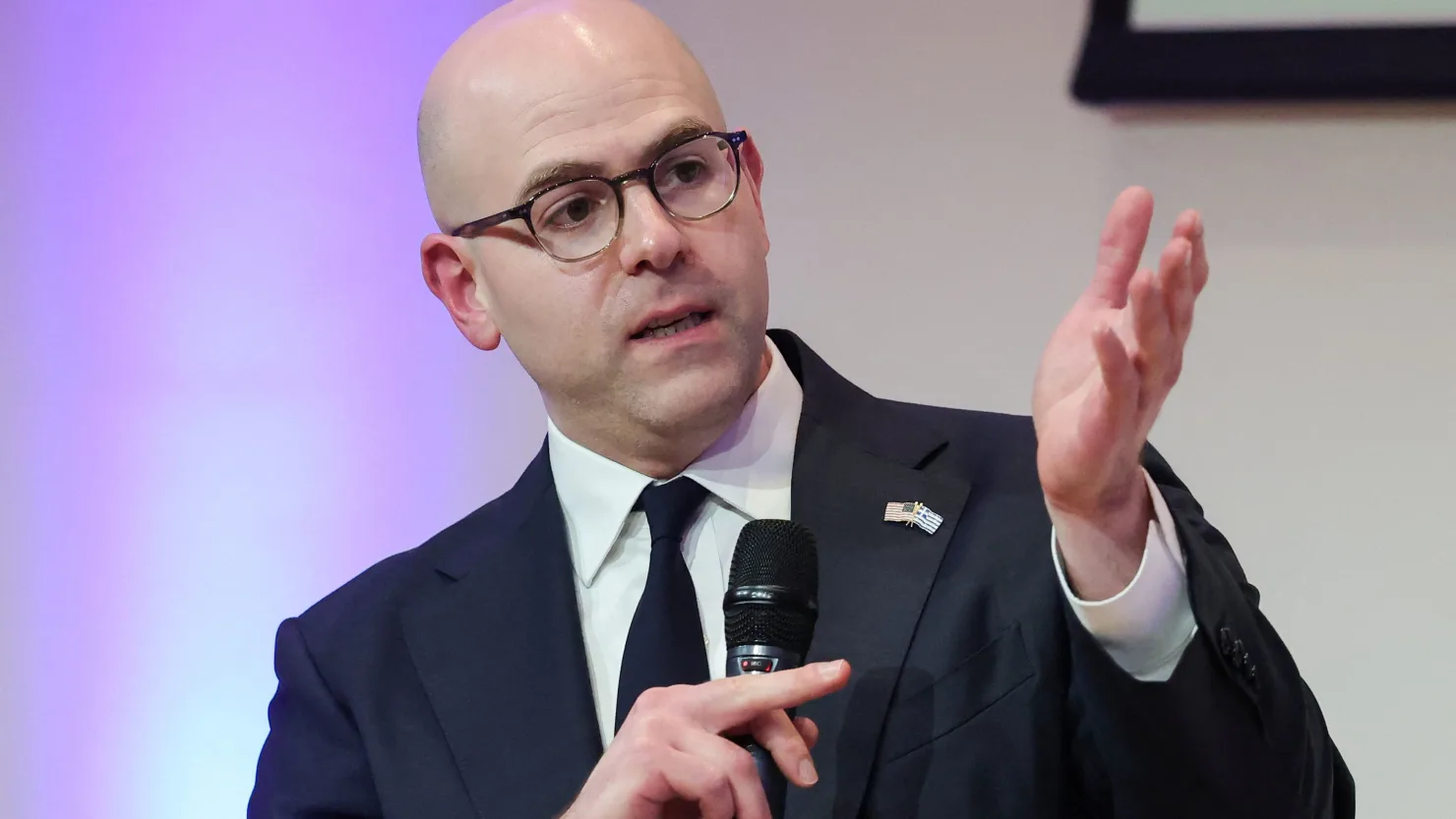

Stephen Miran, a Federal Reserve governor known for his strong support of interest rate cuts, is stepping down from his role in the White House. His departure marks the end of a brief but active chapter in economic policymaking that spanned both the Federal Reserve and the executive branch.
Miran had been serving as chair of the Council of Economic Advisers, a key body that helps shape U.S. economic policy and advises the president on financial and economic issues. His resignation comes shortly after his term at the Federal Reserve officially expired, bringing clarity to questions surrounding his future role in government.
A Short but Eventful Tenure at the Council of Economic Advisers
Joining the CEA in Early 2025
Stephen Miran joined the Council of Economic Advisers in January 2025, stepping into a highly influential role during a period of economic uncertainty. The council plays a central role in analyzing economic data, forecasting trends, and advising on policies related to growth, inflation, employment, and fiscal strategy.
Miran’s appointment was seen as significant due to his background at the Federal Reserve and his clear views on monetary policy. His presence signaled a close alignment between the White House and the central bank on key economic issues.
Leave of Absence and Dual Responsibilities
Although Miran joined the CEA at the start of 2025, he had been on leave from that role since September of the previous year. This was because he stepped in to fill the unexpired term of former Federal Reserve Governor Adriana Kugler.
Balancing responsibilities between the Federal Reserve and the White House is not uncommon, but it often requires temporary adjustments. Miran’s leave allowed him to focus fully on his duties at the central bank during a critical period for monetary policy.
The End of His Federal Reserve Term
Fed Term Expired on January 31
Stephen Miran’s term as a Federal Reserve governor officially ended on January 31. With that term concluded, his resignation from the White House role brings a clean break from his recent government positions.
His time at the Fed coincided with intense debates over inflation, interest rates, and economic growth. As policymakers faced pressure from slowing growth and easing inflation, Miran emerged as a vocal advocate for more aggressive action.
A Strong Advocate for Interest Rate Cuts
During his tenure at the Federal Reserve, Miran consistently pushed for interest rate cuts. He argued that easing monetary policy was necessary to support economic momentum and reduce the risk of an economic slowdown.
His stance sometimes placed him on the more dovish side of policy discussions, emphasizing growth and labor market stability over prolonged restrictive measures. These views made him a notable voice within the central bank and attracted attention from both supporters and critics.
Why Miran’s Departure Matters
Shifts in Economic Policy Leadership
Miran’s resignation comes at a time when economic leadership and policy direction remain closely watched. Changes in key advisory roles can signal shifts in priorities or approaches, even if broader strategies remain intact.
While no immediate policy changes have been announced, his exit creates space for new voices to influence economic discussions within the White House.
Impact on Monetary and Fiscal Coordination
One of Miran’s strengths was his experience at the Federal Reserve, which helped bridge communication between monetary policymakers and the White House. His departure could slightly alter the dynamic between the two institutions, depending on who replaces him.
That said, the Council of Economic Advisers is a team-based body, and its work continues regardless of individual changes.
What Comes Next for Stephen Miran
Future Career Possibilities
With his terms at both the Federal Reserve and the White House now complete, attention turns to what Miran may do next. Former central bank officials often move into academic roles, private-sector positions, or policy-focused research institutions.
Given his clear policy views and experience at the highest levels of government, Miran is likely to remain influential in economic debates, even if outside formal government roles.
Continued Influence on Economic Discourse
Even without an official title, Miran’s ideas around interest rates and economic growth may continue to shape discussions. Former policymakers often contribute through public commentary, advisory roles, or behind-the-scenes consultations.
His record at the Fed ensures that his perspective will remain relevant as the economy evolves.
Broader Context: A Time of Economic Transition
Ongoing Policy Challenges
Miran’s departure comes as the U.S. economy continues to navigate shifting conditions, including inflation trends, labor market changes, and global uncertainty. Policymakers remain under pressure to balance growth with price stability.
Leadership changes during such periods naturally draw attention, even when they are planned or expected.
Stability Despite Personnel Changes
While high-profile departures can spark speculation, institutions like the Federal Reserve and the Council of Economic Advisers are designed to maintain continuity. Policy decisions are shaped by broader frameworks and collective input rather than any single individual.
Miran’s exit is unlikely to disrupt near-term economic strategy, but it does mark the end of a distinct voice in recent policy debates.
Final Thoughts
Stephen Miran’s resignation from his White House role closes a chapter defined by active engagement in some of the most critical economic discussions of recent years. From advocating for interest rate cuts at the Federal Reserve to advising the White House on economic policy, his tenure was brief but impactful.
As the administration and the central bank move forward, Miran’s departure highlights the ongoing evolution of economic leadership in Washington. While new voices will step in, the debates he helped shape are far from over.

