

A Major Reshaping of Elon Musk’s Business Empire
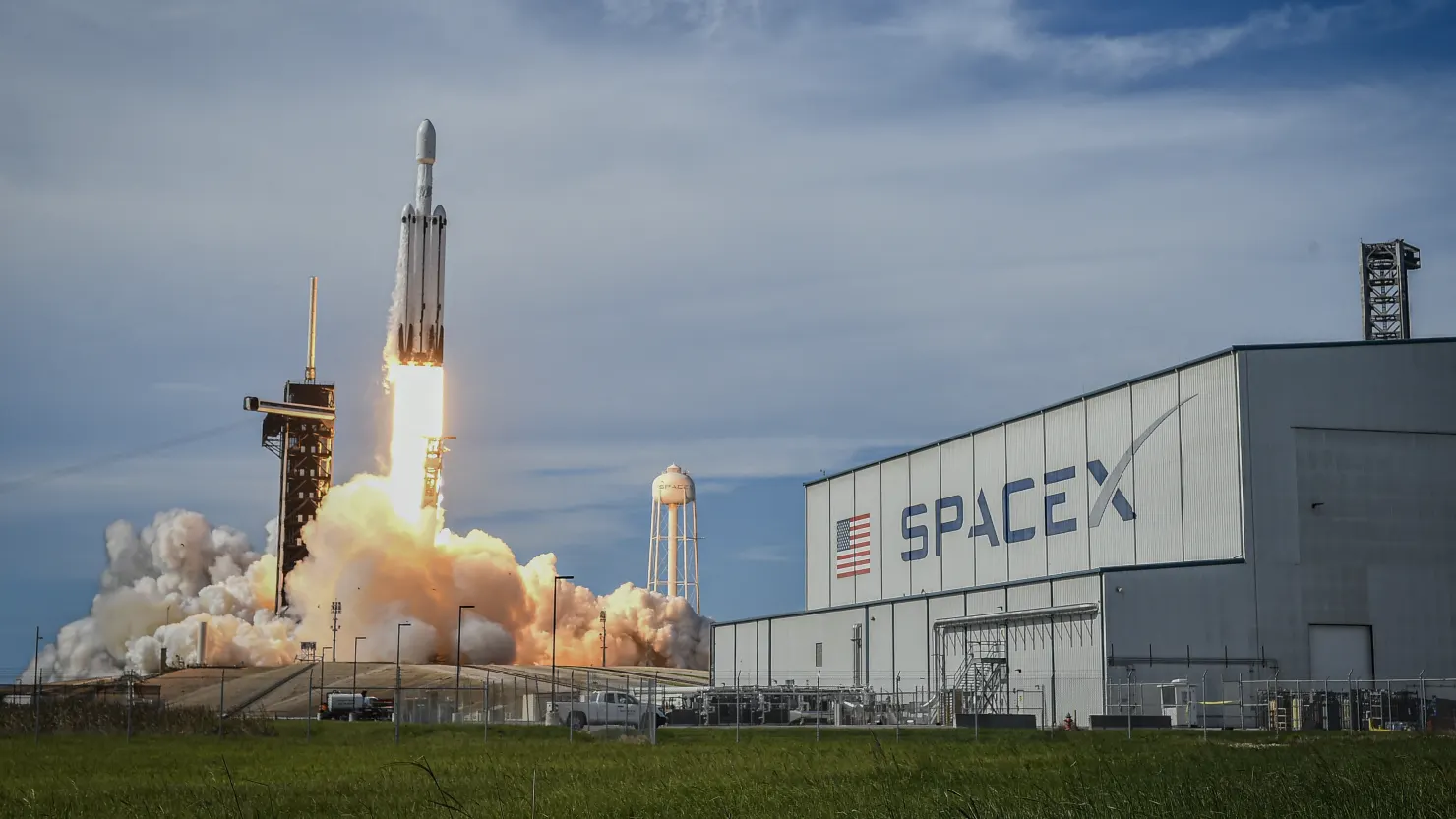
Elon Musk has taken another bold step in reshaping his business empire by combining rocket maker SpaceX with his artificial intelligence startup xAI. The move brings together some of Musk’s most ambitious ventures under a single corporate structure as the combined entity prepares for what could become one of the largest initial public offerings in history.
The merger was announced by Musk in a blog post, where he described the new company as a vertically integrated innovation engine spanning artificial intelligence, rockets, space-based internet, and social media. The announcement immediately sparked widespread attention across technology, space, and financial circles.
This consolidation signals Musk’s intent to tightly integrate his technologies while positioning the company for long-term scale and public market entry.
What the Deal Involves
SpaceX Becomes the Managing Entity
Under the newly completed transaction, SpaceX has acquired xAI, folding the artificial intelligence startup into a broader corporate structure. Public records filed in the state of Nevada show that the deal was finalized on February 2, with Space Exploration Technologies Corp. listed as the managing member of X.AI Holdings.
This means SpaceX will effectively oversee xAI’s operations, strategy, and integration with other Musk-led platforms. While financial terms of the acquisition were not publicly disclosed, the strategic implications are significant.
The merger brings together advanced AI research, space launch capabilities, satellite-based internet infrastructure, and a global social media platform under one roof.
xAI’s Role in the Musk Ecosystem
AI at the Center of the Strategy
xAI was founded by Musk as a direct response to what he has described as a need for truth-seeking artificial intelligence. The startup has been developing large language models and AI systems designed to compete with offerings from OpenAI, Google, and other major players.
Last year, Musk merged xAI with his social media platform X, giving the AI startup access to vast amounts of real-time data and a built-in distribution channel. That move positioned xAI not just as a research lab, but as a product-focused AI company with immediate real-world applications.
With SpaceX now in the picture, xAI gains access to satellite data, advanced computing needs, and potential applications in aerospace, communications, and defense-related technologies.
Why SpaceX and AI Are Being Combined
Building a Vertically Integrated Tech Giant
Musk has long believed in vertical integration, controlling as many layers of technology as possible. SpaceX already designs and manufactures its own rockets, engines, and spacecraft, while also operating Starlink, a fast-growing satellite internet network.
By combining SpaceX with xAI, Musk is extending this philosophy into artificial intelligence. AI could play a role in everything from rocket design and mission planning to satellite network optimization and autonomous systems.
The integration also allows Musk to align long-term research goals across companies, potentially accelerating innovation while reducing duplication of effort.
The IPO Ambition
A Potential $1.25 Trillion Valuation
The merger comes as SpaceX is reportedly preparing for a massive IPO. The combined company is expected to seek a valuation as high as $1.25 trillion when it eventually lists its shares publicly.
If achieved, this would place the company among the most valuable corporations in the world, rivaling established technology giants. Such a valuation reflects investor enthusiasm around space, artificial intelligence, and infrastructure platforms that promise long-term growth.
While no official timeline for the IPO has been announced, the consolidation of assets suggests that Musk is laying the groundwork for a public debut that tells a unified and compelling story to investors.
How X Fits Into the Picture
Social Media as a Data and Distribution Engine
The X social media platform plays a critical role in the merged entity. As a platform with real-time global conversations, X provides a steady stream of data that can be used to train and refine AI models.
It also serves as a distribution channel for AI-powered products, features, and services. By owning both the AI technology and the platform it runs on, Musk can deploy innovations quickly and at scale.
In Musk’s vision, X is not just a social network, but a core layer in a broader digital ecosystem that includes payments, content, AI assistants, and global communication.
Strategic Advantages of the Merger
Data, Infrastructure, and Capital Efficiency
One of the biggest advantages of combining SpaceX and xAI is access to data and infrastructure. SpaceX operates one of the world’s largest satellite constellations, generating enormous volumes of operational and observational data.
AI systems can help analyze this data more efficiently, improving performance, reducing costs, and enabling new services. At the same time, SpaceX’s scale and cash flow can help support the capital-intensive nature of AI development.
From an investor perspective, the merger creates a diversified technology platform that spans multiple high-growth sectors.
Risks and Challenges
Complexity and Scrutiny
While the merger offers clear strategic benefits, it also introduces complexity. Integrating companies across very different industries requires careful coordination, strong governance, and clear priorities.
There is also the question of regulatory scrutiny. A company that combines space launch services, satellite internet, artificial intelligence, and social media may attract attention from regulators concerned about competition, data usage, and national security.
Managing public perception will be another challenge, particularly as Musk remains a highly polarizing figure.
What This Means for the Tech and Space Industries
Raising the Stakes for Competitors
The creation of a vertically integrated AI and space company raises the bar for competitors. Traditional aerospace firms, AI startups, and big tech companies may find themselves competing with a player that controls infrastructure from orbit to application layer.
It also reinforces the idea that artificial intelligence will increasingly be embedded into physical systems, not just software products. From autonomous spacecraft to intelligent global networks, the merger highlights where the next wave of innovation may emerge.
Musk’s Long-Term Vision
A Unified Future-Focused Platform
In his announcement, Musk framed the merger as a step toward building the most ambitious innovation engine on and off Earth. This language reflects his long-term vision of expanding humanity’s technological capabilities while reducing dependence on fragmented systems.
Whether it is enabling interplanetary travel, building global connectivity, or advancing artificial intelligence, Musk appears focused on creating platforms that operate at planetary scale.
The merger of SpaceX and xAI brings that vision closer to reality, at least structurally.
What Comes Next
Watching the IPO Timeline
Investors and industry observers will now be watching closely for signals about the IPO timeline, governance structure, and financial disclosures. Questions around revenue breakdown, profitability, and risk exposure will become increasingly important as the company moves toward public markets.
For now, the merger represents a major milestone in Musk’s ongoing effort to align his companies under a single strategic direction.
Final Thoughts
Elon Musk’s decision to combine SpaceX with xAI marks one of the most significant consolidations in modern technology and space history. By uniting rockets, artificial intelligence, satellite internet, and social media, Musk is creating a company designed to operate across both digital and physical frontiers.
As the merged entity prepares for a potential IPO valued at more than a trillion dollars, the move underscores Musk’s belief in vertical integration, long-term bets, and scale-driven innovation.
Whether the strategy delivers on its immense promise will depend on execution, regulation, and market conditions. But one thing is clear: this merger reshapes the narrative around both SpaceX and xAI, positioning them not as separate ventures, but as parts of a single, ambitious vision for the future.

