
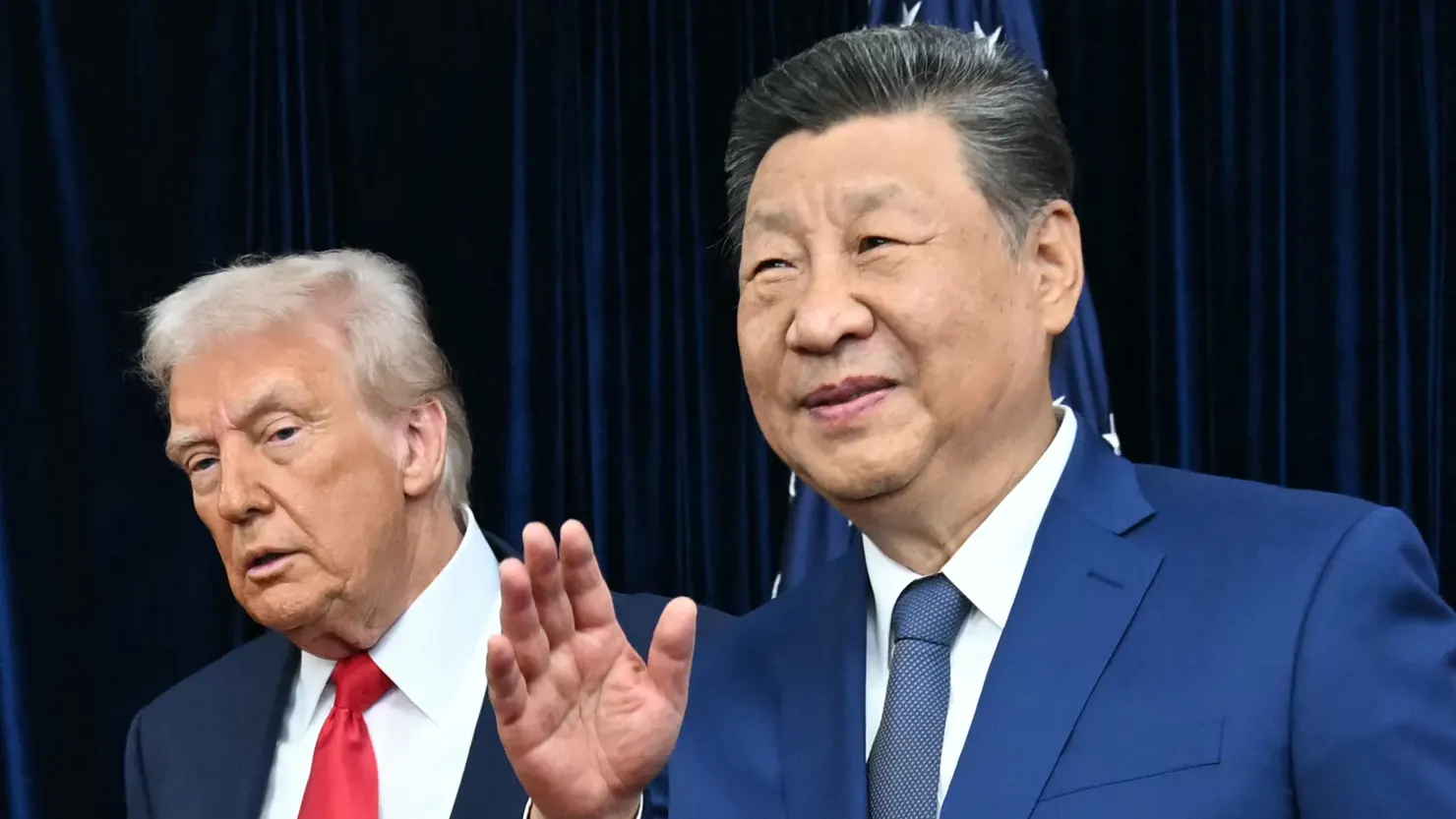

President Donald Trump’s recent threat to impose 25% tariffs on countries that trade with Iran has raised alarms among economists and trade experts, who warn it could jeopardize the fragile trade agreement between the U.S. and China.
Announced on Monday night via Truth Social, Trump declared that the tariffs would take effect immediately, marking a sharp escalation in Washington’s approach toward countries doing business with Tehran. The move has the potential to trigger a new round of trade retaliation and disrupt diplomatic progress with China, Iran’s largest trading partner.
Background: The U.S.–China Interim Trade Deal
The U.S. and China had secured an interim trade deal in late October, signaling a temporary thaw in one of the world’s most important economic relationships.
Key Features of the Deal
- U.S. rolled back some of the punitive tariffs previously imposed on Chinese goods.
- China paused its sweeping controls on rare earth exports, a critical resource for technology manufacturing.
The deal was seen as a tentative step toward stabilizing global trade flows and easing tensions that had escalated under years of tariffs and counter-tariffs.
How Trump’s Tariff Threat Could Impact the Deal
Trade analysts warn that the new tariff announcement risks unraveling these gains.
Escalation Risk
The U.S. move could prompt a tit-for-tat response from China, a pattern that has played out in previous trade standoffs. Such escalation could include retaliatory tariffs or trade restrictions, further straining the bilateral relationship.
Impact on U.S. Exports
China is a major buyer of U.S. commodities, including soybeans. Any breakdown in the trade deal could directly hurt American farmers and exporters, potentially reversing months of negotiation progress.
China Responds
China has responded strongly to Trump’s threat. A spokesperson for the Chinese Embassy in the U.S. posted on X, stating that Beijing “firmly opposes any illicit unilateral sanctions and long-arm jurisdiction.” The statement also warned that China would take “all necessary measures” to defend its interests, signaling a possible escalation in trade and diplomatic tensions.
Legal Uncertainty Surrounding Trump’s Action
The U.S. Supreme Court could play a role in determining the legality of Trump’s tariff measures. A ruling expected on Wednesday may clarify whether the president has the authority to unilaterally impose such duties, adding another layer of uncertainty to the situation.
Why This Matters
The situation illustrates the delicate balance in global trade policy. Trump’s approach highlights the tension between enforcing national security measures and maintaining stable international trade relationships.
Global Implications
- A breakdown in the U.S.–China trade deal could disrupt global supply chains.
- Countries that trade with Iran may face difficult decisions about whether to comply with U.S. tariffs or risk penalties.
- Industries dependent on exports and imports between the U.S. and China could see increased costs and delays.
Domestic Implications
- U.S. farmers, particularly soybean exporters, may face declining demand from China.
- Businesses that rely on Chinese imports could see costs rise again if retaliatory measures are enacted.
Historical Context
The U.S. and China have a history of using trade leverage ahead of major diplomatic meetings. Trump’s tariff announcement follows a similar pattern, where economic pressure is applied to influence negotiations or policy outcomes.
Analysts note that while these moves can sometimes force concessions, they carry significant risks of miscalculation and unintended consequences.
What Could Happen Next
Experts predict several possible scenarios:
- China Retaliates: Beijing could impose tariffs on U.S. goods or restrict exports of critical materials.
- Diplomatic Negotiations Intensify: Both sides may return to the negotiating table to prevent economic damage.
- Legal Challenges in the U.S.: The Supreme Court ruling could limit the president’s ability to enforce these tariffs.
- Impact on Global Trade: Other nations may reconsider their trade relationships with both the U.S. and China to avoid collateral damage.
Takeaways
Trump’s 25% tariff threat on countries trading with Iran represents a high-stakes gamble with global consequences. While aimed at pressuring Iran, the action could easily backfire by destabilizing trade relations with China and disrupting U.S. exports.
As the world watches, the coming weeks will be critical for determining whether the tariff threat leads to escalation, negotiation, or legal intervention.

