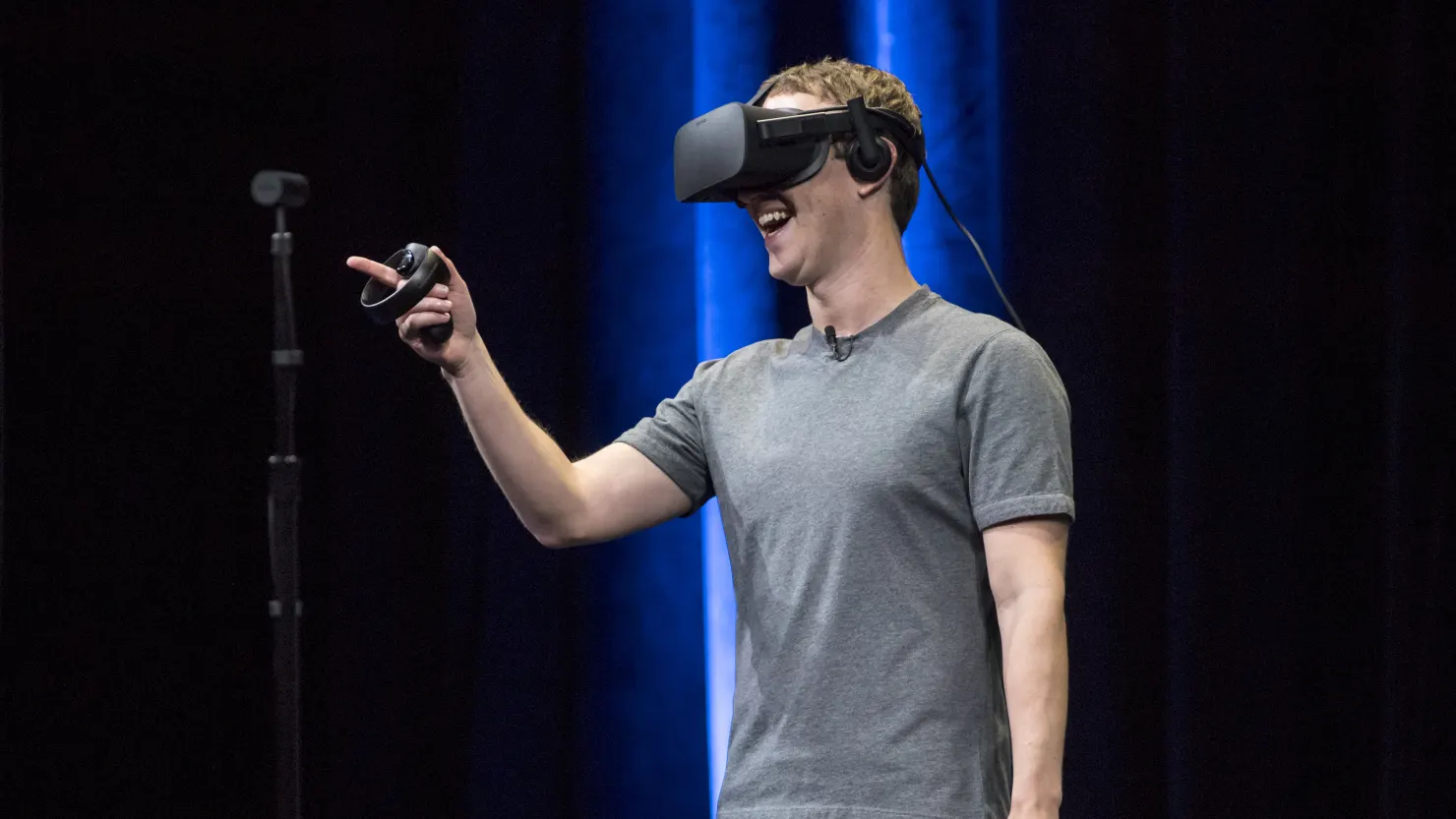
Meta Scales Back VR: Layoffs and Studio Closures Highlight Zuckerberg’s Shift to AI

Just over four years after Facebook rebranded as Meta to signal its ambitious vision for a virtual future, the company is dramatically scaling back its virtual reality efforts. The decision marks a significant pivot in CEO Mark Zuckerberg’s strategy, shifting focus from VR hardware and metaverse projects to artificial intelligence.
According to CNBC and sources familiar with the matter, Meta is laying off more than 1,000 employees—roughly 10% of its Reality Labs unit. The cuts affect teams developing VR hardware, including the Quest headset line, and the Horizon Worlds virtual social network. Several VR game studios under Meta are also being shut down.
What’s Happening in Reality Labs
Reality Labs, the division responsible for Meta’s VR and metaverse ambitions, has been the center of both innovation and mounting financial pressure.
Staff Reductions
The layoffs represent one of the largest cuts in Meta’s hardware-focused division since the company’s pivot to VR and metaverse products. While exact figures remain private, sources estimate more than 1,000 employees are affected, spanning engineering, content creation, and studio operations.
Studio Closures
Alongside the layoffs, Meta is shutting down several VR game studios that were developing titles for Horizon Worlds. These closures indicate a scaling back of the company’s content ambitions in VR, moving away from the immersive metaverse experience Zuckerberg once championed.
A Strategic Shift Toward AI
This move is part of a broader strategic pivot. Meta is increasingly investing in artificial intelligence, including AI-driven tools and content generation. Industry insiders suggest that resources previously devoted to VR hardware and virtual worlds are being reallocated to AI-focused projects.
Developer Recruitment
Meta is also actively recruiting developers from platforms like Roblox, which hosts virtual worlds and games popular with younger audiences, to build mobile experiences for Horizon Worlds. This reflects a shift from fully immersive VR experiences toward more accessible mobile applications and content.
What This Means for Meta
The VR layoffs and studio closures underscore a sobering reality: the metaverse dream is not meeting expectations in the near term.
Financial Reality
Meta invested billions in Reality Labs, producing VR hardware like Quest headsets and funding virtual social experiences. However, adoption rates have been slower than anticipated, and VR remains a niche segment compared with social media and AI-driven products.
Focus on Scalable Technology
By pivoting toward AI, Meta aims to compete in a sector that offers faster growth, broader market adoption, and more immediate revenue potential. AI is increasingly central to Meta’s vision for future products, from content generation to social media enhancements.
Leadership Response
Andrew Bosworth, Meta’s Chief Technology Officer, is expected to hold an all-hands meeting with Reality Labs employees to address the layoffs and provide clarity on the division’s future. The move reflects the company’s effort to maintain morale and transparency during the restructuring.
Implications for the VR and Gaming Community
The layoffs and closures will have ripple effects beyond Meta.
- VR Developers: Many engineers and content creators may transition to other gaming or AI-related companies, potentially accelerating innovation in competing platforms.
- Horizon Worlds Users: With fewer dedicated studios, new content for Horizon Worlds may slow, shifting the focus to mobile and AI-driven experiences.
- Gaming Industry: The move highlights the challenges of monetizing full VR experiences, signaling that companies may prioritize mobile-friendly or AI-enhanced virtual content over immersive hardware-driven worlds.
The Bigger Picture
Meta’s shift from VR to AI represents a significant recalibration of Zuckerberg’s vision for the future of social technology. The company is balancing ambitious technological experiments with the need to deliver scalable products and revenue growth.
While the metaverse remains a long-term goal, AI now represents the company’s immediate growth engine. Meta’s next challenge will be demonstrating that it can compete in AI while managing the fallout from its VR restructuring.
Final Thoughts
Meta’s VR layoffs and studio closures are a stark reminder that even billion-dollar visions face harsh economic realities. Zuckerberg’s pivot to AI signals a new era for the company—one that focuses on technologies with mass-market adoption and faster returns.
For employees, developers, and users, the message is clear: the metaverse may still exist in theory, but AI is where Meta sees the future today.