
Inside the $160 Million Nvidia Chip Smuggling Case That Shocked Washington and Beijing

How $160 Million Worth of Nvidia AI Chips Were Allegedly Smuggled Into China
A newly revealed federal case has pulled back the curtain on a sophisticated smuggling operation involving some of the world’s most powerful artificial intelligence chips. According to U.S. prosecutors, a China-linked network attempted to illegally move at least $160 million worth of export-controlled Nvidia chips into China, raising serious questions about enforcement, national security, and the global race for AI dominance.
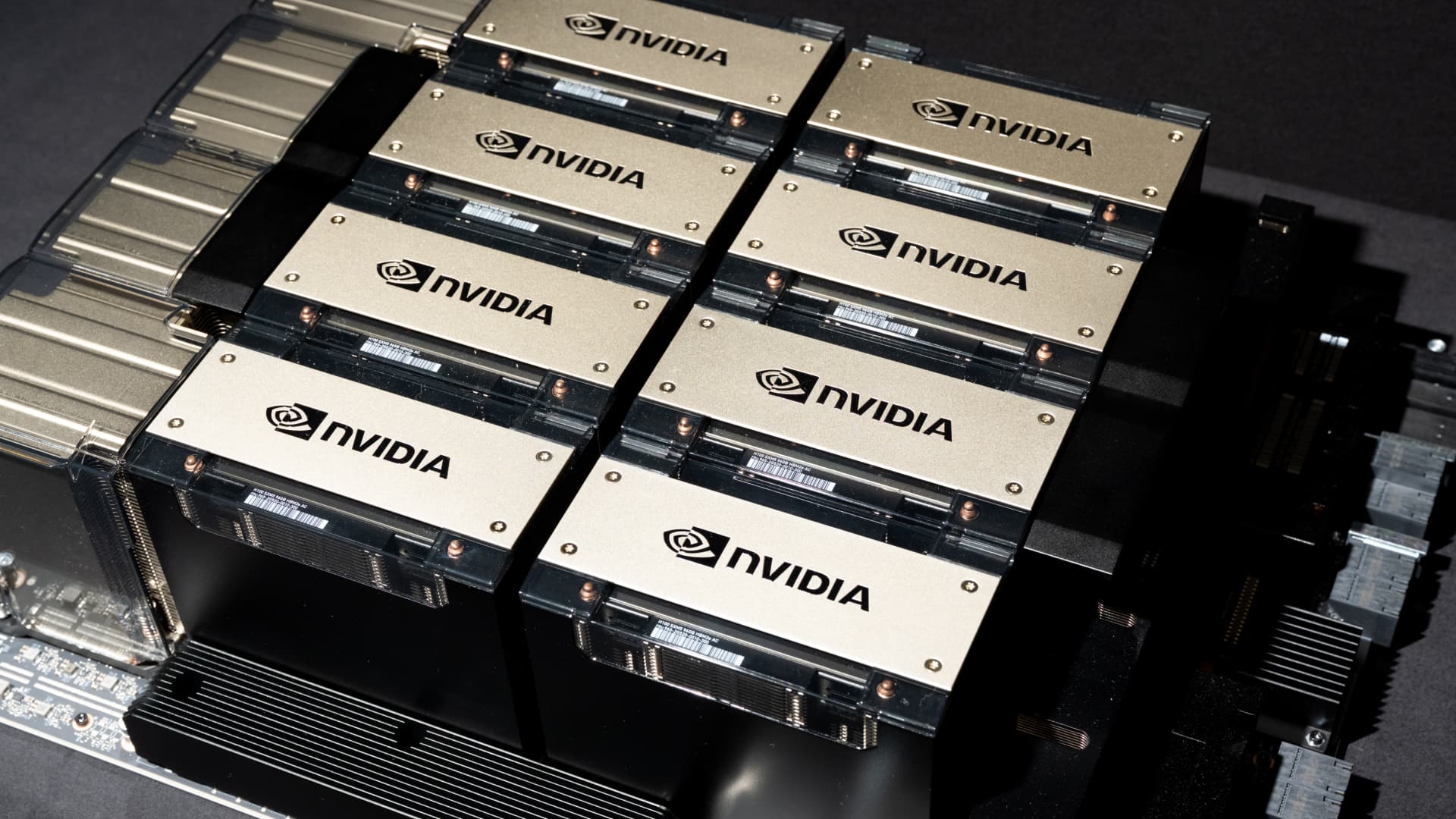
The case came to light on December 8, when federal prosecutors in Texas unsealed court documents detailing how authorities shut down the alleged operation. The chips at the center of the case were Nvidia’s H100 and H200 GPUs, processors designed to handle advanced AI workloads and tightly restricted under U.S. export rules.
What made the situation even more surprising was what happened next. On the same day the case was revealed, President Donald Trump announced that the U.S. would now allow Nvidia’s H200 GPUs to be exported to China, a move that added a dramatic twist to an already complex story.
Why Nvidia’s AI Chips Are So Valuable
To understand why these chips are worth smuggling, it helps to understand what they can do.
Nvidia’s H100 and H200 GPUs are among the most advanced processors ever made for artificial intelligence. They are used to train and run large AI models, power massive data centers, and support cutting-edge applications such as advanced robotics, scientific research, and large language models.
Because of their capabilities, these chips are in extremely high demand. They are also expensive, with individual units costing tens of thousands of dollars. When purchased in large quantities, shipments can quickly reach tens or even hundreds of millions of dollars in value.
For countries racing to lead in artificial intelligence, access to these chips can provide a significant competitive advantage.
U.S. Export Controls and Why They Exist
The United States has imposed strict export controls on advanced AI chips over concerns that they could be used to enhance military capabilities, surveillance systems, or other sensitive technologies.
Under these rules, companies like Nvidia are prohibited from selling certain high-performance chips directly to China without special approval. The goal is to limit China’s access to cutting-edge computing power while protecting U.S. national security interests.
As a result, Nvidia created modified versions of some chips with reduced performance to comply with export rules. However, demand for the most powerful versions has remained strong, creating incentives for illegal trade.
Inside the Alleged Smuggling Network
According to federal prosecutors, the smuggling network operated between October 2024 and May 2025. During that period, the group allegedly attempted to export at least $160 million worth of Nvidia H100 and H200 GPUs to China in violation of U.S. export laws.
The documents describe a complex operation involving intermediaries, shell companies, and misleading shipping information. Prosecutors allege that the network tried to disguise the true destination of the chips and bypass export restrictions designed to stop exactly this kind of transfer.
Authorities did not publicly disclose every detail of how the operation worked, but they emphasized that the scale of the attempted exports made the case particularly serious.
How Authorities Shut It Down
Federal investigators tracked the flow of the chips and identified irregularities that raised red flags. By following shipping records, financial transactions, and communications between parties, prosecutors say they were able to uncover the broader network behind the scheme.
Once enough evidence was gathered, authorities moved to shut down the operation and unseal the case, sending a clear warning to others who might consider attempting similar actions.
The case highlights the growing challenge U.S. officials face in enforcing export controls in a globalized tech market where chips can change hands multiple times before reaching their final destination.
The Trump Announcement That Changed the Narrative
On the same day the smuggling case became public, President Donald Trump made an unexpected announcement. He stated on social media that the U.S. would now allow Nvidia’s H200 GPUs to be exported to China.
This decision surprised many observers, especially given that the H200 was described as the most powerful chip seized in the smuggling case.
The timing raised immediate questions. If the chips are now allowed to be exported legally, what does that mean for enforcement efforts? And how does the policy shift affect ongoing cases tied to earlier export restrictions?
While the announcement does not retroactively legalize past actions, it adds complexity to the broader debate over how export controls should be applied in a rapidly evolving AI landscape.
Why This Case Matters Beyond Nvidia
This alleged smuggling operation is about more than one company or one shipment of chips. It reflects the intense global competition for AI supremacy.
Countries around the world are investing billions in artificial intelligence, and access to advanced hardware remains a critical bottleneck. When legal pathways are restricted, black-market alternatives can emerge.
The case also underscores the difficulty of controlling technology that is small in size but massive in strategic importance. Unlike traditional weapons or large industrial equipment, advanced chips are relatively easy to transport and conceal.
The Pressure on Chipmakers
For Nvidia and other semiconductor companies, this situation creates a delicate balancing act.
On one hand, chipmakers want to sell their products to as many customers as possible. On the other hand, they must comply with complex and changing export regulations that vary by country and administration.
The existence of smuggling networks also puts companies under scrutiny, even when they are not directly involved in illegal activity. Regulators expect manufacturers to implement strong compliance systems to prevent misuse of their products.
What This Means for the Future of AI Controls
The Nvidia smuggling case raises important questions about whether current export controls are effective in the long term.
As AI technology advances, demand for high-performance chips will only grow. Governments may need to rethink how restrictions are designed and enforced to avoid unintended consequences such as black markets and illicit supply chains.
At the same time, sudden policy shifts, like allowing previously restricted chips to be exported, can complicate enforcement and create uncertainty for both companies and regulators.
The Bigger Picture
At its core, this case highlights the tension between national security, economic interests, and technological progress.
Artificial intelligence is becoming one of the most important strategic technologies of the modern era. Chips like Nvidia’s H100 and H200 are not just commercial products; they are foundational tools that shape the future of innovation and power.
Whether through legal sales or alleged smuggling, the global demand for AI computing shows no signs of slowing down. How governments respond to that reality may determine who leads the next chapter of the AI revolution.

