
The Fed Just Quietly Cut Rates Again and Powell Dropped a Bombshell: Here’s What It Really Means

The Fed Makes a Big Move: What You Need to Know Now
The Federal Reserve surprised financial markets this week with another interest rate cut, nudging the economy in a new direction and sparking an immediate market rally. While the move might seem small on the surface, it signals a major shift in how the central bank plans to guide the economy in the coming months.
On Wednesday, the Fed lowered its benchmark overnight lending rate by a quarter percentage point, bringing the target range down to between 3.5 and 3.75 percent. This marks the third rate cut of the year. But the decision was anything but smooth.
The vote revealed a split inside the Federal Open Market Committee, the policymaking team that sets interest rates. Some members wanted to act aggressively to protect the weakening labor market, while others felt the Fed had already gone far enough and risked pushing inflation back up. That tension made this one of the most tightly debated decisions in recent memory.
Why the Rate Cut Happened
The Economic Crossroads
The central debate inside the Fed was clear: the economy is slowing, but inflation isn’t completely tamed. The job market, once incredibly strong, has shown signs of cooling, and that worries policymakers who fear rising unemployment if they don’t act soon enough. On the other hand, inflation remains above the Fed’s long-term target, and cutting rates too quickly could undo months of progress.
This creates a tricky balancing act. Some Fed officials believe cutting rates gradually is the right move to support a soft landing, where inflation comes down without a painful recession. Others are worried that easing too much could cause demand to pick back up and send prices rising again.
A Divided Vote Shows the Tension
The 9-3 vote tells the story. Chicago Fed President Austan Goolsbee and Kansas City Fed President Jeffrey Schmid both argued against any cut at all, preferring to hold the rate steady. Meanwhile, Governor Stephen Miran wanted the Fed to cut more aggressively with a half-point reduction. That kind of disagreement is rare and highlights how uncertain the economic outlook has become.
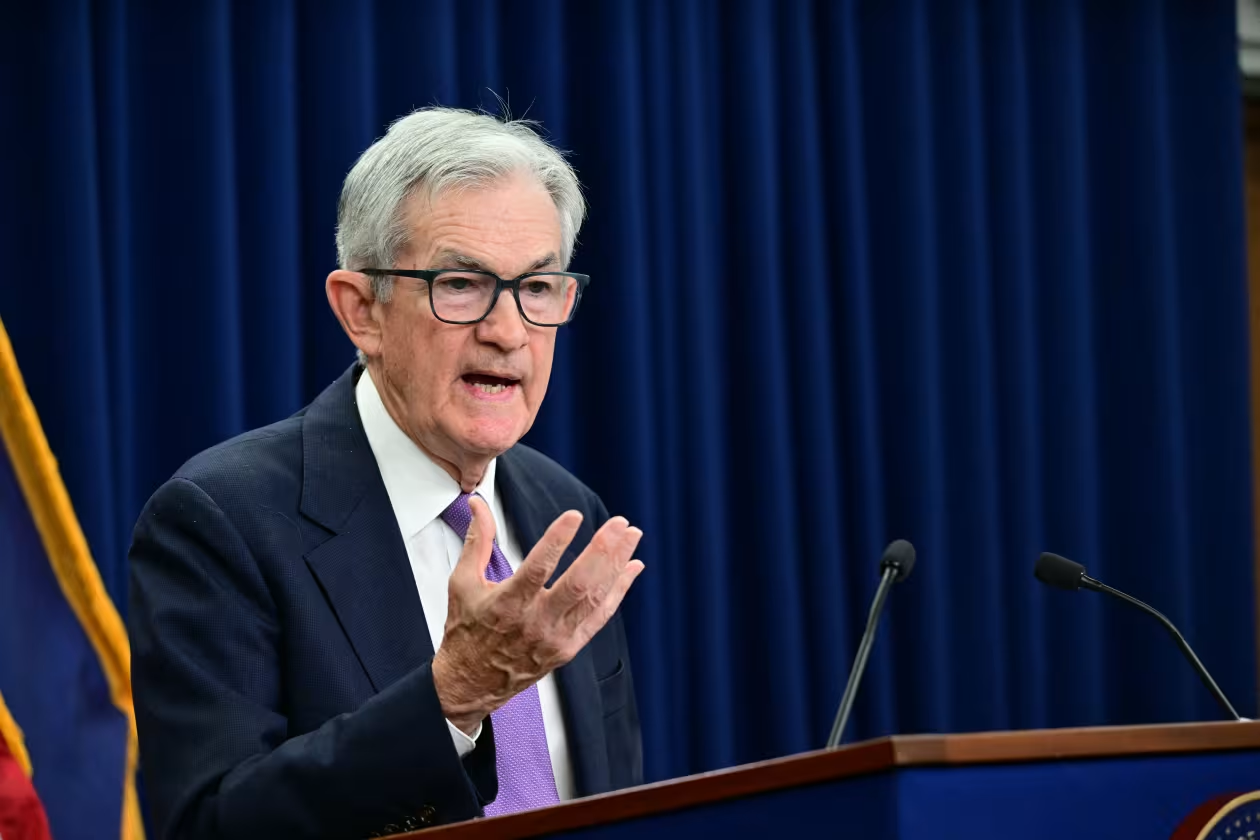
Fed Chair Jerome Powell acknowledged during his press conference that it was indeed a close call. His remarks suggested that the committee debated fiercely before reaching a decision, signaling that future rate moves may be equally contentious.
Powell’s Message: No Rate Hike Coming
Powell Closes the Door on Another Hike
One of the most notable moments came when Powell firmly stated that the Fed is not considering raising rates again. That single statement reassured investors and helped fuel a strong rally in stocks. Markets had been anxious for clarity, and Powell gave them exactly what they wanted: confirmation that the era of rate hikes is over.
By ruling out future increases, Powell effectively told Americans and investors that the worst of the inflation fight is behind us. Even though inflation still persists in some areas, the Fed believes it can handle the remaining challenges without resorting to tighter policy.
What This Means for Markets
Financial markets reacted instantly. Stocks jumped, Treasury yields dipped, and expectations for additional rate cuts later this year grew. Investors prefer a stable, predictable direction from the Fed, and Powell’s comments delivered that sense of certainty.
For everyday Americans, lower interest rates can eventually translate to slightly cheaper borrowing costs on mortgages, car loans, and credit card rates. Those changes don’t happen overnight, but this latest move nudges them in that direction.
Is This the Start of “Stealth Easing”?
Understanding the Fed’s New Approach
Some analysts are calling the latest move part of a “stealth easing” strategy. Instead of large, dramatic cuts, the Fed appears to be choosing smaller, quieter adjustments designed to support the economy without sending a strong signal that the situation is deteriorating.
By cutting rates gradually, the Fed can monitor changes more closely and avoid shocking markets. It also gives the committee flexibility to adjust its approach if inflation suddenly picks up or the job market shows unexpected resilience.
Balancing Jobs and Inflation
The main goal behind this softer approach is to balance two competing risks: rising unemployment and stubborn inflation. The Fed’s mandate requires it to aim for both maximum employment and stable prices. Achieving both at once has been especially challenging since the pandemic, when supply chains, wages, and consumer spending all shifted dramatically.
This latest cut suggests the Fed is leaning slightly more toward supporting the job market. The committee doesn’t want to wait until layoffs mount before responding. Instead, it is trying to prevent weakness before it deepens.
What Comes Next for Rates?
More Cuts Possible, But Not Guaranteed
While Powell didn’t commit to further easing, he also didn’t rule it out. That was enough for Wall Street to begin betting on at least one more rate cut this year. The Fed will continue to monitor inflation data, wage growth, job numbers, and consumer spending to decide what comes next.
If inflation continues to trend downward, the Fed may have enough breathing room to cut again. But if price pressures re-ignite, the central bank could pause and hold rates steady for longer.
A Sensitive Economic Moment
The United States is at a delicate stage in the economic cycle. Growth is slowing but not collapsing. Unemployment is rising but still manageable. Inflation is cooling but not fully under control. This makes every policy choice from the Fed especially important.
Investors, businesses, and consumers will all be watching closely as the Fed navigates this transition. The key question is whether the central bank can guide the economy into a softer, more stable period without tipping it into recession.
What It Means for You
Whether you follow financial markets daily or only occasionally, the Fed’s decision can affect several areas of your life. Lower rates can help reduce borrowing costs, support the stock market, and boost confidence among businesses and consumers. But too much easing could risk reigniting inflation, which keeps prices higher for longer.
For now, the Fed is trying to walk the tightrope carefully. Powell’s message was simple: the fight against inflation isn’t over, but the danger of over-tightening is now greater than the danger of doing too little.

