

A Sudden Twist in U.S. Policy
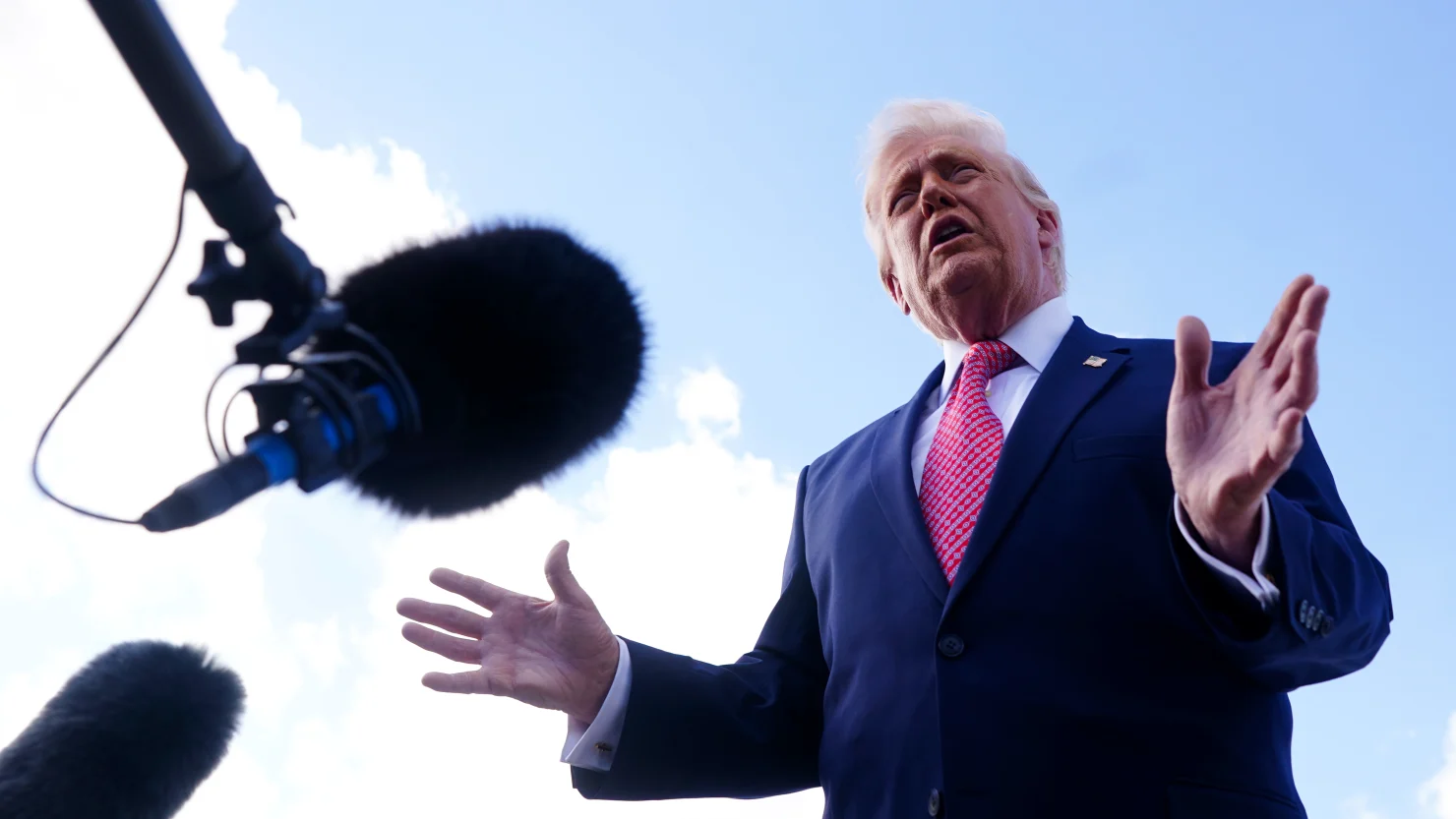
In a move that surprised analysts and policymakers alike, Donald Trump has reversed his stance on blocking oil shipments to Cuba. After months of strict pressure, Trump signaled that he has “no problem” with countries sending oil to the island—even as a sanctioned Russian tanker approached Cuban shores.
This unexpected shift comes at a critical moment, with Cuba facing a severe energy crisis that has pushed the country’s economy to the brink.
The Tanker That Changed Everything
At the center of this development is a Russian oil tanker linked to what is often called a “shadow fleet”—ships used to transport oil despite international sanctions.
The vessel, carrying a much-needed supply of crude, was seen nearing Cuba and expected to dock shortly. Its arrival could provide temporary relief to a country that has gone months without a steady flow of fuel.
What makes this moment significant is not just the shipment itself, but the fact that the United States chose not to intervene.
How Cuba Reached This Crisis Point
Oil Supply Cut Off
Cuba’s energy troubles didn’t happen overnight. The crisis is the result of a series of geopolitical decisions that cut off its main oil lifelines.
The U.S. had previously tightened restrictions on oil shipments to Cuba, targeting support from countries like Venezuela. After political changes involving Nicolas Maduro, Venezuelan oil exports to Cuba were halted.
At the same time, Trump warned that any country continuing to supply oil to Cuba could face heavy tariffs. This pressure worked—major suppliers, including Mexico, stepped back.
A Nation Running Low on Power
Daily Life Disrupted
Without regular oil imports, Cuba’s energy system has been pushed to its limits.
- Long and frequent blackouts have become common
- Fuel rationing has affected transportation and businesses
- Economic activity has slowed dramatically
For millions of people, daily life has become unpredictable and increasingly difficult.
The Human Cost of the Energy Crisis
The crisis goes beyond inconvenience—it has serious humanitarian consequences.
Healthcare Under Strain
Hospitals and medical facilities, already operating under tight conditions, have struggled with power shortages. This has raised concerns about patient care, especially for those with serious illnesses.
Doctors and officials have warned that vulnerable groups, including children and cancer patients, are facing increased risks due to inconsistent access to electricity and medical resources.
Why Did Trump Change His Mind?
A Shift from Pressure to Practicality
Trump’s earlier strategy focused on isolating Cuba economically to force political change. Blocking oil was a key part of that approach.
However, his recent comments suggest a shift in tone. By allowing oil shipments to proceed, he appears to be prioritizing immediate humanitarian needs over strict enforcement.
Possible Reasons Behind the Reversal
1. Growing Humanitarian Concerns
The worsening conditions in Cuba may have made it difficult to justify continuing a full blockade, especially as shortages began affecting basic services.
2. Global Political Tensions
With rising conflicts in other parts of the world, including tensions involving Iran, the U.S. may be trying to avoid opening another front of confrontation.
3. Strategic Flexibility
This move could also reflect a more flexible approach—allowing limited relief without fully abandoning broader sanctions.
Russia’s Role in the Situation
For Russia, sending oil to Cuba is both a practical and symbolic act.
It reinforces ties between the two nations and signals that Russia is willing to challenge U.S. influence, even in regions traditionally considered within America’s sphere.
The shipment also highlights how energy has become a powerful geopolitical tool, shaping alliances and global strategies.
What This Means for Cuba’s Future
Short-Term Relief
The arrival of the tanker will likely ease immediate pressure:
- Power generation could stabilize temporarily
- Fuel supplies may improve for essential services
- Some economic activity could resume
Long-Term Uncertainty
However, one shipment won’t solve Cuba’s deeper problems. The country still faces:
- Ongoing sanctions
- Limited access to global energy markets
- Structural economic challenges
A Broader Message to the World
This decision sends an important signal beyond Cuba.
Limits of Economic Pressure
It shows that even the strongest economic measures have limits—especially when humanitarian concerns come into play.
Energy as a Political Weapon
The situation also underscores how control over energy supply can influence global politics, from shaping alliances to triggering policy shifts.
What to Watch Next
The situation remains fluid, and several key developments could shape what happens next:
- Whether more oil shipments will be allowed
- If other countries resume supplying Cuba
- How U.S. policy evolves in the coming weeks
- The broader impact on U.S.-Russia relations
Final Thoughts
The decision by Donald Trump to allow a Russian oil tanker into Cuba marks a dramatic and unexpected shift in policy.
What began as a strict effort to isolate Cuba has, at least temporarily, softened under real-world pressures. For Cuba, this shipment offers a lifeline. For global observers, it’s a reminder that geopolitics is rarely fixed—and can change quickly when circumstances demand it.

