
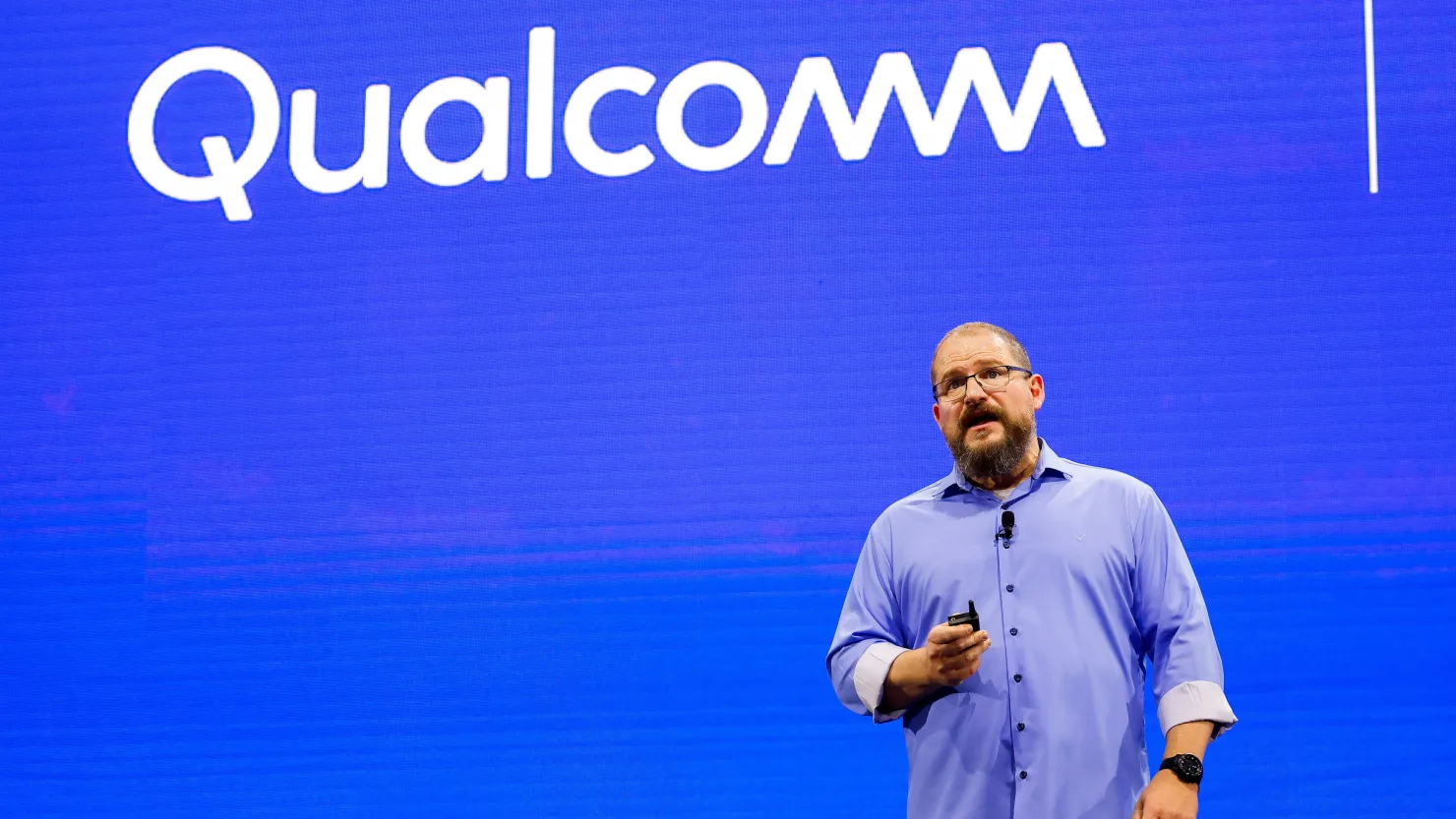

Qualcomm is setting its sights beyond smartphones and AI-driven PCs. CEO Cristiano Amon has said that robotics will become a “larger opportunity” for the company within the next two years, signaling a strategic expansion into a fast-evolving sector.
The statement reflects Qualcomm’s ambition to diversify its chip business and tap into emerging markets where connected, intelligent devices are becoming more common.
Dragonwing: Qualcomm’s Entry Into Robotics
In January, Qualcomm introduced a new processor under its Dragonwing brand, specifically designed for robotics applications.
The Dragonwing platform aims to power a range of robotic systems by offering:
- High-performance processing
- On-device AI capabilities
- Low power consumption
- Advanced connectivity
By leveraging its expertise in mobile chips and edge computing, Qualcomm is positioning itself to supply processors for industrial robots, service robots, autonomous systems and smart machines.
The company believes robotics could become a meaningful revenue driver as automation spreads across industries.
Why Robotics Is Becoming a Hot Sector
Robotics is increasingly intersecting with artificial intelligence, computer vision and edge computing — areas where chipmakers see strong growth potential.
Robots today are not just factory machines. They include:
- Warehouse automation systems
- Delivery robots
- Healthcare assistants
- Agricultural machines
- Consumer-facing service robots
As these systems become smarter and more autonomous, they require powerful yet efficient processors, creating demand for specialized semiconductor solutions.
Competition From Nvidia and Others
Qualcomm is not alone in identifying robotics as a future growth engine.
Last year, Nvidia CEO Jensen Huang also described robotics as one of the company’s major potential sources of growth. Nvidia has been investing heavily in AI hardware and simulation platforms designed for robotics development.
The growing interest from major chipmakers highlights how robotics is emerging as a strategic battleground in the semiconductor industry.
Beyond Smartphones: Qualcomm’s Diversification Strategy
For years, Qualcomm has been best known for its dominance in smartphone processors. However, as the global smartphone market matures, the company has been expanding into new verticals such as:
- Automotive technology
- Internet of Things devices
- Edge AI computing
- Industrial applications
Robotics fits naturally into this broader diversification strategy.
By combining AI processing, 5G connectivity and edge computing capabilities, Qualcomm aims to build platforms that power intelligent machines operating independently in real-world environments.
What the Next Two Years Could Look Like
If Amon’s forecast proves accurate, robotics could evolve from a niche segment into a more significant contributor to Qualcomm’s business within the next 24 months.
The pace of adoption will likely depend on:
- Industrial automation trends
- Advances in AI software
- Cost reductions in hardware
- Global demand for smart systems
As robotics becomes more mainstream, chipmakers with strong AI and connectivity capabilities may gain a competitive edge.
Final Take
Cristiano Amon’s comments underline Qualcomm’s long-term vision of becoming a key player in intelligent edge computing. With the launch of its Dragonwing robotics processor and growing industry momentum, robotics could soon move from experimental opportunity to core business segment.
As competition intensifies, especially from companies like Nvidia, the next two years may prove crucial in shaping Qualcomm’s position in the rapidly expanding robotics ecosystem.

