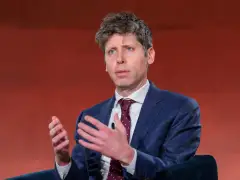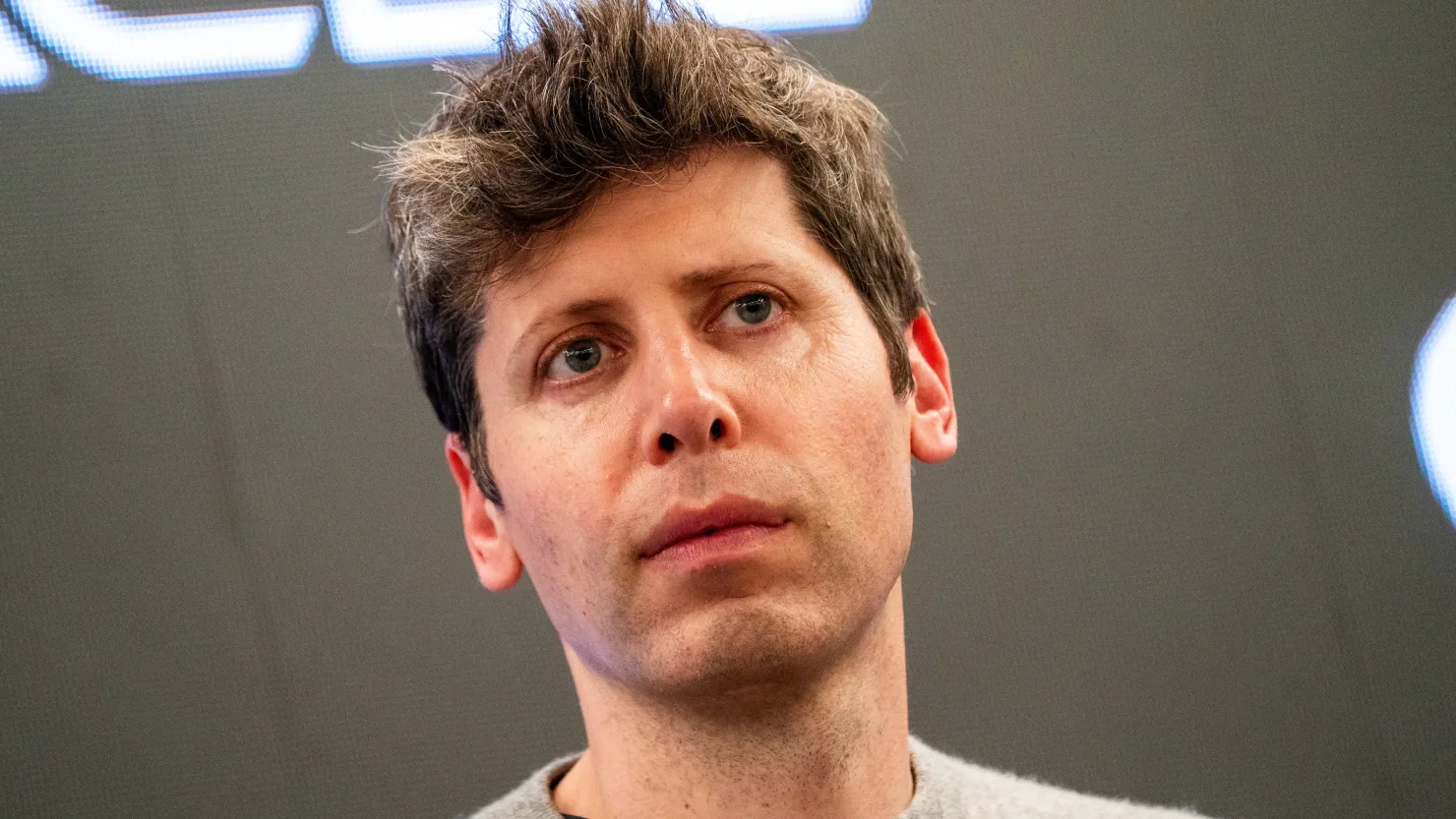

OpenAI CEO Sam Altman has acknowledged that the company moved too quickly in finalizing its recent agreement with the U.S. Department of Defense, admitting the deal “looked opportunistic and sloppy” amid growing public backlash.
Altman said the company is now revising the terms of the agreement to better reflect its core principles, particularly around surveillance and the use of AI tools by intelligence agencies.
The rare public admission signals that OpenAI is responding directly to concerns about how its technology may be deployed in military and defense contexts.
What Prompted the Backlash
The agreement between OpenAI and the U.S. Department of Defense came shortly after a federal ban on Anthropic’s AI tools in certain government contexts. The timing of the deal drew criticism, with some observers suggesting OpenAI appeared to move quickly to fill the gap.
Critics questioned whether the company’s AI systems could be used for surveillance or intelligence-gathering activities, potentially conflicting with its previously stated safety and ethical commitments.
Altman addressed these concerns publicly, stating that OpenAI should not have rushed the deal and that clearer communication was needed from the outset.
OpenAI to Revise Contract Terms
In a post on X, Altman shared what he described as a repost of an internal memo outlining changes to the agreement.
According to his statement, OpenAI will amend the contract to include more explicit language around:
- Surveillance-related use cases
- Restrictions on intelligence agency applications
- Alignment with OpenAI’s safety principles
The company clarified that its tools would not be used by intelligence agencies, among other adjustments.
These revisions appear aimed at reinforcing OpenAI’s stance that its AI technologies should not be deployed for harmful or unethical purposes.
Balancing Commercial Growth and Ethical Guardrails
The controversy highlights a broader tension facing AI companies: balancing government and enterprise partnerships with ethical commitments and public trust.
Defense and government contracts can represent significant opportunities for AI firms. However, such agreements also raise sensitive questions around:
- Military applications of AI
- Surveillance capabilities
- Data privacy and civil liberties
- Long-term societal impact
Altman’s public acknowledgment suggests OpenAI is attempting to manage both reputational risk and internal concerns about how its technology is used.
The Bigger Picture for AI and Government Collaboration
As artificial intelligence becomes more central to national security and defense strategies, partnerships between AI companies and government agencies are likely to increase.
However, these collaborations are increasingly scrutinized by:
- Employees
- Policymakers
- Civil society groups
- The broader public
Companies in the AI space face mounting pressure to define clear boundaries around acceptable use, particularly when it comes to surveillance and intelligence work.
By revising its agreement and publicly addressing the issue, OpenAI appears to be signaling that it is willing to recalibrate when public concerns arise.
What This Means Going Forward
Altman’s statement that OpenAI “shouldn’t have rushed” the deal suggests the company may adopt a more cautious approach in future government agreements.
Key takeaways from the episode include:
- The importance of transparency in high-stakes AI contracts
- The growing sensitivity around military and intelligence applications
- The reputational risks of perceived opportunism
- The need for clearer guardrails in AI deployment
As AI technology continues to evolve, scrutiny around how and where it is used will likely intensify.
For OpenAI, the challenge will be maintaining innovation and growth while ensuring that its partnerships align with its publicly stated principles.