
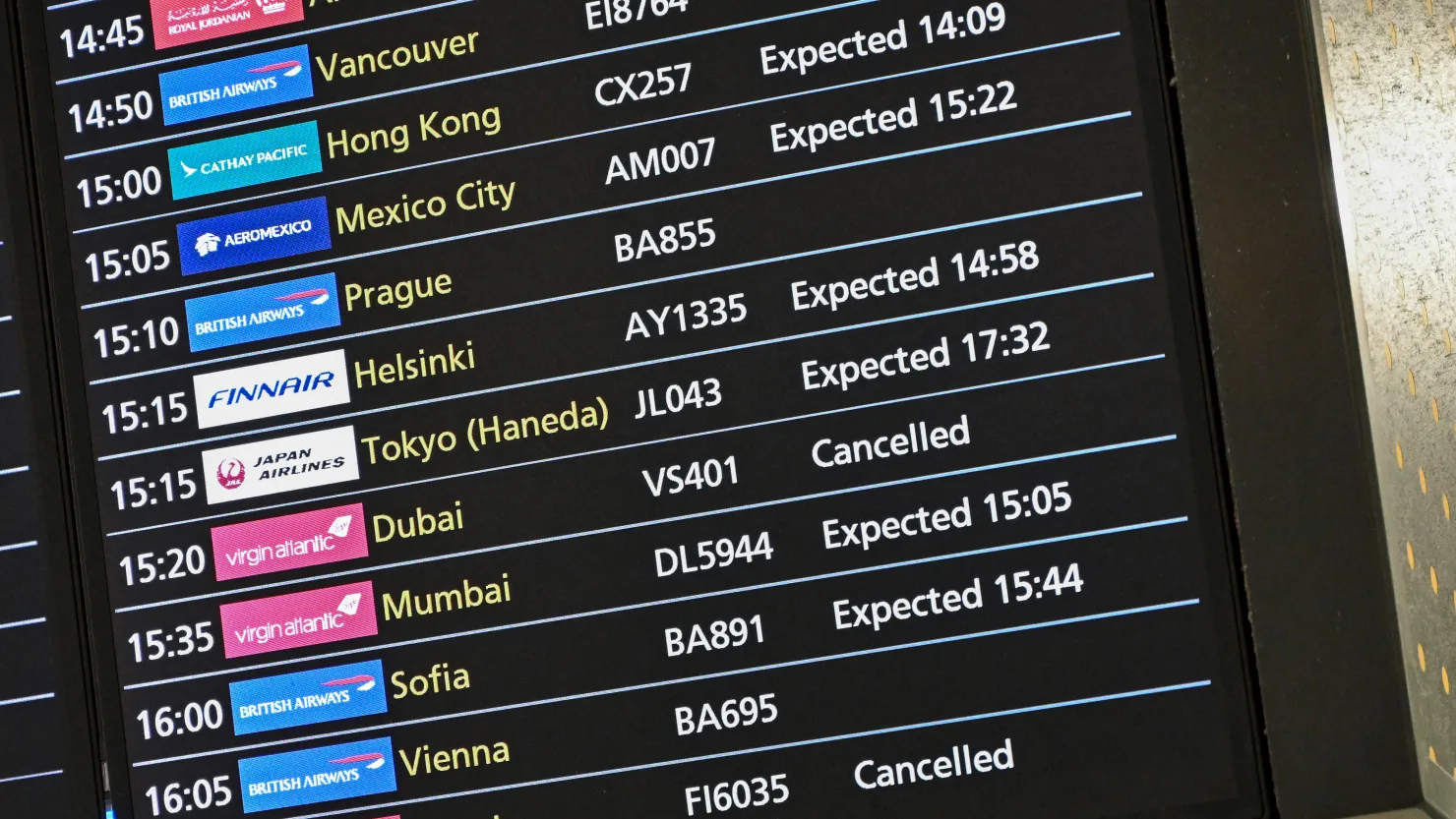

Asian airline stocks fell sharply on Monday as rising oil prices and airspace disruptions in the Middle East rattled travel markets. At the same time, energy and defense shares moved higher, tracking the surge in crude prices.
The market reaction came after intensifying conflict between the U.S., Israel and Iran, which has fueled fears of prolonged instability and supply disruptions in global energy markets.
Airlines Lead Regional Losses
Travel-related stocks were among the worst performers across Asia.
Shares of Singapore Airlines dropped more than 6%, leading sector losses. Japan’s All Nippon Airways and Japan Airlines each fell over 4%.
In Hong Kong, Cathay Pacific slipped 3.63%. Australia’s Qantas and Taiwan’s EVA Air also declined more than 4%.
Why Airline Stocks Are Falling
Airlines are particularly sensitive to oil price movements because fuel represents a major portion of operating costs. When crude prices surge suddenly, profit margins come under pressure.
Beyond fuel costs, airlines are also facing:
- Airspace closures in parts of the Middle East
- Flight rerouting, leading to longer travel times and higher costs
- Uncertainty around passenger demand
The combination of operational disruptions and rising expenses triggered broad selling across the sector.
Energy and Defense Stocks Gain
While airlines struggled, energy companies saw gains as crude prices jumped.
Oil futures surged after reports of intensified military action and the death of Iran’s Supreme Leader Ali Khamenei. The escalation between Iran and U.S.-backed Israeli forces has raised concerns about supply disruptions in the region.
Higher oil prices typically benefit producers and energy exploration companies, as their revenue potential increases with rising crude benchmarks.
Defense stocks also saw interest from investors, reflecting expectations of increased military spending and geopolitical risk.
Investors Move Toward Safe Havens
The broader risk-off mood extended beyond Asia.
U.S. stock futures declined as investors sought safer assets amid escalating tensions. In times of geopolitical uncertainty, market participants often shift capital toward traditional safe-haven assets such as gold, government bonds and the U.S. dollar.
The volatility highlights how closely global markets are tied to developments in the Middle East, particularly when energy supply routes are at risk.
Oil at the Center of Market Volatility
Crude oil prices have been the key driver behind the market reaction. As tensions rise, traders are factoring in the possibility of prolonged conflict that could disrupt exports from major oil-producing nations.
Asia, which imports a significant share of its energy needs, is especially vulnerable to oil price spikes. Higher energy costs can weigh on corporate earnings, inflation and overall economic growth.
For airlines, the double blow of operational disruptions and rising jet fuel prices creates immediate headwinds.
What Comes Next?
Markets are likely to remain volatile as the geopolitical situation unfolds. Much depends on whether the conflict remains contained or escalates further, potentially affecting oil transit routes and regional stability.
For now, the contrast is clear: travel stocks are under pressure, while energy and defense sectors are benefiting from rising crude prices.
Investors will continue watching developments closely, with oil markets and Middle East headlines likely to dictate near-term direction across global equities.

