
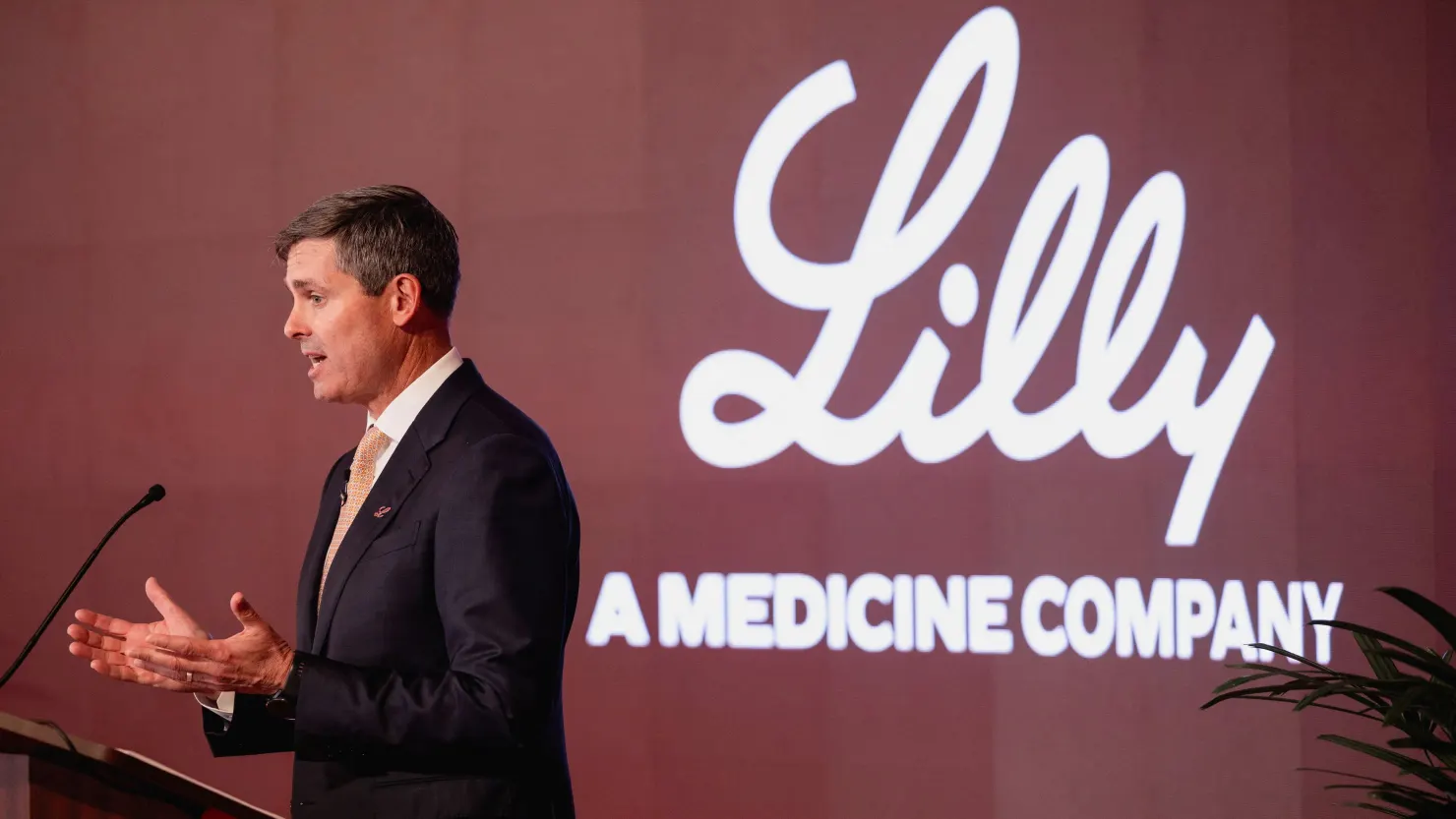

Eli Lilly is doubling down on its push to dominate the fast-growing obesity drug market. The pharmaceutical giant announced plans to invest more than $3.5 billion to build a new manufacturing facility in Pennsylvania’s Lehigh Valley, aimed at producing its next generation of obesity treatments.
The new plant will support the production of advanced injectable medicines, including retatrutide, an experimental obesity drug that has drawn global attention for delivering the highest weight loss results seen so far in a late-stage clinical trial.
This investment marks another major step in Eli Lilly’s broader strategy to expand manufacturing capacity in the United States and meet surging demand for weight-loss and metabolic drugs.
Why This New Plant Matters
Obesity drugs have become one of the most competitive and lucrative areas in the pharmaceutical industry. With demand far exceeding supply for many treatments, manufacturers are racing to expand production.
Meeting Exploding Demand for Obesity Treatments
Eli Lilly’s existing weight-loss and diabetes drugs have already seen overwhelming demand, often leading to supply constraints. By building new facilities in the U.S., the company aims to secure long-term production capacity and reduce dependence on overseas manufacturing.
The Pennsylvania plant is expected to play a key role in ensuring steady supply as new obesity treatments reach the market.
Focus on Retatrutide and Next-Generation Drugs
A major highlight of the announcement is the role the new facility will play in manufacturing retatrutide.
What Is Retatrutide?
Retatrutide is an experimental injectable drug designed to treat obesity and metabolic disorders. In late-stage clinical trials, it has demonstrated the highest level of weight loss ever recorded for a treatment in this category.
The drug works by targeting multiple hormonal pathways related to appetite and metabolism, which may explain its strong performance compared to existing therapies.
While the drug is still under development, expectations are high that it could redefine obesity treatment if approved.
A Strategic Location in Pennsylvania’s Lehigh Valley
Eli Lilly selected Pennsylvania’s Lehigh Valley for the new manufacturing plant, a region known for its strong infrastructure, skilled workforce, and proximity to major U.S. markets.
Economic Impact on the Region
Large pharmaceutical manufacturing projects typically bring thousands of construction jobs and hundreds of permanent positions once operational. The investment is expected to boost the local economy and strengthen Pennsylvania’s position as a hub for advanced manufacturing.
State and local leaders have long worked to attract large-scale life sciences investments, and Lilly’s announcement represents a major win for the region.
Part of a Much Larger U.S. Investment Plan
The Pennsylvania facility is not a standalone project. It is the fourth manufacturing facility announced by Eli Lilly as part of a broader U.S. expansion strategy.
Billions Already Committed to U.S. Manufacturing
In February 2025, Eli Lilly said it would invest at least $27 billion to build new domestic manufacturing facilities. This added to more than $23 billion the company has already invested in the U.S. since 2020.
These investments reflect a long-term commitment to domestic production and supply chain resilience.
Why Eli Lilly Is Investing So Heavily in the U.S.
Several factors are driving Lilly’s aggressive investment strategy.
Supply Chain Security
Recent years have exposed vulnerabilities in global supply chains. By expanding manufacturing at home, Eli Lilly can reduce risks linked to international disruptions and ensure consistent drug availability.
Faster Scaling of New Drugs
Domestic plants allow quicker scale-up once new drugs receive regulatory approval. This is especially important in competitive markets like obesity treatment, where speed can determine market leadership.
Policy and Regulatory Environment
U.S. policymakers have encouraged domestic pharmaceutical manufacturing through incentives and public messaging. While Lilly has not tied its investment directly to government policy, the broader environment favors onshore production.
Comments From the White House Add to Speculation
The announcement also drew attention after comments from President Donald Trump.
Six Plants in the U.S.?
On Thursday, President Trump said Eli Lilly CEO Dave Ricks told him the company aims to build six manufacturing plants in the United States. While Lilly has not officially confirmed plans for six facilities, the statement suggests that further announcements could be on the way.
If true, it would represent one of the largest domestic manufacturing expansions by a pharmaceutical company in recent history.
The Obesity Drug Market Is Reshaping Big Pharma
The rapid rise of obesity treatments is changing how drugmakers allocate capital.
A Market Worth Hundreds of Billions
Analysts widely expect the obesity drug market to be worth hundreds of billions of dollars over the next decade. With millions of patients worldwide and long-term treatment potential, these drugs represent a steady and recurring revenue stream.
Eli Lilly and its rivals are investing heavily to secure their share of this market early.
Competition Is Heating Up
While Eli Lilly is moving aggressively, it is not alone.
Other major pharmaceutical companies are racing to develop next-generation obesity drugs and expand production capacity. The competition is no longer just about clinical results but also about who can manufacture at scale and deliver consistently.
Lilly’s manufacturing push suggests it wants to remove supply constraints before competitors catch up.
What Comes Next for Eli Lilly
Construction timelines for large pharmaceutical plants typically span several years. Once completed, the Pennsylvania facility will support both existing and future obesity drugs, including those still in development.
As Lilly continues to invest in new facilities, industry watchers will be closely tracking:
- Regulatory progress for retatrutide
- Additional manufacturing announcements
- Capacity expansion timelines
- The company’s ability to meet global demand
A Clear Signal of Long-Term Confidence
Eli Lilly’s $3.5 billion investment sends a strong signal about its confidence in the future of obesity treatments.
Rather than waiting for final approvals or market certainty, the company is committing capital now to ensure it is ready for large-scale demand.
If retatrutide and other next-generation drugs live up to expectations, this Pennsylvania plant could become one of the most important assets in Lilly’s global manufacturing network.

