
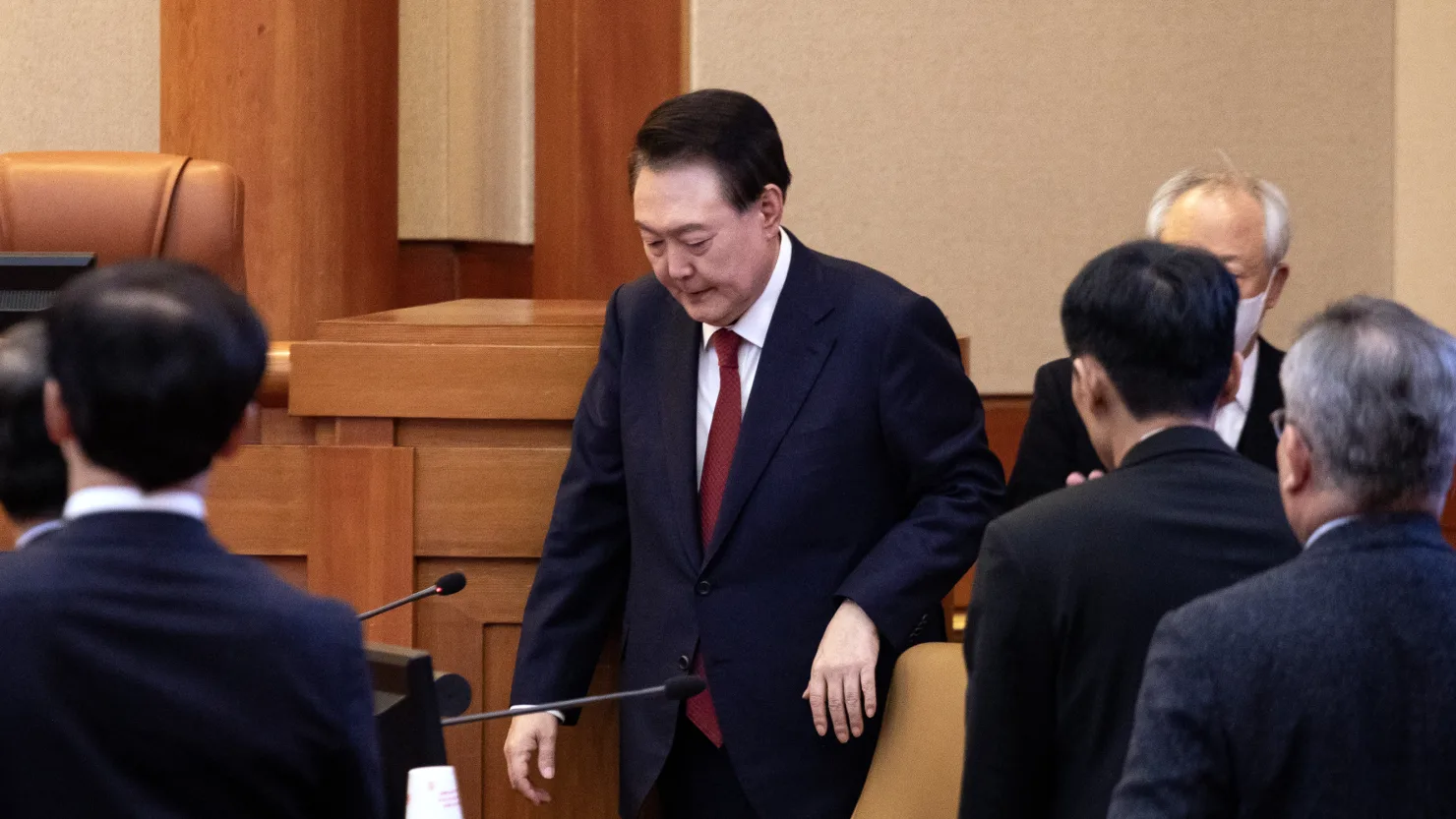
South Korea Seeks Death Penalty for Ex-President Yoon Over Failed Martial Law Bid

South Korea’s legal and political landscape is witnessing a historic and unprecedented moment as a special prosecutor has requested the death penalty for former President Yoon Suk Yeol. The charge stems from Yoon’s brief attempt to declare martial law in 2024, a move that was widely criticized and ultimately failed.
If the sentence is carried out, it would mark South Korea’s first execution in nearly 30 years, highlighting the gravity of the case and the legal precedent it may set.
Charges Against Former President Yoon
Yoon has been formally charged with leading an insurrection, a crime that is considered among the most serious under South Korean law. Notably, the charge of insurrection is not covered by presidential immunity, meaning that even former heads of state are fully accountable under the law.
The maximum penalty for this offense is the death penalty, reflecting the severity of attempting to undermine democratic governance.
The Trial and Verdict Timeline
The trial concluded late Tuesday, with prosecutors formally recommending the death penalty. The South Korean court is expected to deliver its final ruling on February 19, making this one of the most closely watched trials in recent South Korean history.
Legal experts have noted that the case will test the country’s judiciary, the limits of presidential immunity, and the boundaries of democratic accountability.
Historical Context
South Korea retains the death penalty in law, but the country has not carried out an execution since 1997. Amnesty International classifies South Korea as “abolitionist in practice,” meaning the death penalty exists but is effectively dormant in practice.
A potential execution in this case would mark a major shift in the country’s approach to capital punishment, potentially reigniting domestic and international debates about the use of the death penalty.
Political and Public Reactions
The case has stirred significant public and political attention. Analysts suggest the trial may influence public perception of governance, rule of law, and accountability in South Korea.
Human rights organizations, including Amnesty International, are likely to weigh in if the death penalty is imposed, emphasizing the country’s long-standing de facto moratorium on executions.
What This Means for South Korea
If the court upholds the death penalty, South Korea would see a dramatic shift in its justice system and set a historic precedent for holding former leaders criminally accountable for extreme actions while in office.
Even without execution, the trial underscores the strength of South Korea’s democratic institutions, showing that no individual, regardless of office held, is above the law.
Final Thoughts
The outcome of Yoon Suk Yeol’s trial will have profound implications for South Korea’s legal, political, and human rights landscape. With the court decision scheduled for February 19, the world will be watching how the country balances justice, accountability, and human rights in this landmark case.

