
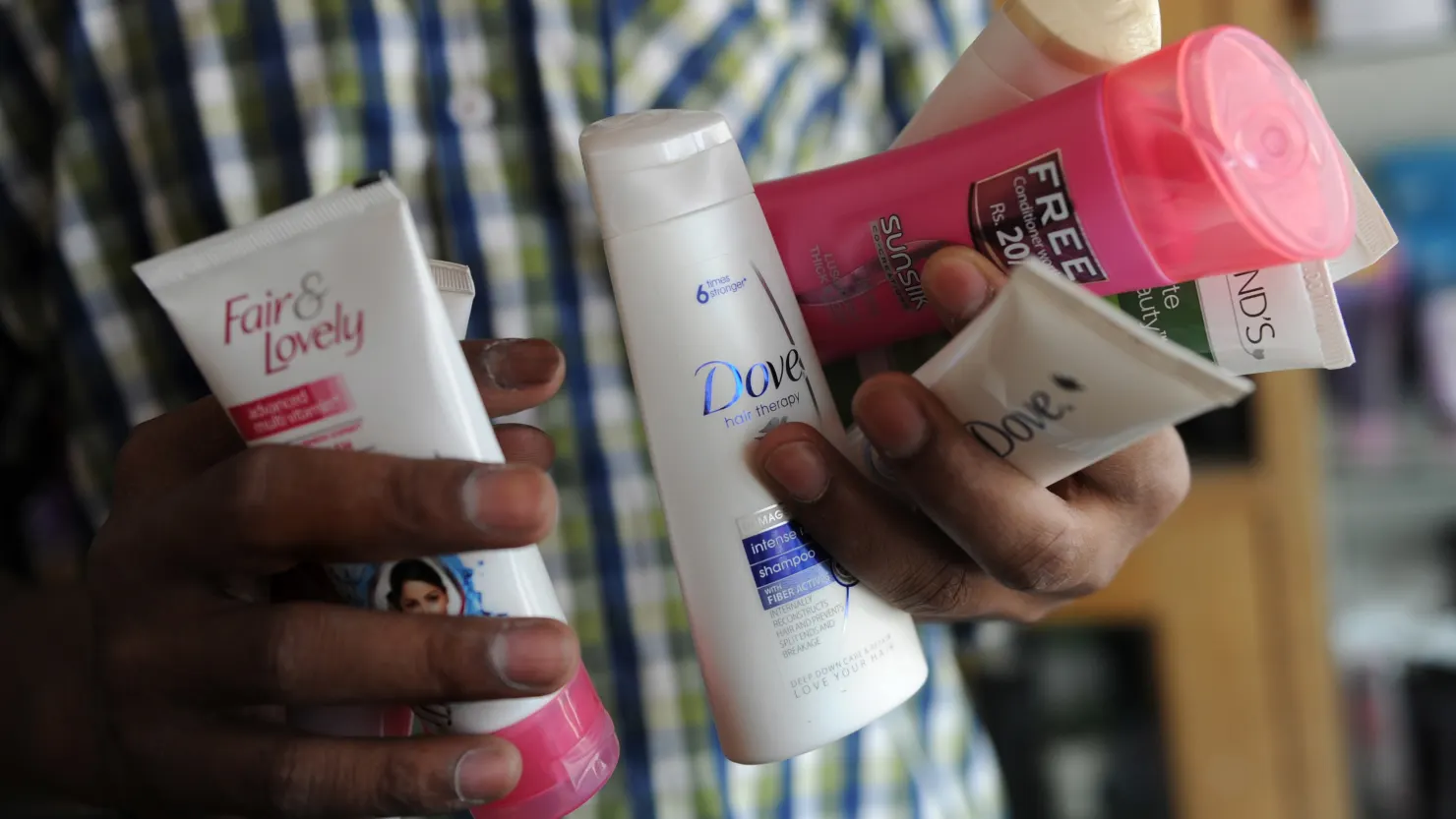

Unilever Merges Food Business With McCormick
Consumer goods giant Unilever is planning a $16 billion merger of its food business with spice maker McCormick, marking a major strategic shift in the sector. The move reflects broader challenges as consumer products companies adapt to changing markets and consumer habits.
Why the Industry Is Changing
The traditional growth model that fueled big consumer goods companies for decades is weakening. Post-pandemic price surges are fading, and expansion in key markets like China has slowed.
Experts suggest that size alone is no longer enough to guarantee success. Companies now need to focus on:
- Consumer relevance: Offering products that meet evolving tastes and lifestyles
- Investor confidence: Appealing to capital markets through innovation and strategic moves
Industry Insights
Consultancy Ernst & Young notes that relevance to consumers and investors will increasingly determine which companies thrive in the coming years. The merger is an example of how major players are reinventing themselves to stay competitive in a changing global market.
What This Means for Consumers and Markets
For consumers, the merger could mean enhanced product offerings and stronger global brands. For investors, it signals a shift toward strategic combinations rather than sheer scale as the driver of growth and profitability.
The Unilever-McCormick deal highlights how the consumer products sector is evolving, with relevance, innovation, and strategic partnerships at the forefront.

