
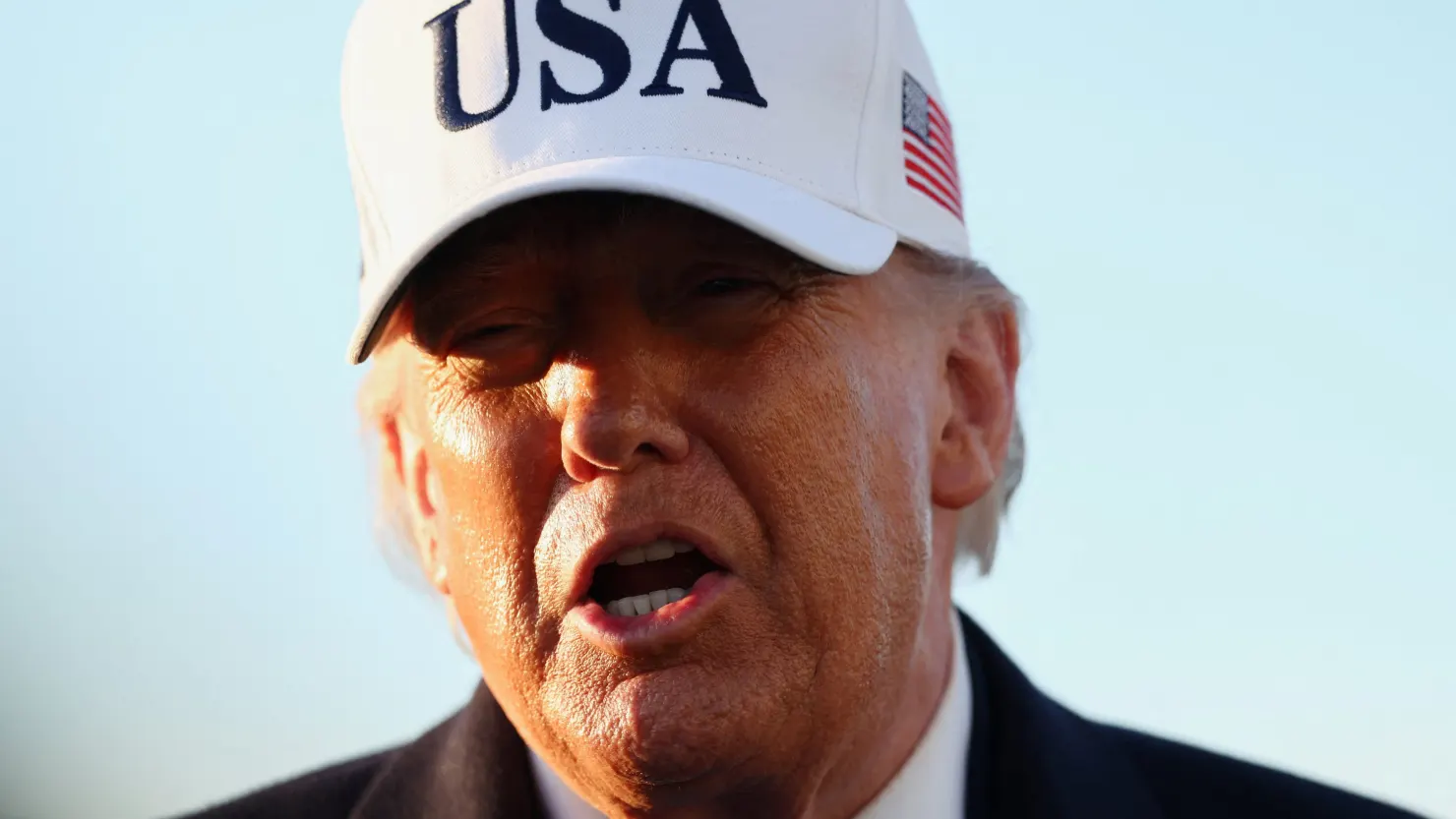

U.S. President Donald Trump has called on countries that depend heavily on Gulf oil shipments to help protect the Strait of Hormuz, one of the world’s most important energy shipping routes.
Speaking to reporters aboard Air Force One on Sunday, Trump said nations benefiting from the passage of oil through the strait should contribute more actively to securing it.
His remarks come as tensions in the region continue to disrupt maritime traffic and raise concerns about global energy supplies.
Why the Strait of Hormuz Is So Important
The Strait of Hormuz is a narrow but crucial waterway connecting the Persian Gulf to the Gulf of Oman and the Arabian Sea.
A large portion of the world’s oil shipments passes through this route every day. Countries in Asia, particularly China, Japan, South Korea, and India, rely heavily on oil transported through the strait.
Because of its strategic importance, any disruption to shipping in this area can have a major impact on global energy markets and oil prices.
Recent conflict in the region has already caused several ships traveling through the strait to suffer damage, increasing concerns among shipping companies and governments.
Trump Says Countries Should Protect Their Own Energy Routes
During his conversation with reporters, Trump argued that the responsibility of protecting the Strait of Hormuz should not fall solely on the United States.
He said countries that depend on the oil shipments moving through the region should help secure the route.
“I’m demanding that these countries come in and protect their own territory, because it is their territory,” Trump said.
He added that these nations rely on energy passing through the strait and therefore should play a role in defending it.
Trump also hinted that the United States would remember which countries step forward to assist and which ones do not.
Limited Global Response to U.S. Pressure
Despite Washington’s calls for international cooperation, many countries have shown little interest in sending naval forces to patrol the Strait of Hormuz.
Several governments appear reluctant to become directly involved in a potential military confrontation in the region.
Deploying warships could increase tensions and potentially draw countries deeper into the conflict.
As a result, the United States has largely been managing security operations in the region with limited international participation.
Shipping Disruptions Continue
The situation in the Strait of Hormuz has become more complicated since conflict in the region escalated last month.
Multiple commercial ships traveling through the narrow waterway have been damaged, raising safety concerns for shipping companies and insurers.
These incidents have slowed maritime traffic and forced some vessels to reconsider their routes.
The disruptions have also increased insurance costs for ships traveling through the region, adding to the pressure on global trade.
Global Energy Markets Watching Closely
Because so much of the world’s oil flows through the Strait of Hormuz, any instability in the area quickly attracts attention from energy markets.
Even minor disruptions can influence global oil prices, as traders anticipate possible supply shortages.
Countries that depend on imported oil are particularly sensitive to developments in the region.
If shipping disruptions worsen, energy prices could rise, affecting industries and consumers around the world.
Strategic Challenges in Protecting the Strait
Securing the Strait of Hormuz is not an easy task.
The waterway is extremely narrow in some areas, making ships vulnerable to attacks or accidents.
Military patrols, surveillance systems, and coordination between naval forces are often required to ensure safe passage for commercial vessels.
However, building a multinational security presence requires political agreement and military coordination among participating countries.
So far, such cooperation has been limited.
What Could Happen Next
The situation in the Strait of Hormuz remains uncertain as regional tensions continue.
If more countries respond to Trump’s call and deploy naval forces, it could lead to a stronger international effort to secure the waterway.
On the other hand, if global participation remains limited, the United States may continue bearing most of the responsibility for protecting the shipping route.
Meanwhile, shipping companies and global energy markets will continue closely monitoring developments in the region.
The stability of this narrow strait remains critical not only for oil-exporting nations but also for the global economy.

