

European stock markets started the final trading session of the week on a negative note as investors remained cautious about the ongoing conflict in the Middle East and its potential impact on global economic growth.
The pan-European Stoxx 600 index dropped about 0.5% by 9:30 a.m. in London. Most regional markets and sectors across Europe were trading in the red during early trading hours on Friday, reflecting a cautious mood among investors.
Rising oil prices and geopolitical uncertainty continue to influence market sentiment, with traders closely monitoring developments in the Middle East.
Oil Prices Above $100 Add Pressure to Global Markets
One of the key factors affecting investor sentiment is the continued rise in oil prices.
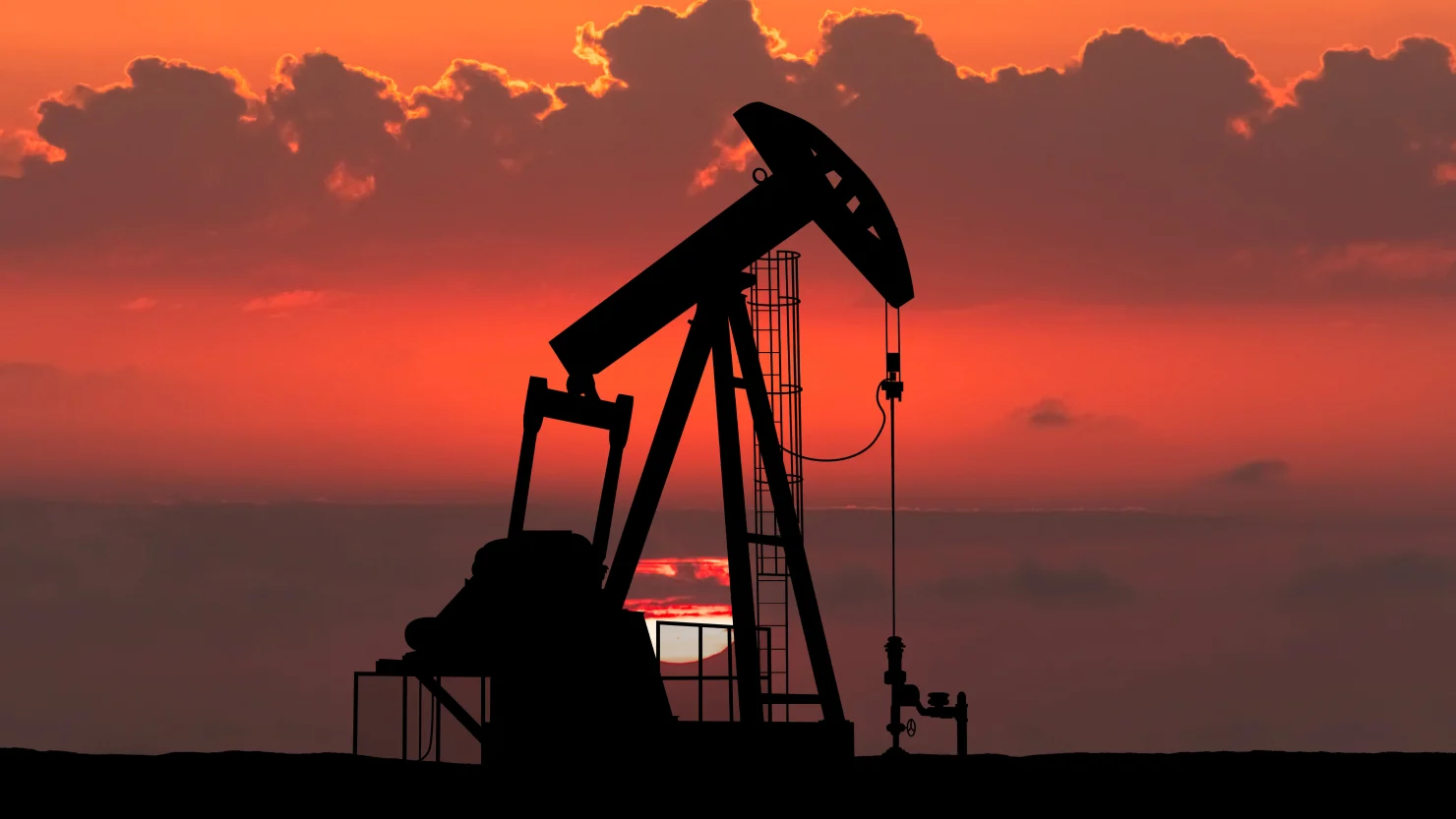
Crude oil prices have remained above $100 per barrel, raising concerns about higher inflation and potential pressure on global economic growth.
When oil prices stay elevated for a prolonged period, businesses and consumers often face increased costs for transportation, manufacturing, and energy. This can slow economic activity and reduce corporate profits.
As a result, investors tend to become more cautious, which often leads to declines in stock markets.
Banking Stocks Lead Market Declines
The banking sector was among the worst performers in early trading.
Shares of Deutsche Bank fell about 1.6% after the German lender disclosed a $30 billion exposure to the private credit market. The revelation sparked concerns among investors about potential risks in the current uncertain financial environment.
Following the decline in Deutsche Bank shares, the broader European banking sector also moved lower. The Stoxx 600 Banks index dropped around 1.1% during early trading.
Banks are often sensitive to geopolitical and economic uncertainty, which can affect lending activity, credit markets, and investor confidence.
Middle East Conflict Continues to Weigh on Investor Sentiment
Investors are also closely watching the ongoing conflict in the Middle East.
Geopolitical tensions in the region often create uncertainty in global financial markets. The Middle East plays a crucial role in the global energy supply, and any escalation in conflict can disrupt oil production or transportation routes.
Such disruptions can push oil prices higher and create volatility in stock markets worldwide.
Because of this, investors remain cautious and are closely monitoring any developments that could impact global trade and energy markets.
Semiconductor Stock Surges on Takeover Rumors
Despite the overall negative market sentiment, one company stood out with strong gains.
Shares of BE Semiconductor Industries jumped about 10% in early trading, reaching an all-time high. The surge came after rumors circulated about potential takeover interest in the company.
Although BE Semiconductor has not officially commented on the speculation, the news was enough to trigger strong buying interest from investors.
Takeover rumors often lead to sharp increases in stock prices because investors expect a potential acquisition to happen at a premium.
Mixed Performance Across European Sectors
While most sectors were trading lower, the market reaction varied across industries.
Energy companies often benefit when oil prices rise, while sectors that rely heavily on energy costs—such as manufacturing, airlines, and transportation—can face additional pressure.
Technology stocks, financial institutions, and consumer-focused companies were among the sectors experiencing declines during the early session.
Overall, the market mood remained cautious as investors balanced geopolitical risks with economic growth concerns.
Investors Await Further Global Developments
Global markets are currently navigating several major uncertainties at once.
These include geopolitical tensions, fluctuating energy prices, and concerns about economic growth in major economies.
For investors, developments in oil markets and the Middle East conflict will remain key factors influencing trading activity in the coming days.
If oil prices remain elevated or geopolitical tensions escalate further, markets could continue to experience volatility.
At the same time, any signs of stabilization in global energy markets or diplomatic progress could help improve investor confidence.
For now, European markets are ending the week on a cautious note as traders continue to assess the broader economic and geopolitical landscape.

