
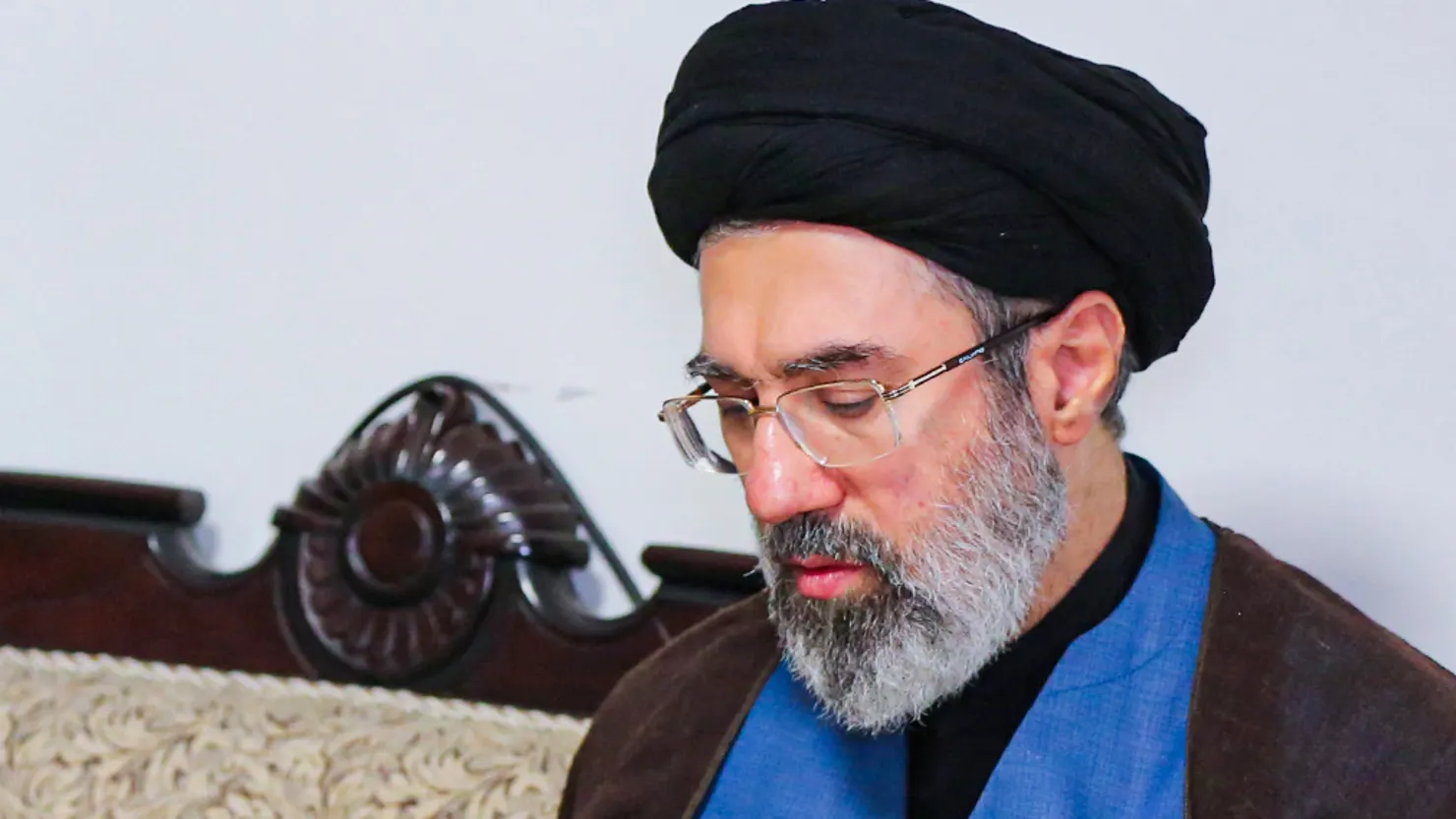
Who Is Mojtaba Khamenei? Five Key Things to Know About Iran’s New Supreme Leader

Iran has entered a new political era with the appointment of Mojtaba Khamenei as the country’s supreme leader. The 56-year-old cleric has taken over the position following the death of his father, Ayatollah Ali Khamenei, who led the country for nearly four decades.
The leadership change comes at a tense moment for Iran and the wider Middle East. The United States recently carried out strikes that killed the elder Khamenei, and Iran’s decision to close the Strait of Hormuz has already sent global oil prices soaring above $120 per barrel.
Mojtaba Khamenei’s appointment signals continuity in Iran’s leadership but also raises questions about how his rule may shape the country’s future. Here are five important things to know about Iran’s new supreme leader.
1. He Is the Son of Iran’s Longtime Supreme Leader
Mojtaba Khamenei is the second son of Ayatollah Ali Khamenei, who served as Iran’s supreme leader for almost 37 years.
During his father’s rule, Mojtaba remained largely behind the scenes but was widely believed to have significant influence inside Iran’s political and religious establishment. His close connection to the ruling elite helped him build strong relationships within powerful institutions such as the Revolutionary Guard and conservative clerical circles.
His appointment marks a rare case in modern Iranian politics where leadership effectively passes within the same family.
2. Known for His Hardline Conservative Views
Analysts often describe Mojtaba Khamenei as even more conservative and hardline than his father.
He is believed to strongly support Iran’s strict religious governance system and its confrontational stance toward Western countries. His views align closely with the most conservative factions within Iran’s political system.
Because of this, many observers expect his leadership to maintain — or even intensify — Iran’s resistance to Western pressure and sanctions.
His selection has already drawn criticism from international leaders, including U.S. President Donald Trump, who publicly expressed disappointment with the decision.
3. He Has Operated Behind the Scenes for Years
Unlike many public political figures, Mojtaba Khamenei spent most of his career away from the spotlight.
For years he worked quietly inside Iran’s political structure, often acting as an adviser and power broker within his father’s inner circle. Reports from analysts and diplomats have suggested that he played an influential role in decision-making even before becoming supreme leader.
This background means that while he may not be widely known outside Iran, he is far from inexperienced within the country’s power structure.
Many insiders believe he has been preparing for leadership for a long time.
4. His Appointment Signals Continuity in Iran’s System
Some observers initially expected a leadership struggle after the death of Ali Khamenei. However, the swift appointment of Mojtaba Khamenei suggests the Iranian establishment wanted to project stability and continuity.
Michael Herzog, a former Israeli ambassador to the United States, said the decision appears to be a message of defiance from Iran.
By choosing the son of the former leader, Iran’s ruling elites may be signaling that the country’s political system will remain largely unchanged despite external pressure.
Herzog suggested the move indicates continuity and warned that the new leader may take a tough stance toward countries seen as Iran’s adversaries.
5. He Takes Power During a Major Global Crisis
Mojtaba Khamenei’s rise to power comes at one of the most tense moments in recent Iranian history.
The U.S. strikes that killed his father have dramatically escalated tensions between Washington and Tehran. At the same time, Iran’s decision to close the Strait of Hormuz — one of the world’s most important oil shipping routes — has already shaken global energy markets.
The strait handles a large portion of the world’s oil exports, and any disruption there can quickly drive up prices. After Iran announced the closure, oil prices jumped above $120 per barrel, reaching their highest levels since 2022.
This means Mojtaba Khamenei is stepping into leadership during a period of intense geopolitical pressure.
What the Leadership Change Could Mean
The appointment of Mojtaba Khamenei is likely to have far-reaching consequences for Iran and the international community.
His leadership could shape Iran’s approach to several critical issues, including its nuclear program, regional conflicts in the Middle East, and its relationship with Western nations.
Given his reputation as a hardliner, some analysts believe tensions between Iran and the United States could increase under his leadership. Others argue that internal economic pressures might still push Iran toward negotiations in the future.
Either way, the leadership transition represents one of the most significant political developments in Iran in decades.
A New Chapter for Iran
For nearly four decades, Ali Khamenei was the central figure in Iran’s political system. His death marks the end of an era.
Now, Mojtaba Khamenei faces the challenge of leading a country of roughly 90 million people while navigating international pressure, economic challenges, and regional tensions.
Whether he continues his father’s policies or reshapes Iran’s strategy on the global stage will likely determine the country’s direction for years to come.

