
India’s $2 Billion AI Bet: How Yotta and Nvidia Are Powering the Country’s Race to Catch the U.S. and China

India is stepping firmly into the global artificial intelligence race — and this time, it’s not just talk. A major new project could change the country’s position in the AI world.
Yotta Data Services, an Indian data center company, is building a massive $2 billion artificial intelligence hub powered by Nvidia’s GPUs. At the same time, the company is preparing to go public, signaling confidence in India’s fast-growing AI ambitions.
The announcement comes at a crucial moment. While the United States and China have raced ahead in building powerful AI models and infrastructure, India has largely remained on the sidelines. But that gap may soon start to close.
India’s AI Moment Is Finally Arriving
For years, India has been known as a global IT powerhouse. From software services to engineering talent, the country has supplied much of the backbone for international tech firms. But when it comes to building large-scale, homegrown AI foundation models like those developed in the U.S. and China, India has been behind.
That’s beginning to change.
The demand for AI computing power in India is rising rapidly. According to Yotta Data Services, the need for graphic processing units (GPUs) — the specialized chips required to train and run AI models — is now exceeding supply in the country. This surge is being driven by Indian startups, enterprises, and government initiatives preparing to scale their own AI systems.
In simple terms: India suddenly needs more AI muscle than it currently has.
Yotta’s $2 Billion AI Hub: What We Know
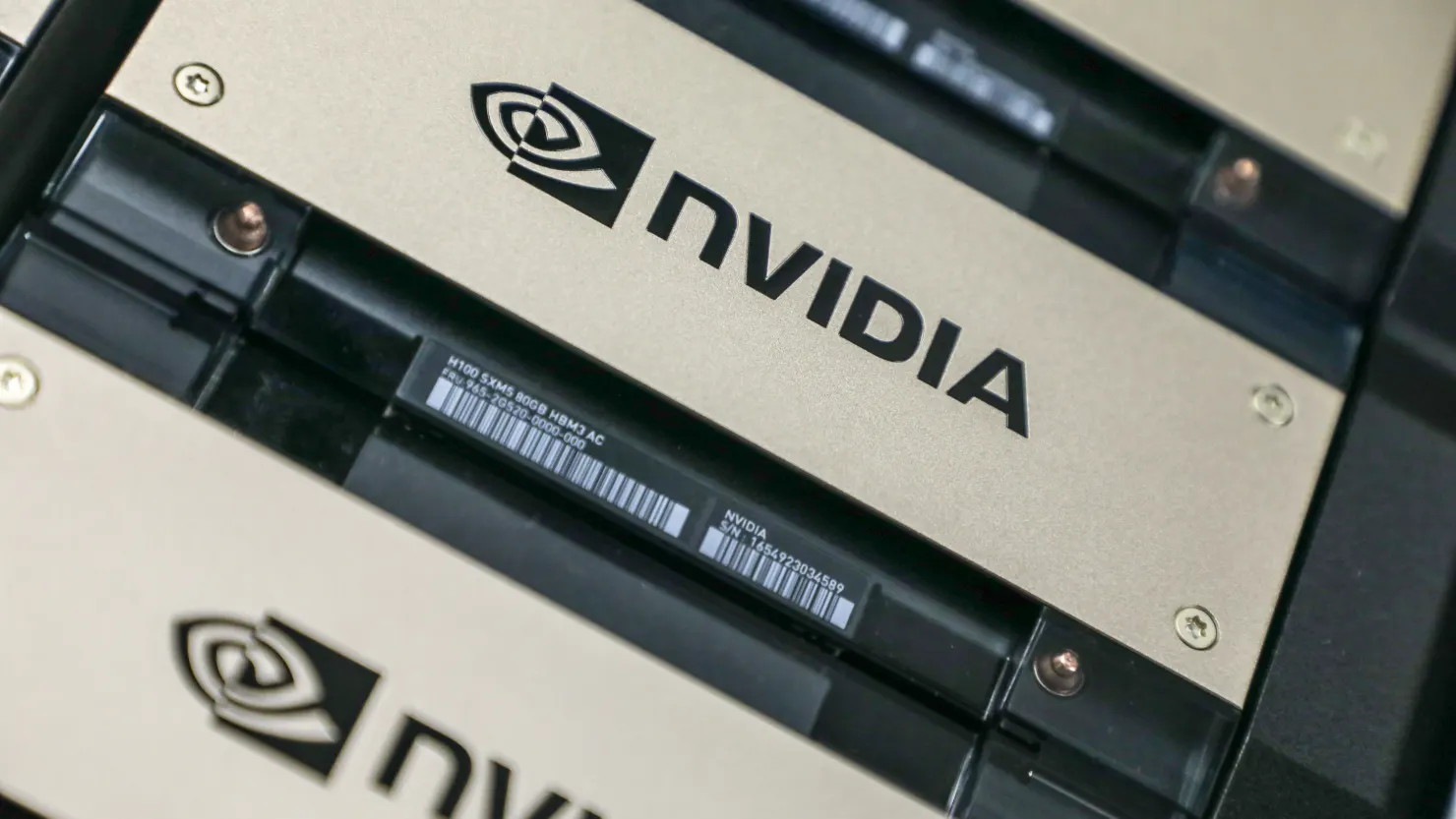
Yotta Data Services plans to invest $2 billion in building a large AI-focused data infrastructure powered by Nvidia’s chips. GPUs from Nvidia are currently considered the gold standard for AI training and inference, used globally by leading AI companies.
Why Nvidia’s GPUs Matter
AI models, especially large language models, require enormous computing power. Nvidia’s GPUs are designed to handle parallel processing tasks at massive scale, making them ideal for training complex AI systems.
By building an AI hub based on Nvidia’s hardware, Yotta is essentially creating the foundation needed for India to develop competitive AI models domestically rather than relying entirely on foreign infrastructure.
This move could:
- Reduce dependence on overseas data centers
- Accelerate development of Indian AI models
- Support startups and enterprises building AI tools
- Strengthen India’s digital sovereignty
GPU Demand in India Is Surging
One of the biggest signals of India’s AI shift is the supply-demand imbalance for GPUs.
Yotta says demand for these AI chips is outpacing availability. That’s significant because GPUs are the backbone of modern AI development. Without enough computing power, even the best AI ideas can’t scale.
Several factors are driving this spike:
Growing Domestic AI Startups
India’s startup ecosystem is increasingly focused on AI applications, from healthcare and fintech to education and government services.
Enterprise AI Adoption
Large Indian companies are integrating AI into operations, customer service, analytics, and automation.
Expanding User Base
India’s vast population — now over 1.4 billion people — represents a massive potential AI user base. As digital adoption deepens, demand for AI-powered tools grows alongside it.
The combination of these forces is creating pressure for more local AI infrastructure — exactly what Yotta aims to provide.
India AI Summit: Early Signs of Progress
Momentum is building beyond infrastructure.
At the recent India AI summit, several companies introduced early or limited versions of their AI models. One example is Indus, a chatbot launched by Sarvam AI.
These early models may not yet compete directly with the most advanced systems from the U.S. or China, but they represent an important first step: India is starting to build its own AI systems tailored to local languages, cultural context, and regional needs.
This matters because global AI models often struggle with India’s linguistic diversity. Developing local foundation models could improve performance across multiple Indian languages and make AI more accessible nationwide.
Why India Has Lagged — Until Now
Despite its strong tech workforce, India has historically lacked two key elements necessary for leading in AI:
1. Large-Scale Compute Infrastructure
Training advanced AI models requires massive data centers filled with high-performance GPUs. Until recently, much of this infrastructure was concentrated in the United States and China.
2. Investment in Foundation Models
Building a foundational AI model costs billions of dollars. Few Indian firms had the capital or risk appetite to make that investment — until now.
Yotta’s $2 billion commitment suggests that confidence in India’s AI future is rising.
Going Public: A Strategic Move
Yotta’s plan to go public adds another layer to this story.
An IPO could help the company raise additional capital to expand its AI infrastructure even further. It also signals that investors see long-term growth potential in India’s AI sector.
Public listing would give Yotta greater visibility and access to funding at a time when AI infrastructure is becoming a strategic asset globally.
The Bigger Picture: India’s Digital Sovereignty
Beyond business opportunity, this AI push has national implications.
Countries around the world are increasingly concerned about digital sovereignty — the ability to control and manage their own digital infrastructure and data. Relying entirely on foreign AI platforms can create economic and security risks.
By building domestic AI hubs powered by world-class GPUs, India strengthens its position in the global technology landscape. It allows local companies, researchers, and government agencies to innovate without depending solely on foreign providers.
Can India Catch Up to the U.S. and China?
The United States and China still dominate the AI landscape. American tech giants lead in foundational models and chip design, while China has invested heavily in state-backed AI research and infrastructure.
India is starting from behind — but it has several advantages:
- A massive engineering talent pool
- A huge domestic market
- Strong digital public infrastructure
- Rapid startup ecosystem growth
If infrastructure investments like Yotta’s continue and more companies launch competitive models, India could become a serious third force in global AI.
The key challenge will be speed. AI development moves quickly. Delays in infrastructure or chip supply could slow momentum.
What Comes Next?
Over the next few years, several factors will determine whether India’s AI bet pays off:
- How quickly the AI hub becomes operational
- Whether GPU supply constraints ease
- The performance of early Indian AI models
- Government support and policy clarity
- Investor appetite for AI infrastructure
If these pieces align, India could shift from being a consumer of global AI to a creator of it.
Final Thoughts
India’s $2 billion AI hub is more than just a data center project. It represents a turning point.
For years, India contributed talent to global AI development. Now, it is building the infrastructure to develop its own large-scale models at home.
Yotta Data Services’ partnership with Nvidia, combined with rising GPU demand and early AI model launches like Indus, signals that India is no longer content to watch from the sidelines.
The race is far from over. But for the first time, India appears ready to compete at scale.

