
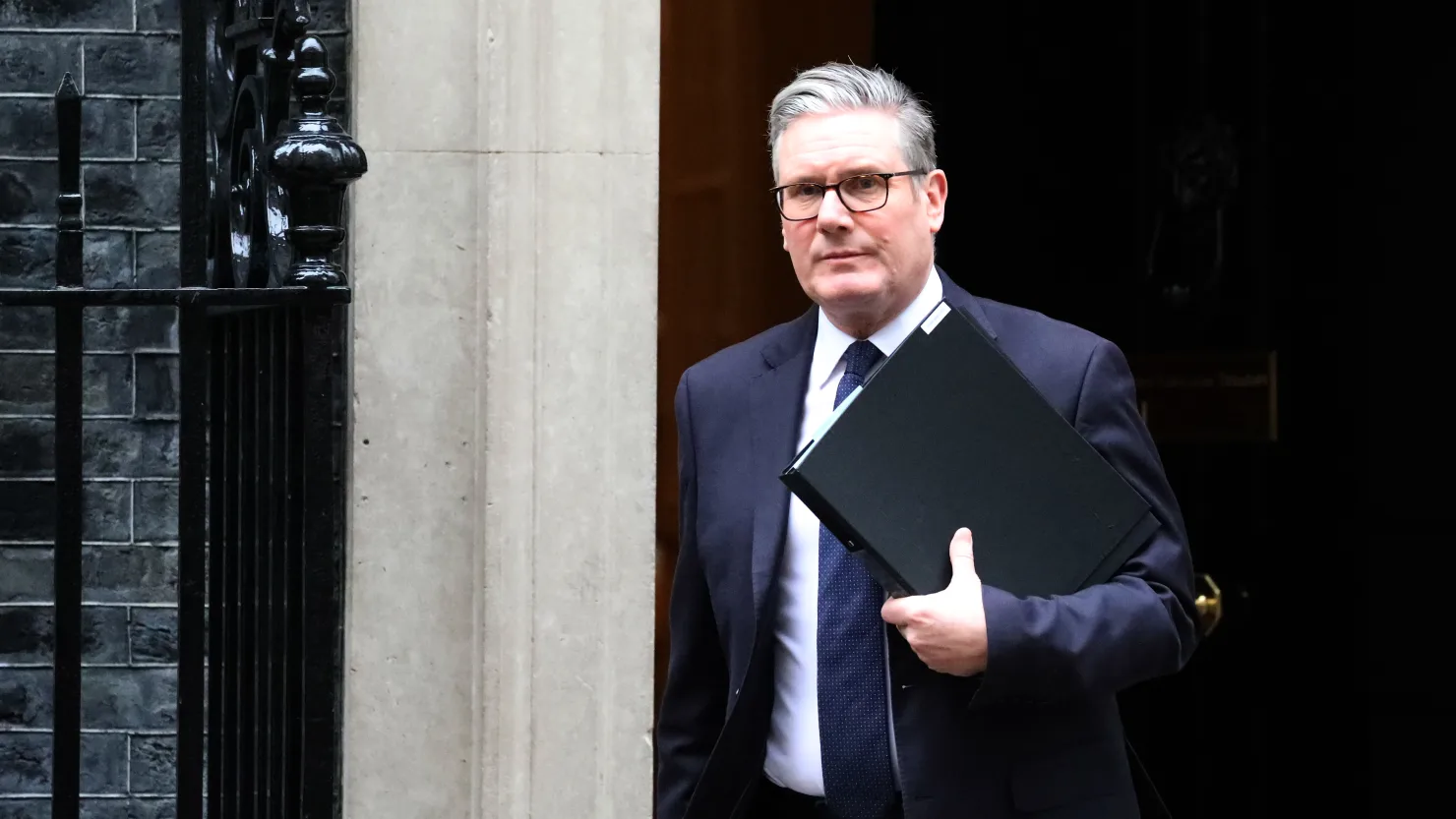

Borrowing costs in the United Kingdom moved higher on Thursday as renewed political pressure on Prime Minister Keir Starmer unsettled investors. UK government bond yields edged up after concerns grew around Starmer’s leadership, following scrutiny of his handling of issues linked to former UK ambassador to the United States, Peter Mandelson.
The rise in yields reflects growing market unease at a time when political stability is critical for the UK’s economic outlook. Investors are increasingly sensitive to governance risks, especially as the country continues to navigate slow growth, high public debt, and tight fiscal conditions.
What Triggered the Market Reaction
Scrutiny Over Peter Mandelson Links
The latest pressure on Prime Minister Starmer centers on questions surrounding Peter Mandelson, a former UK ambassador to the US, and his past links to disgraced financier Jeffrey Epstein. While Mandelson has previously addressed aspects of his association, renewed attention has put Starmer’s judgment and political handling under the spotlight.
Critics argue that Starmer has been slow or unclear in addressing concerns, creating uncertainty at a moment when his leadership credibility is being closely watched both domestically and internationally.
Political Pressure Spills Into Markets
Political controversies do not always move financial markets immediately, but this episode appears to have struck a nerve. As confidence in leadership wavered, investors demanded slightly higher returns to hold UK government debt, pushing bond yields upward.
Rising yields signal that markets are factoring in higher political risk, even if the immediate economic fundamentals remain unchanged.
UK Bond Yields Edge Higher
What Happened in the Bond Market
UK government bond yields, also known as gilt yields, rose modestly on Thursday morning. While the increase was not dramatic, it was notable given the sensitivity of bond markets to political signals.
Bond yields move inversely to prices, meaning that as investors sell bonds or demand higher compensation for risk, yields rise. In this case, the uptick suggested caution rather than panic, but it underscored fragile market confidence.
Why Bond Yields Matter
Higher borrowing costs affect the government directly by increasing the expense of servicing public debt. Over time, sustained increases in gilt yields can limit fiscal flexibility, especially when budgets are already under pressure.
For households and businesses, rising government borrowing costs can eventually feed into higher interest rates across the economy, influencing mortgages, loans, and investment decisions.
Why Leadership Confidence Matters to Investors
Political Stability and Economic Trust
Markets place a premium on predictability. A stable government with clear leadership helps investors assess policy direction, fiscal discipline, and long-term economic strategy.
When questions arise about a prime minister’s authority or judgment, even if unrelated to economic policy, they can weaken confidence. In the UK’s case, investors are particularly alert after years of political turbulence, including Brexit-related uncertainty and frequent leadership changes.
A Fragile Backdrop for the UK Economy
The UK economy is already facing several challenges, including sluggish growth, persistent inflation pressures, and limited room for fiscal stimulus. Against this backdrop, any political controversy that distracts from governance or policy execution can amplify market concerns.
As a result, even relatively small political shocks can have outsized effects on borrowing costs and investor sentiment.
The Broader Implications for Keir Starmer
Growing Scrutiny of Leadership Style
Keir Starmer entered office with a reputation for seriousness, discipline, and legal precision. However, critics argue that his cautious approach can appear slow or reactive during fast-moving controversies.
The current situation has renewed debate over whether Starmer can effectively manage political crises while maintaining public trust and market confidence.
Pressure From Opposition and Media
Opposition figures and sections of the media have seized on the issue, pressing for clearer explanations and stronger responses. This has kept the story in headlines, prolonging uncertainty and increasing the political cost of inaction.
For Starmer, resolving the issue quickly and decisively may be key to preventing further erosion of confidence.
How Markets Could React Going Forward
Short-Term Volatility Possible
In the near term, markets are likely to remain sensitive to political developments. Any further revelations or perceived missteps could trigger additional volatility in bond yields and the pound.
Conversely, clear communication and decisive action from the government could help calm investor nerves and stabilize borrowing costs.
Long-Term Impact Depends on Resolution
If the controversy fades without further escalation, its long-term impact on the UK’s financial markets may be limited. However, if it contributes to a broader narrative of weak leadership or political instability, the consequences could be more lasting.
Investors will be watching closely to see whether Starmer can reassert control and refocus attention on economic priorities.
What This Means for the UK Economy
Limited Immediate Economic Damage
So far, the rise in borrowing costs has been modest and does not pose an immediate threat to economic stability. The UK remains a major global economy with deep capital markets and strong institutional frameworks.
However, repeated episodes of political uncertainty can gradually undermine these strengths if left unaddressed.
A Reminder of Market Sensitivity
The episode serves as a reminder that financial markets respond not only to economic data but also to political signals. Leadership credibility, transparency, and crisis management play an important role in shaping investor perceptions.
For a government aiming to project stability and competence, maintaining market confidence is as much about politics as it is about policy.
A Critical Moment for Starmer’s Premiership
The rise in UK borrowing costs following renewed scrutiny of Prime Minister Keir Starmer highlights the close link between political leadership and financial markets. While the immediate market reaction has been contained, the episode underscores how quickly confidence can be tested.
For Starmer, the challenge now is to address the controversy decisively, reassure both the public and investors, and steer the focus back to economic management and long-term reform.
How he handles this moment could shape perceptions of his leadership well beyond the current political storm.

