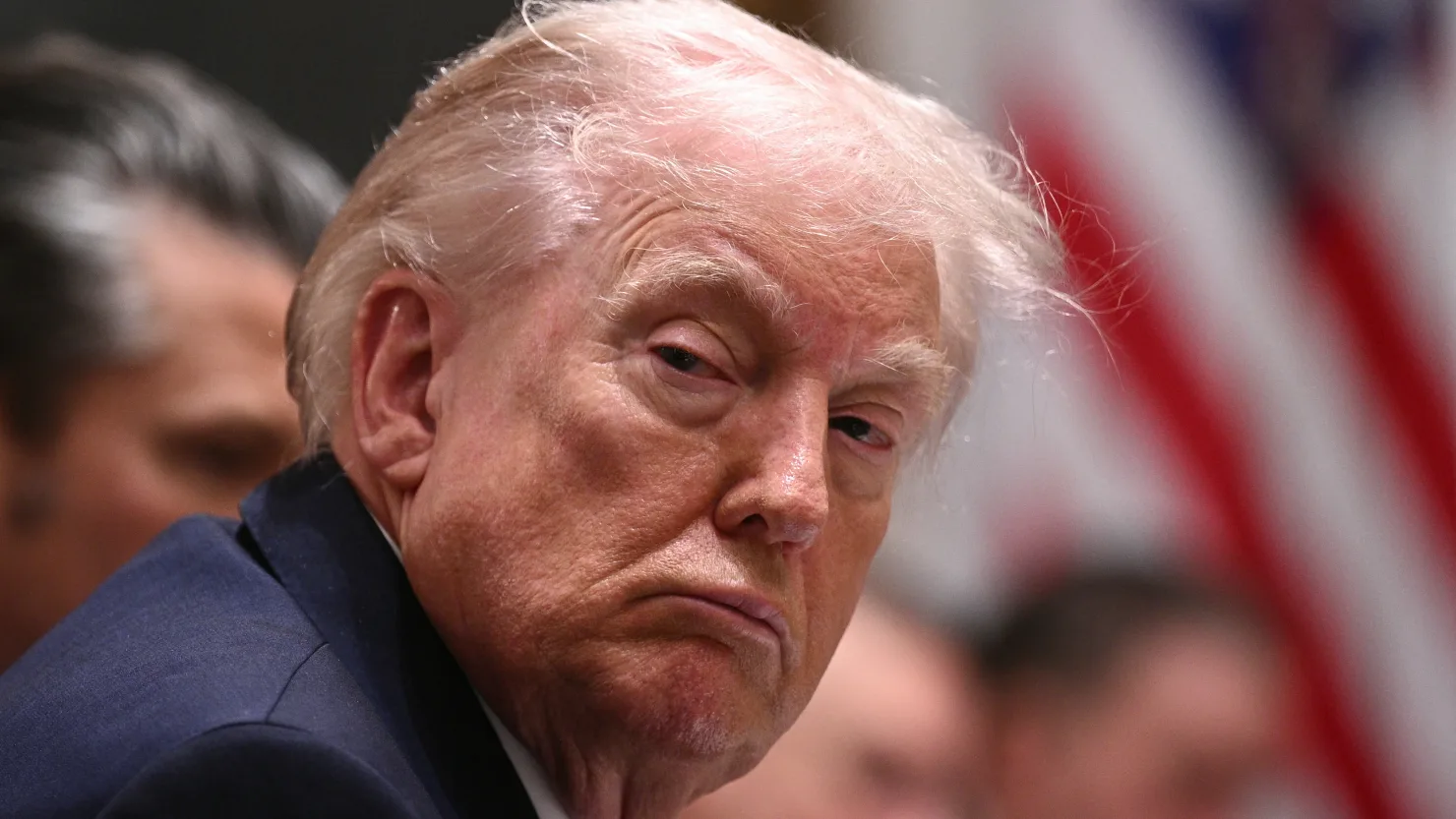

Former President Donald Trump, his two eldest sons, and the Trump Organization have filed a massive lawsuit against the Internal Revenue Service and the U.S. Treasury Department, claiming their private tax information was illegally leaked to the media. The lawsuit, filed in federal court in Miami, seeks at least $10 billion in damages and accuses the government of failing to protect highly confidential financial records.
At the center of the case is an allegation that a single IRS employee, acting with political motivation, unlawfully shared sensitive tax details with major news organizations. According to Trump’s legal team, this breach caused serious financial, reputational, and personal harm to the Trump family and their business empire.
The lawsuit has quickly drawn attention because of its size, its political implications, and the broader questions it raises about privacy, government accountability, and the protection of taxpayer information.
What the Lawsuit Is About
Claims of an Illegal Tax Information Leak
The lawsuit alleges that the IRS allowed a rogue employee to access and distribute confidential tax records belonging to Donald Trump, his sons Donald Trump Jr. and Eric Trump, and the Trump Organization. These records were later published or referenced by major media outlets, including investigative journalism platforms and national newspapers.
According to the complaint, federal law strictly prohibits the release of taxpayer information without consent. Trump’s legal team argues that the IRS failed in its most basic duty: safeguarding private financial data entrusted to the agency.
They claim the leak was not an accident or technical failure, but a deliberate act driven by political bias.
Accusations of Political Motivation
Trump’s lawyers argue that the alleged leak was politically motivated and intended to damage Trump, both personally and professionally. They claim the employee responsible targeted Trump because of his political views and role as a former president and political figure.
A spokesperson for Trump’s legal team stated that the IRS “wrongly allowed” this breach to happen and failed to act quickly enough to stop or prevent the disclosure of sensitive information.
This accusation adds another layer of controversy, turning the case into not just a legal dispute but a political flashpoint.
Who Is Involved in the Lawsuit
Donald Trump and His Two Eldest Sons
The plaintiffs include Donald Trump, Donald Trump Jr., and Eric Trump. All three have been closely involved in the Trump Organization for years and are directly affected by the alleged release of tax information.
Their legal team argues that the leak exposed personal financial details that should never have been made public, regardless of political status.
The Trump Organization
The Trump Organization, the family’s business entity, is also listed as a plaintiff. The lawsuit claims that releasing the company’s tax information harmed its business operations, relationships, and reputation.
According to the filing, confidential data related to the company’s finances and structure was improperly disclosed, putting the organization at a competitive disadvantage.
The IRS and U.S. Treasury Department
The defendants in the case are the Internal Revenue Service and the U.S. Treasury Department. While the lawsuit focuses on the actions of a specific IRS employee, it argues that the agencies themselves are responsible for failing to enforce internal safeguards and protect taxpayer privacy.
The case claims that systemic failures allowed the breach to occur and that leadership did not adequately prevent or respond to the situation.
The $10 Billion Damage Claim Explained
Why the Amount Is So High
The lawsuit seeks a minimum of $10 billion in damages, an amount that reflects what Trump’s legal team describes as extensive harm. This includes reputational damage, emotional distress, financial losses, and long-term business consequences.
The legal filing argues that once confidential tax data is made public, the damage cannot be undone. Even if the information is later removed or corrected, the exposure remains permanent.
Setting a Legal Precedent
By asking for such a large amount, the lawsuit appears aimed at sending a message. Trump’s team argues that without serious financial consequences, government agencies may not take taxpayer privacy seriously enough.
The case could set an important precedent for how leaks of confidential tax information are handled in the future, especially when the individuals involved are high-profile figures.
How Tax Privacy Laws Work
Strict Rules on Confidentiality
Under federal law, tax records are among the most protected types of personal data. IRS employees are legally barred from sharing tax information with unauthorized parties, including journalists, political groups, or private individuals.
Violations can result in criminal charges, fines, and imprisonment.
Responsibility of the IRS
Beyond individual employees, the IRS is responsible for maintaining systems, training, and oversight to prevent unauthorized access or leaks. The lawsuit argues that these safeguards failed and that the agency must be held accountable.
Trump’s legal team claims that this was not just one person’s mistake but a broader institutional failure.
Media Coverage and Public Reaction
Role of News Organizations
The lawsuit alleges that leaked tax information was provided to media outlets that published stories about Trump’s finances. While journalists are generally protected when reporting information they receive, the lawsuit focuses on the source of the leak rather than the media itself.
Still, the case has reignited debate over how sensitive information is obtained and used in political reporting.
Political and Public Response
Supporters of Trump have framed the lawsuit as proof of government bias and misuse of power. Critics, on the other hand, argue that Trump has long been a public figure whose finances have been subject to scrutiny.
Regardless of political views, the case has sparked broader concerns about data security and the treatment of confidential information by federal agencies.
What Happens Next
Legal Process Ahead
The lawsuit is still in its early stages. The IRS and Treasury Department are expected to respond, either by challenging the claims or seeking dismissal. The case could take years to resolve, depending on how it proceeds through the courts.
If it goes to trial, it may involve testimony from IRS officials, internal communications, and detailed examinations of how the alleged leak occurred.
Potential Outcomes
Possible outcomes include a dismissal, a settlement, or a full trial with a court ruling. If Trump and his co-plaintiffs succeed, the case could result in significant financial penalties and changes in how the IRS handles sensitive data.
Even if the lawsuit does not succeed, it is likely to keep the issue of taxpayer privacy in the national spotlight.
Why This Case Matters
At its core, this lawsuit is about trust. Millions of Americans provide the IRS with deeply personal financial information every year, trusting that it will remain private. When that trust is broken, it raises serious questions about accountability and transparency.
Whether viewed through a legal, political, or privacy-focused lens, the Trump tax leak lawsuit highlights the high stakes involved when government agencies fail to protect confidential information.