
TSMC Is Doubling Down on America: Why Its U.S. Chip Investment Could Grow Beyond $165 Billion

Taiwan Semiconductor Manufacturing Co., the world’s largest contract chipmaker, is preparing to significantly expand its already massive investment in the United States. With demand for artificial intelligence chips soaring and geopolitical ties strengthening between the U.S. and Taiwan, TSMC is signaling that its $165 billion commitment to American chipmaking may only be the beginning.
Fresh off another blockbuster earnings report, company executives say they are increasing capital spending to keep up with the explosive growth of AI and advanced computing. Arizona, where TSMC is building major chip production facilities, is at the center of this expansion.
Why TSMC Is Spending So Much in the U.S.
Strong Confidence in the AI Boom
TSMC’s leadership has made it clear that artificial intelligence is driving its investment strategy. According to the company’s chief financial officer, the global AI trend is not temporary, but a long-term transformation that requires massive manufacturing capacity.
Advanced AI systems depend on highly sophisticated chips, and TSMC is the primary supplier for many of the world’s leading tech companies. As demand continues to outpace supply, the company sees no choice but to expand aggressively.
This confidence in AI is one of the main reasons TSMC is stepping up capital expenditures not only in Taiwan, but also in the United States.
Arizona as a Strategic Hub
TSMC’s Arizona facilities are designed to produce some of the most advanced chips in the world. These factories are expected to play a critical role in supplying U.S.-based customers and strengthening domestic chip production.
By expanding in Arizona, TSMC can be closer to its largest clients, reduce supply chain risks, and align itself with Washington’s push to rebuild semiconductor manufacturing on U.S. soil.
What We Know About the $165 Billion Investment
One of the Largest Foreign Investments in U.S. History
TSMC has already committed $165 billion to its U.S. operations, making it one of the largest foreign investments ever made in American manufacturing.
This funding covers multiple fabrication plants, advanced equipment, workforce development, and long-term operational costs. The scale of the investment reflects how critical semiconductors have become to modern economies.
Spending Is Likely to Increase
While $165 billion is already a staggering figure, TSMC executives have hinted that total spending could rise even further. As AI demand accelerates and customers place larger orders for advanced chips, additional capacity will be needed.
Rather than waiting for shortages to worsen, TSMC appears determined to stay ahead of the curve.
The Role of U.S. Policy and Trade Relations
Aligning With Washington’s Chip Strategy
The U.S. government has made semiconductor manufacturing a national priority, offering incentives to bring production back to American soil. TSMC’s expansion fits squarely into this strategy.
By investing heavily in U.S. manufacturing, TSMC helps reduce reliance on overseas chip production while gaining political and economic support from Washington.
This alignment benefits both sides: the U.S. strengthens its supply chain, and TSMC secures a stable environment for long-term growth.
Boost From a New U.S.-Taiwan Trade Agreement
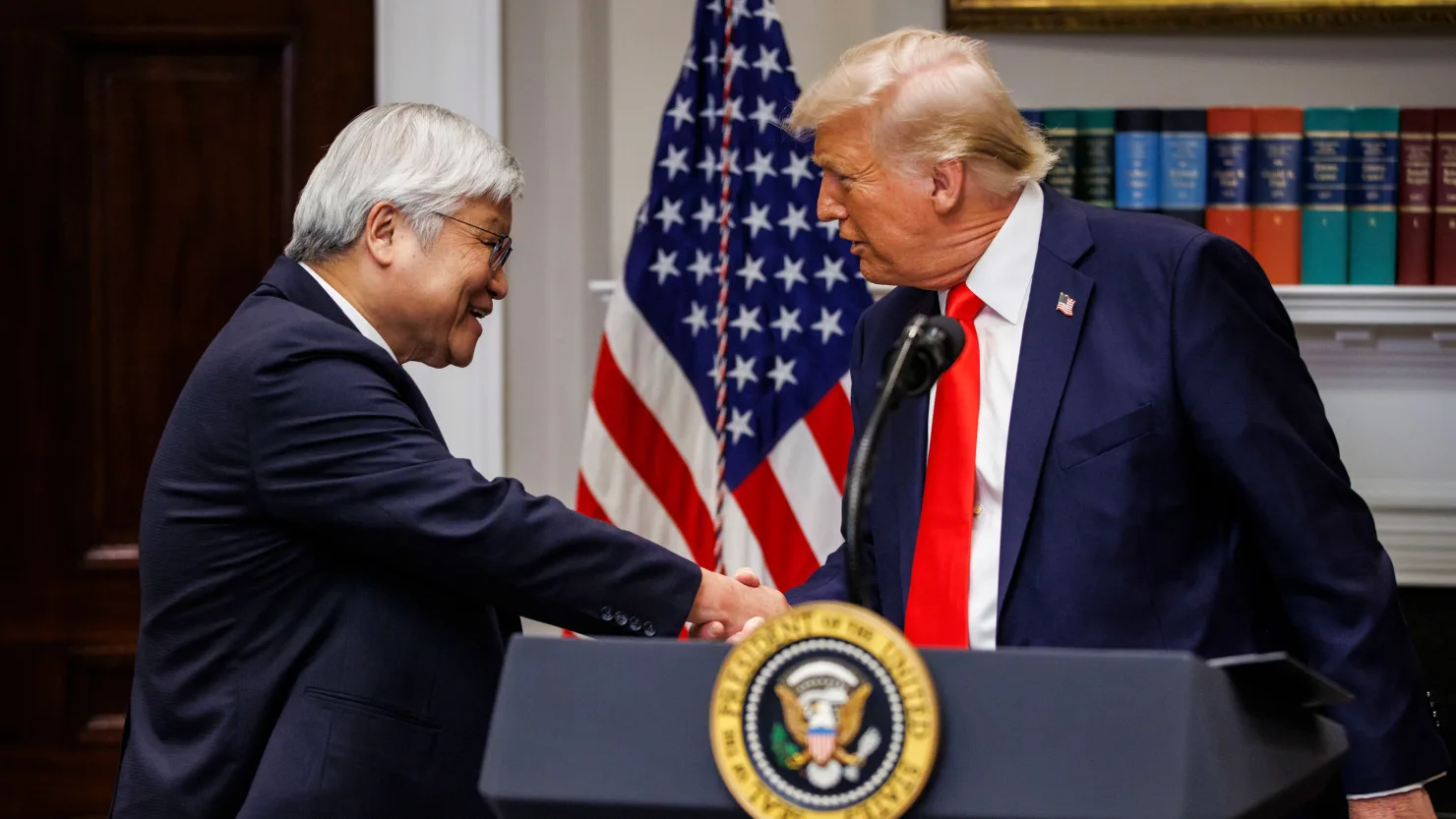
TSMC’s expansion momentum has also been supported by a new trade agreement between the U.S. and Taiwan. While details are still emerging, the agreement is expected to improve economic cooperation and reduce trade friction.
For TSMC, stronger ties between the two governments provide added confidence that its U.S. investments will be protected and supported over the long term.
Why AI Is Changing Everything for Chipmakers
Demand for Advanced Chips Is Exploding
AI applications require chips that are faster, more efficient, and more complex than traditional processors. From data centers to autonomous systems, demand for cutting-edge semiconductors is growing at an unprecedented pace.
TSMC is uniquely positioned to meet this demand, as it manufactures the most advanced chips used by major technology companies worldwide.
However, producing these chips requires enormous capital investments, which explains the company’s aggressive spending plans.
Capacity Constraints Are a Real Risk
Even with massive investments, chip manufacturing capacity remains tight. Building new fabrication plants takes years, and delays can quickly lead to shortages.
By expanding early and aggressively, TSMC aims to avoid capacity bottlenecks that could slow down the AI industry as a whole.
What This Means for the U.S. Semiconductor Industry
Job Creation and Economic Impact
TSMC’s expansion in Arizona is expected to create thousands of high-skilled jobs, ranging from engineers to technicians and support staff.
Beyond direct employment, the investment will also benefit local suppliers, construction firms, and surrounding communities.
The long-term economic impact could reshape Arizona into one of the most important semiconductor hubs in the world.
Strengthening Supply Chain Security
Producing advanced chips domestically reduces the risk of supply disruptions caused by geopolitical tensions or global crises.
For industries such as defense, automotive, and technology, having reliable access to cutting-edge semiconductors is critical.
TSMC’s U.S. expansion plays a key role in addressing these concerns.
Challenges Ahead for TSMC
Rising Costs and Complexity
Building and operating advanced chip factories in the U.S. is more expensive than in Asia. Labor costs, regulatory requirements, and supply chain differences all add complexity.
TSMC must carefully balance these challenges while maintaining profitability and production efficiency.
Competition Is Heating Up
Other major chipmakers are also expanding aggressively, driven by the same AI demand. This creates intense competition for talent, equipment, and government support.
While TSMC remains the industry leader, staying ahead will require continuous innovation and investment.
Final Thoughts
TSMC’s decision to expand its already massive $165 billion U.S. investment marks a turning point for the global semiconductor industry.
Driven by the AI boom, supportive government policies, and strong financial performance, the company is signaling that America will play a much bigger role in its future.
If demand for AI chips continues to grow as expected, TSMC’s U.S. spending could climb even higher, reshaping the technology landscape and solidifying the United States as a key player in advanced chip manufacturing.

