
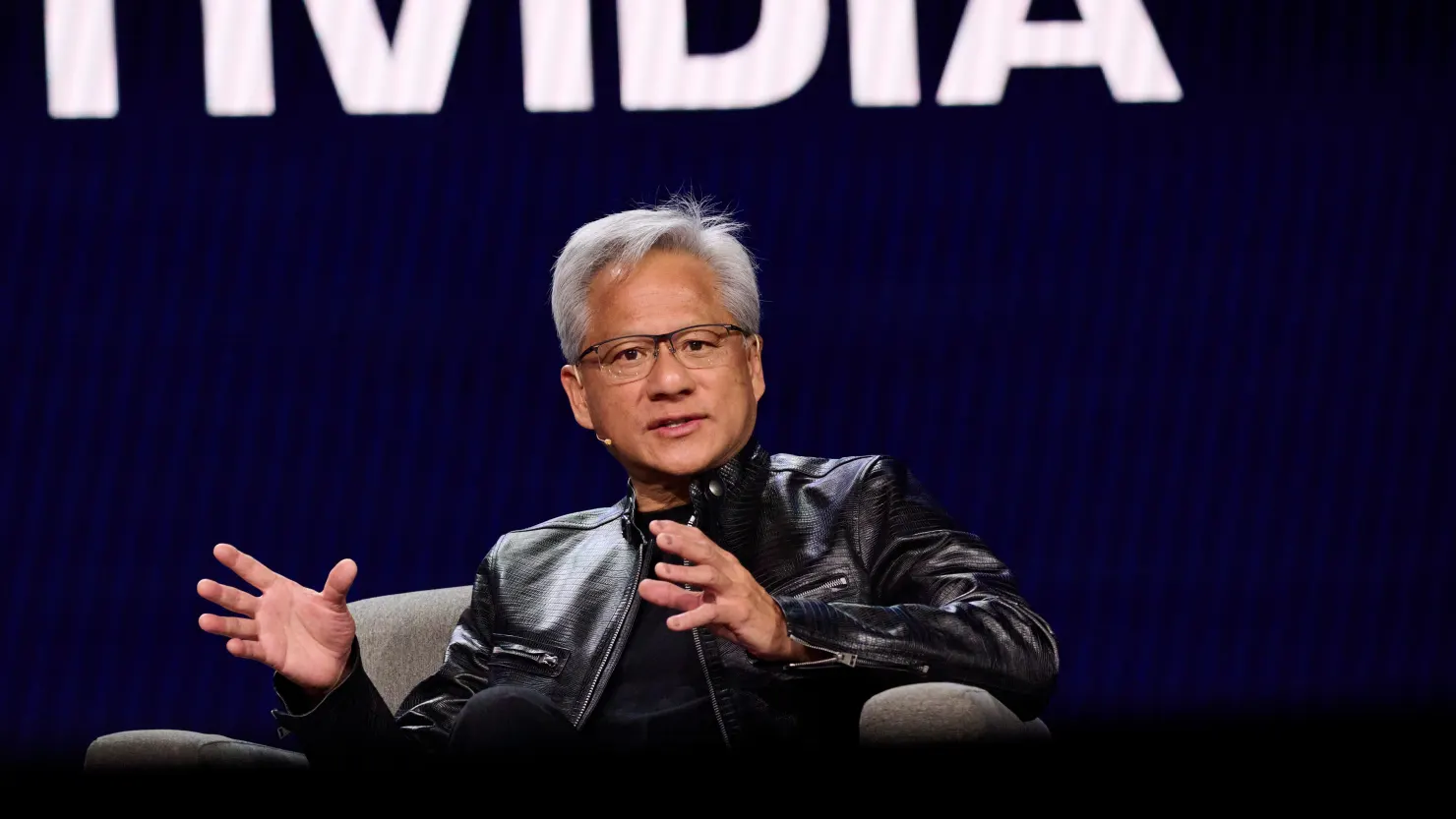

Nvidia Chief Executive Officer Jensen Huang says he would be “perfectly fine” paying an estimated $7.75 billion in taxes if California voters approve a proposed one-time wealth tax targeting the state’s billionaires.
Huang, whose net worth is estimated at $155 billion, appeared unconcerned about the potential levy during an interview with Bloomberg Television on Tuesday, emphasizing that living and building a company in Silicon Valley comes with obligations—including taxes.
Proposed California Wealth Tax Targets Billionaires
One-Time 5% Tax on Extreme Wealth
The proposed ballot measure would introduce a one-time 5% tax on net worth for California residents classified as billionaires. If approved by voters, the tax would apply to individuals whose wealth exceeds $1 billion, making it one of the most aggressive state-level wealth tax proposals in the United States.
Based on Bloomberg’s January 6 estimate, Huang’s net worth would result in a tax bill of roughly $7.75 billion, placing him among the most affected individuals if the initiative becomes law.
Aimed at Funding Public Priorities
Supporters of the proposal argue that the tax would generate tens of billions of dollars in revenue that could be directed toward public services such as housing, education, healthcare, and infrastructure. Critics, however, warn it could drive wealthy residents out of the state and discourage investment.
Huang Says He Has “Not Even Thought About It”
“Perfectly Fine” With Paying the Tax
When asked whether the proposal concerns him, Huang dismissed the issue entirely.
“I’ve got to tell you, I have not even thought about it once,” Huang said. “We chose to live in Silicon Valley, and whatever taxes they would like to apply, so be it. I’m perfectly fine with it.”
His comments stand out at a time when many wealthy individuals and business leaders have criticized wealth taxes as unfair or economically harmful.
Commitment to Silicon Valley
Huang’s remarks also signal a strong personal and professional commitment to Silicon Valley, where Nvidia is headquartered. While some high-profile executives have relocated to lower-tax states such as Texas or Florida, Huang suggested that California’s taxes are simply part of the cost of operating in one of the world’s most important technology hubs.
Nvidia’s Meteoric Rise Fuels Huang’s Wealth
AI Boom Drives Nvidia Stock
Huang’s massive fortune is largely tied to Nvidia’s explosive growth over the past two years. The company has become a central player in the artificial intelligence boom, with its graphics processing units (GPUs) powering data centers used to train and run large AI models.
Nvidia’s stock has surged dramatically as demand for AI infrastructure has skyrocketed, propelling the company to one of the highest market capitalizations in the world and turning Huang into one of the planet’s richest individuals.
Ninth Wealthiest Person Globally
According to Bloomberg’s latest estimates, Huang ranks as the world’s ninth-wealthiest person, a remarkable ascent for an executive who co-founded Nvidia in 1993 and spent decades building the company before its recent AI-driven surge.
A Different Tone From Other Billionaires
Wealth Taxes Often Face Fierce Pushback
Huang’s calm response contrasts sharply with the reaction of many billionaires to wealth tax proposals. Critics typically argue that such taxes are difficult to administer, risk double taxation, and could lead to capital flight.
Some wealthy individuals have publicly threatened to relocate or restructure their finances in response to similar proposals at the state or federal level.
A More Pragmatic View
Huang’s comments suggest a more pragmatic outlook. Rather than framing the tax as punitive, he appeared to view it as part of the social contract that comes with building immense wealth in a state that has long supported the technology industry.
His remarks may resonate with policymakers who argue that billionaires benefiting from California’s ecosystem should contribute more to addressing the state’s economic challenges.
The Political Path Ahead
Ballot Measure Faces Voter Approval
The wealth tax proposal has not yet become law. It must first qualify for the ballot and then receive approval from California voters. The process is expected to spark intense debate, with strong campaigns both for and against the measure.
Business groups are likely to oppose the initiative, while labor organizations and progressive groups may champion it as a way to reduce inequality.
Legal and Economic Questions Remain
Even if approved, the tax could face legal challenges, particularly around valuation of assets and enforcement. Wealth taxes have historically struggled in courts and have been repealed in several countries due to implementation difficulties.
What Huang’s Comments Signal
Confidence in Nvidia’s Future
Huang’s relaxed stance may reflect confidence in Nvidia’s long-term prospects. Even after paying billions in taxes, his remaining wealth would still place him among the richest people in the world.
It also underscores how the AI boom has reshaped the financial realities of tech leaders, creating fortunes so large that even multibillion-dollar tax bills can be absorbed without apparent concern.
A Rare Public Acceptance of Higher Taxes
In an era of growing debate over inequality and taxation, Huang’s comments are notable for their lack of resistance. Rather than framing the tax as a threat, he treated it as a non-issue—an attitude rarely voiced so openly by billionaire executives.
Outlook: A Test Case for Wealth Taxes
Whether California’s billionaire wealth tax moves forward or not, the proposal highlights a broader national conversation about how extreme wealth should be taxed. Jensen Huang’s reaction adds an unexpected voice to that debate—one that suggests acceptance rather than alarm.
As Nvidia continues to dominate the AI hardware market and California weighs new ways to fund public priorities, the outcome of this proposal could set an important precedent. For now, Huang has made his position clear: if the tax happens, he’s ready to pay.

