

Denmark Warns Trump to Stop Threats Over Greenland
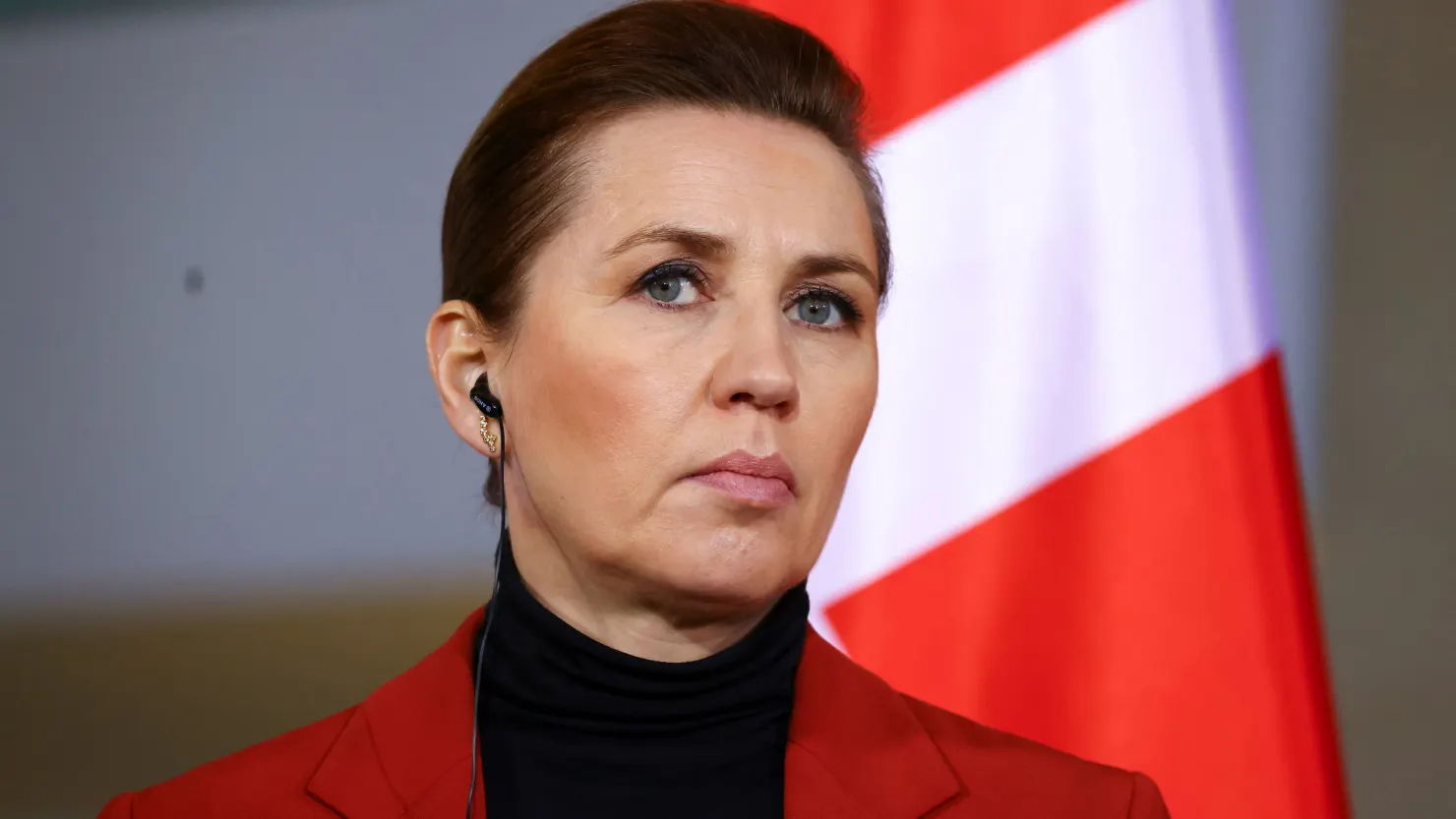
Denmark’s Prime Minister Mette Frederiksen has issued a firm warning to U.S. President Donald Trump, urging him to stop making threats about taking control of Greenland.
Her statement came just one day after the United States carried out a military operation that resulted in the capture of Venezuelan leader Nicolás Maduro, raising concerns among U.S. allies about Washington’s aggressive foreign policy tone.
“Greenland Is Not for Sale”
Denmark Responds Strongly
In a statement released on Sunday, Frederiksen made it clear that Greenland is not up for negotiation.
She emphasized that Greenland is part of the Kingdom of Denmark and is also covered by NATO’s collective security guarantee. As a result, any threat toward Greenland would affect a NATO ally.
Existing U.S. Access to Greenland
Defense Agreement Already in Place
Frederiksen pointed out that Denmark and the United States already have a defense agreement that gives the U.S. broad access to Greenland for military and security purposes.
This, she argued, makes Trump’s repeated statements about acquiring the territory unnecessary and harmful to long-standing relations.
Call to Respect Allies
“Stop the Threats”
“I would strongly urge the United States to stop the threats,” Frederiksen said, referring to comments directed at both Denmark and Greenland.
She added that Greenland’s people have clearly stated they do not want to be sold, and that their decision must be respected.
Trump’s History of Territorial Comments
Trump has repeatedly expressed interest in buying Greenland and has also joked in the past about making Canada the 51st U.S. state. While often dismissed as rhetoric, such comments have sparked unease among allies.
Why This Matters
Denmark’s response highlights growing concerns among U.S. partners about respect for sovereignty and alliances, especially following major military actions abroad.
As global tensions rise, allies are watching closely to see how U.S. foreign policy unfolds.

