
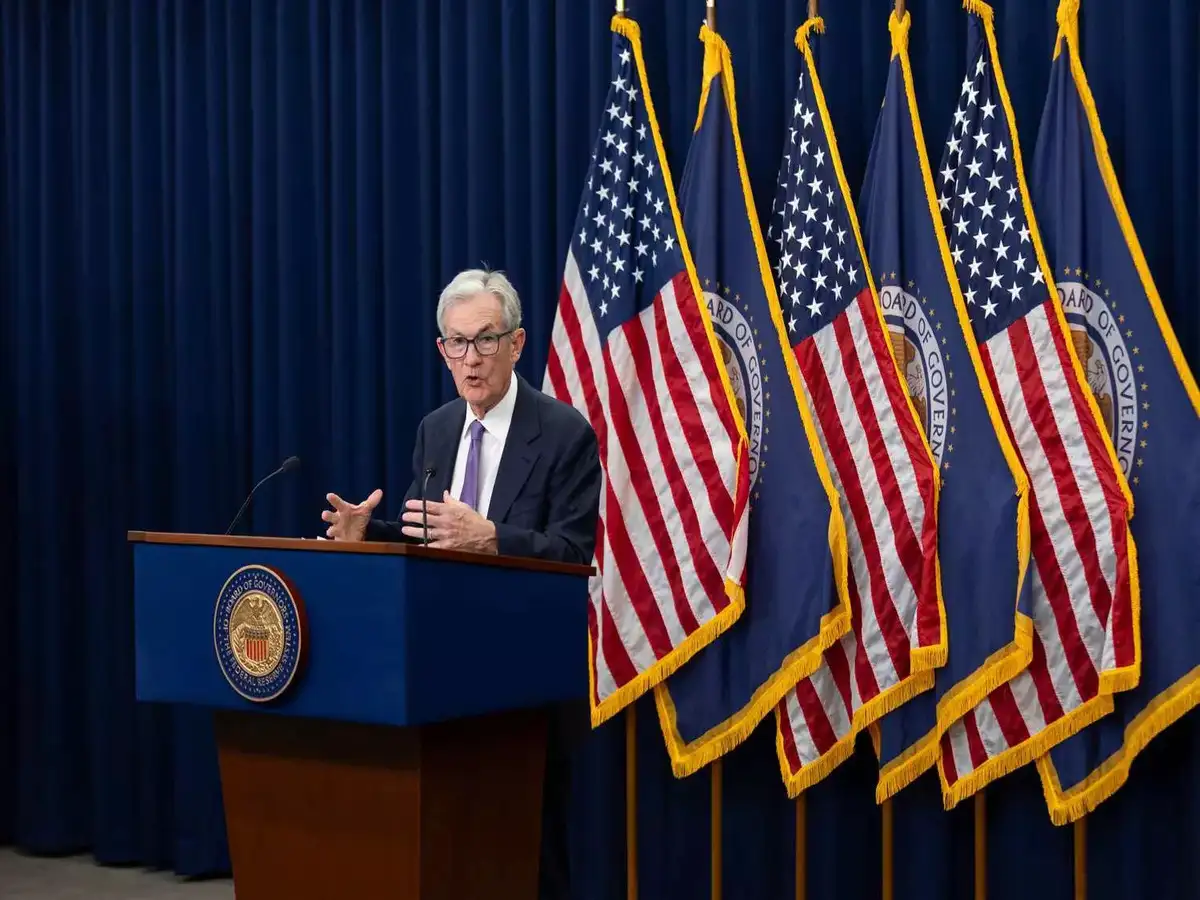

Newly released Federal Reserve meeting minutes show that policymakers were far more divided than the final vote suggested when they decided to cut interest rates in December. While most officials agreed that easing policy could be justified if inflation continues to slow, deep disagreements emerged over how quickly and how far rates should fall in the months ahead.
The minutes from the December 9–10 meeting provide a rare behind-the-scenes look at a tense and closely contested debate inside the Federal Open Market Committee. They reveal concerns not only about inflation risks but also about whether the economy truly needs further monetary support.
Although the Fed ultimately approved a quarter-percentage-point rate cut, the discussion leading up to that decision was anything but straightforward.
A Narrow Vote With Big Implications
The December meeting ended with a 9–3 vote in favor of lowering interest rates, the highest number of dissents since 2019. The decision reduced the federal funds rate to a range of 3.5% to 3.75%, marking another step away from the Fed’s aggressive tightening cycle.
Why the Vote Stood Out
At first glance, a 9–3 vote may seem decisive. However, the minutes suggest the outcome could easily have gone the other way. Several officials expressed reservations about cutting rates at this stage, especially with inflation still above the Fed’s long-term target.
The dissents highlighted how finely balanced the decision had become, with policymakers weighing competing risks to the economy.
Inflation Progress, But Not Confidence
A key reason many officials supported the rate cut was confidence that inflation is gradually moving lower.
Expectations of Cooling Inflation
According to the minutes, most participants believed that further rate cuts would likely be appropriate if inflation continues to decline as expected. Recent data has shown progress, giving some officials comfort that price pressures are easing without severely damaging economic growth.
This outlook formed the backbone of the argument for reducing borrowing costs and providing additional support to the economy.
Lingering Concerns
Despite that optimism, several policymakers warned that inflation could prove stubborn. They argued that moving too quickly could undo hard-won progress made over the past two years.
For these officials, the risk of reigniting inflation outweighed the benefits of faster easing.
Disagreement Over the Path Ahead
While there was general agreement that rates may need to fall eventually, the biggest disagreement centered on timing and pace.
Calls for a Pause After December
Some participants suggested that even after approving a rate cut at the December meeting, it might be appropriate to hold rates steady for some time afterward.
Under their economic outlooks, these officials felt the Fed should wait to see clearer evidence that inflation is firmly under control before making additional adjustments.
This cautious approach reflects a desire to avoid sending markets the signal that a rapid series of cuts is coming.
Others Favored a More Flexible Approach
On the other side of the debate, some officials argued that the Fed should remain open to further cuts if economic conditions weaken or inflation cools faster than expected.
They emphasized the importance of being responsive to incoming data rather than locking into a fixed policy path.
Balancing Inflation and the Labor Market
The December debate also highlighted the Fed’s ongoing challenge of balancing inflation control with labor market stability.
Supporting Employment
Several policymakers expressed concern that keeping rates too high for too long could slow hiring, weaken wage growth, and eventually push unemployment higher.
For these officials, a modest rate cut was seen as a way to protect the labor market while inflation trends gradually improve.
Fear of Doing Too Much
Others countered that the labor market has remained relatively resilient and does not yet require additional support. They warned that premature easing could fuel demand and make inflation harder to control.
This tension between protecting jobs and preventing price increases remains central to the Fed’s decision-making.
Why the Minutes Were Released Early
The Fed released the minutes a day earlier than usual due to the New Year’s holiday, but the timing did little to soften their impact.
Markets and analysts quickly zeroed in on the sharp divisions revealed in the document, reassessing expectations for future rate cuts.
The minutes made clear that policy decisions going forward are likely to be highly data-dependent and potentially contentious.
What This Means for Interest Rates in 2025
The December minutes suggest that future rate cuts are far from guaranteed.
No Clear Commitment to Rapid Cuts
While many officials see room for lower rates if inflation continues to fall, there is no consensus on how quickly that should happen. Some appear ready to pause and reassess, even after December’s move.
This uncertainty could limit how aggressively markets price in future cuts.
Data Will Drive Decisions
The Fed repeatedly emphasized that upcoming inflation and employment data will play a crucial role in shaping policy.
If inflation slows faster than expected, additional cuts could follow. If progress stalls, the Fed may hold rates steady longer than markets anticipate.
Market Reaction and Investor Sentiment
Investors closely watch Fed minutes for clues about future policy direction, and this release was no exception.
Increased Volatility
The revelation of deep internal divisions may contribute to greater market volatility, as traders adjust expectations based on shifting Fed dynamics.
Bond yields and stock prices often respond sharply when the path of interest rates becomes less certain.
Mixed Signals
On one hand, the minutes confirm that rate cuts are still on the table. On the other, they highlight reluctance among some officials to move too quickly.
This mixed message reinforces the idea that the Fed is entering a more delicate phase of monetary policy.
A Turning Point for the Fed
The December meeting may mark a transition for the central bank.
After years of fighting high inflation with aggressive rate hikes, the Fed is now navigating how to ease policy without losing credibility or control.
The close vote and heated discussions show that there is no simple answer.
Why This Debate Matters
Interest rate decisions affect everything from mortgage costs and credit card rates to business investment and government borrowing.
A divided Fed means policy outcomes may be less predictable, increasing uncertainty for households and businesses alike.
The December minutes underscore just how challenging it is for policymakers to steer the economy through slowing inflation, resilient growth, and shifting global conditions.
Looking Ahead
As 2025 approaches, the Fed faces tough choices. The December rate cut may not be the start of a smooth easing cycle but rather the beginning of a cautious and highly debated path forward.
What remains clear is that future decisions will not be automatic. Each move will be shaped by economic data, internal debate, and the delicate balance between inflation risks and economic stability.
For now, the December minutes serve as a reminder that even small rate changes can reflect big disagreements behind closed doors.

