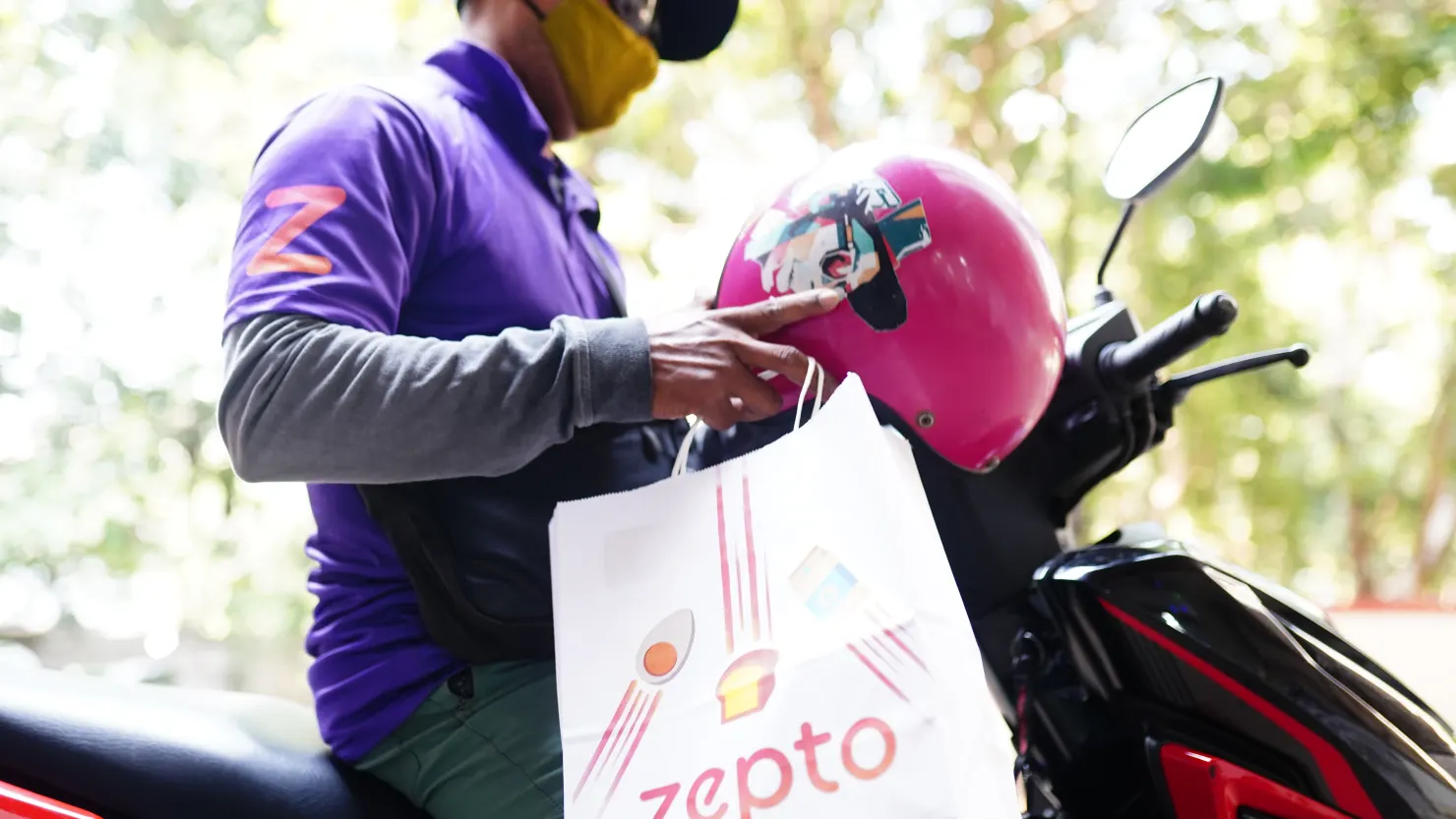

Zepto Files for $1.2 Billion IPO as Quick Commerce Bubble Concerns Rise
Indian quick commerce startup Zepto has quietly taken a major step toward going public. The company has confidentially filed draft papers for an initial public offering, aiming to raise 110 billion rupees, or about $1.22 billion, according to a public notice issued on Sunday.
The move comes at a time when India’s quick commerce sector is growing rapidly but facing increasing scrutiny over rising losses, intense competition, and questions about long-term sustainability.
What We Know About Zepto’s IPO Filing
Confidential Route Keeps Details Private
Zepto confirmed that it has filed its draft red herring prospectus under the confidential filing route. This option allows companies to keep sensitive financial and business details private until closer to the IPO launch.
The startup declined to share further information about the timing or structure of the offering. However, the filing itself signals that Zepto is preparing for one of the largest tech listings in India’s recent startup history.
Valuation Snapshot
Zepto was last valued at around $7 billion during a funding round in October, according to data from research firm Tracxn. The proposed IPO would raise fresh capital rather than offering shares from existing investors.
The Rise of Zepto and India’s Quick Commerce Boom
Built on Speed and Convenience
Founded in 2021, Zepto built its brand around ultra-fast grocery delivery, promising orders in as little as 10 minutes. This model relies on a dense network of dark stores, advanced logistics, and real-time inventory management.
The company quickly gained popularity in major Indian cities, tapping into demand from urban consumers seeking speed and convenience.
A Crowded and Competitive Market
Quick commerce has become one of the most competitive segments in India’s consumer internet space. Multiple startups and large tech firms are battling for market share, often relying on heavy discounts and promotions to attract users.
This competition has fueled rapid growth but also significant financial pressure.
Rising Competition From Big Players
Swiggy’s Aggressive Expansion
Food delivery giant Swiggy has emerged as a major rival in the quick commerce space. Earlier this month, Swiggy raised 100 billion rupees from institutional investors to scale up its fast-delivery operations.
The move underlined how established platforms with large customer bases are doubling down on quick commerce as a key growth area.
Amazon Enters the Fast Lane
Global e-commerce leader Amazon has also increased its focus on fast deliveries in India. While Amazon Fresh has offered same-day delivery for years, the launch of its 15-minute delivery service, Amazon Now, in June marked a more aggressive push.
With Amazon’s deep pockets and logistics experience, competition in the sector has intensified further.
Mounting Losses and Sustainability Concerns
High Costs Behind 10-Minute Delivery
Delivering groceries within minutes is expensive. Companies must invest heavily in warehouses, delivery staff, technology, and customer acquisition. While order volumes are rising, profitability remains elusive for most players.
Rising fuel costs, labor expenses, and promotional spending have added to financial pressure across the sector.
Is There a Quick Commerce Bubble?
Analysts and investors are increasingly questioning whether the quick commerce boom is sustainable. Some warn that the sector could be facing a bubble, driven by aggressive expansion and investor enthusiasm rather than strong fundamentals.
As losses grow and competition intensifies, weaker players may struggle to survive without continuous funding.
Why Zepto’s IPO Matters
A Test of Investor Sentiment
Zepto’s IPO filing could serve as a key test of investor appetite for quick commerce businesses. Public market investors typically demand clearer paths to profitability than private venture capital firms.
If Zepto receives strong interest, it could encourage other startups to follow suit. A lukewarm response, however, may slow IPO plans across the sector.
Pressure to Show a Path to Profits
Once public, Zepto would face greater scrutiny over its financial performance. Investors will closely examine margins, unit economics, and plans to control costs while maintaining growth.
The IPO could push the company to shift focus from rapid expansion to operational efficiency.
The Broader Impact on India’s Startup Ecosystem
A Changing Funding Environment
The IPO comes at a time when startup funding has become more selective. Investors are increasingly cautious, favoring companies with strong revenue visibility and sustainable business models.
Quick commerce startups may find it harder to justify high valuations without clear progress toward profitability.
Consolidation Could Be Next
Industry experts believe consolidation is likely in the quick commerce space. Larger players with deeper pockets may acquire or outlast smaller rivals, reshaping the market over the next few years.
Zepto’s IPO could accelerate this process by setting new benchmarks for valuation and performance.
Final Thoughts
Zepto’s confidential filing for a $1.2 billion IPO marks a significant moment for India’s fast-growing quick commerce sector. While the company has built a strong brand and achieved rapid scale, it is entering public markets at a time of rising competition and growing concerns about sustainability.
The success or failure of this IPO could influence how investors view the future of ultra-fast delivery businesses in India. As excitement around quick commerce meets the realities of cost and competition, Zepto’s next steps will be closely watched by the entire startup ecosystem.