

Value Became the Hottest Menu Item in 2025—and It’s Here to Stay
In 2025, restaurants didn’t just sell burgers, tacos, and bowls. They sold value. From fast-food giants to neighborhood chains, one word dominated earnings calls, marketing campaigns, and menu boards: value.
And despite hopes that consumers might loosen their wallets next year, restaurant leaders are preparing for more of the same in 2026. The era of value meals isn’t fading—it’s becoming the foundation of the industry.
Why Value Took Over Restaurant Menus
Consumers Pulled Back on Spending
Over the past year and a half, Americans have been eating out less often and spending less when they do. This shift has been especially noticeable among households earning under $40,000 a year.
Rising everyday expenses like rent, groceries, child care, and transportation have squeezed disposable income. When money gets tight, dining out is usually one of the first habits to change.
Research shows that consumers are now more price-focused than they’ve been in years. According to industry analysts, “value” became the most-used word by restaurant executives throughout 2025—and not by accident.
Eating Out Is the First Cut for Many Families
When households start trimming budgets, restaurant spending is often the first thing to go. Surveys show that nearly one in four consumers say they would reduce spending on eating out before cutting back on entertainment, travel, or even home maintenance.
That reality forced restaurants to react quickly. To keep customers coming through the doors, chains had to convince diners that eating out was still worth it.
Fast-Food Chains Led the Value Charge
McDonald’s, Taco Bell, and the Power of Low Prices
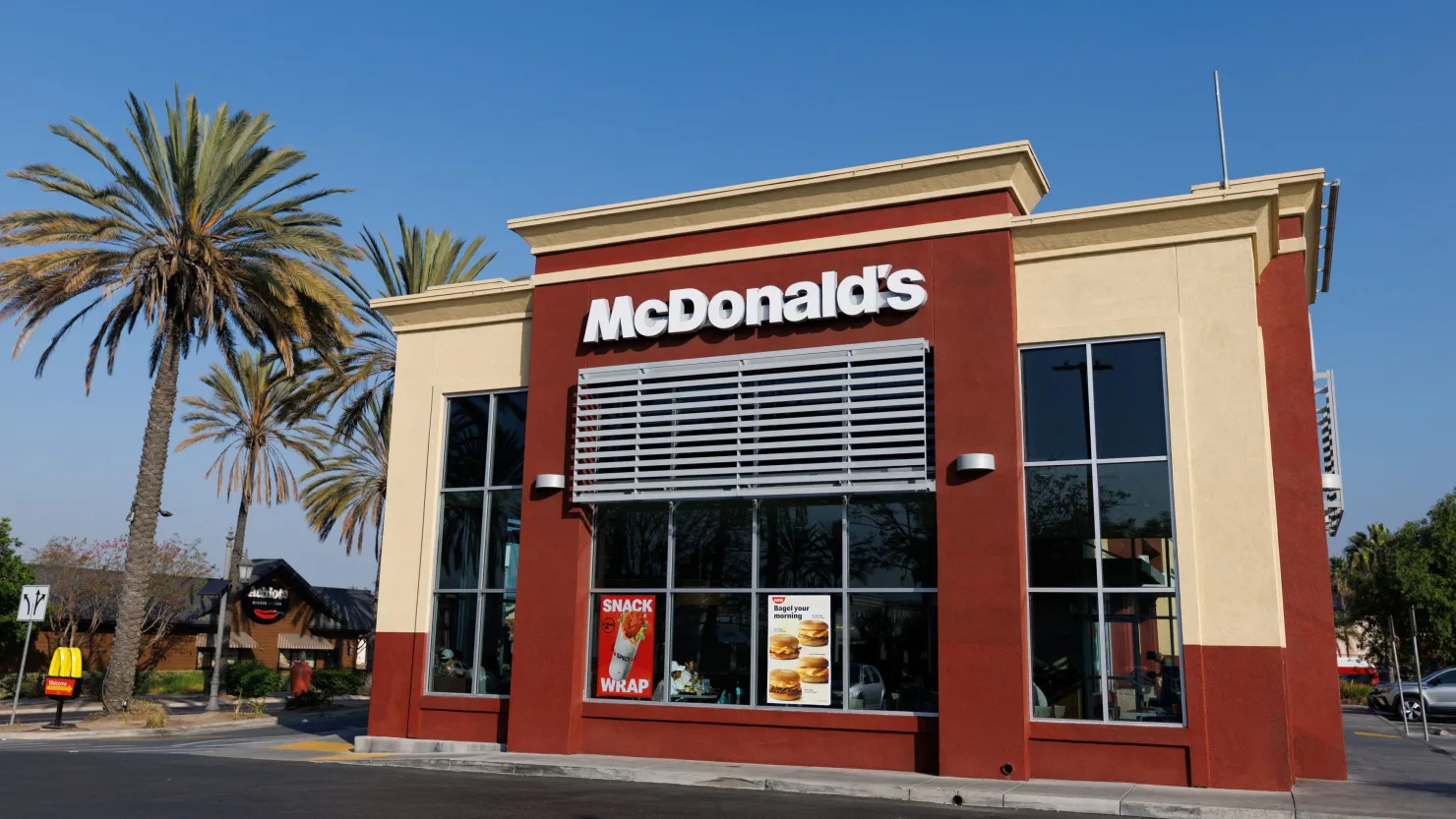
Fast-food giants like McDonald’s and Taco Bell leaned heavily into value meals in 2025. Budget-friendly bundles, limited-time deals, and low-cost combo meals became central to their strategies.
These companies understood something critical: even loyal customers would walk away if prices felt too high. Value meals weren’t just about affordability—they were about reassurance. They told customers, “You can still eat here without guilt.”
Winning Back Budget-Conscious Diners
For fast-food brands, value menus helped bring back customers who had cut back on dining out altogether. Lower prices didn’t just boost traffic; they also helped restore trust at a time when consumers felt everything else was getting more expensive.
Fast-Casual Chains Are Taking a Different Path
Avoiding Discounts, Protecting the Brand
While fast-food chains embraced value head-on, fast-casual brands like Chipotle and Cava took a more cautious approach. Rather than leaning heavily into discounts, they focused on quality, portion size, and ingredient transparency.
These brands worry that aggressive discounting could damage their premium image. Instead, they are betting that customers will continue to pay a bit more for food they perceive as fresher and higher quality.
A Risky Strategy in a Price-Sensitive World
This approach carries risk. As consumers become more price-conscious, even fast-casual loyalists may start comparing costs more closely. Still, these brands are hoping that value doesn’t always have to mean cheap—it can also mean quality for the price.
Economic Uncertainty Is Fueling the Value Trend
Bigger Fears Beyond Food Prices
Consumers aren’t just worried about restaurant prices. Broader economic uncertainty is shaping spending behavior.
Concerns about layoffs, higher tariffs, immigration crackdowns, and general economic instability have made people more cautious with their money. Even diners who can afford to eat out are thinking twice before doing so.
This mindset makes it harder for restaurants to raise prices—and easier for value-focused competitors to steal market share.
Why Restaurants Won’t Abandon Value in 2026
Value Is No Longer a Promotion—It’s a Strategy
In the past, value meals were often temporary promotions used to boost traffic. In 2025, value became a long-term strategy.
Restaurant executives now see affordable pricing as essential, not optional. Dropping value-focused offerings in 2026 could risk losing customers who have already adjusted their expectations.
Consumers Have Reset Their Spending Habits
Once consumers change how they spend, it’s hard to reverse. Many diners have become used to lower-priced meal options and are unwilling to go back to higher costs.
Even if inflation cools or wages rise, restaurants know that customers will still compare prices closely.
What This Means for Diners
More Deals, Fewer Price Surprises
For diners, the continued focus on value likely means more predictable pricing, bundled meals, and promotions that feel genuinely affordable.
While menu prices may not drop dramatically, restaurants will try harder to make meals feel worth the cost.
Choice Will Matter More Than Ever
Consumers will increasingly decide where to eat based on perceived value rather than brand loyalty alone. Restaurants that fail to deliver on price or quality may struggle to keep customers.
The Bottom Line
In 2025, value wasn’t just a buzzword—it was the most important item on the menu. And as restaurants look ahead to 2026, there’s little reason to believe that will change.
With consumers watching every dollar and economic uncertainty still looming, restaurants know they can’t afford to abandon value. Whether through low-cost meals or better-quality offerings at reasonable prices, one thing is clear: diners are in control now.
And restaurants that forget that lesson may not survive the next year.

