
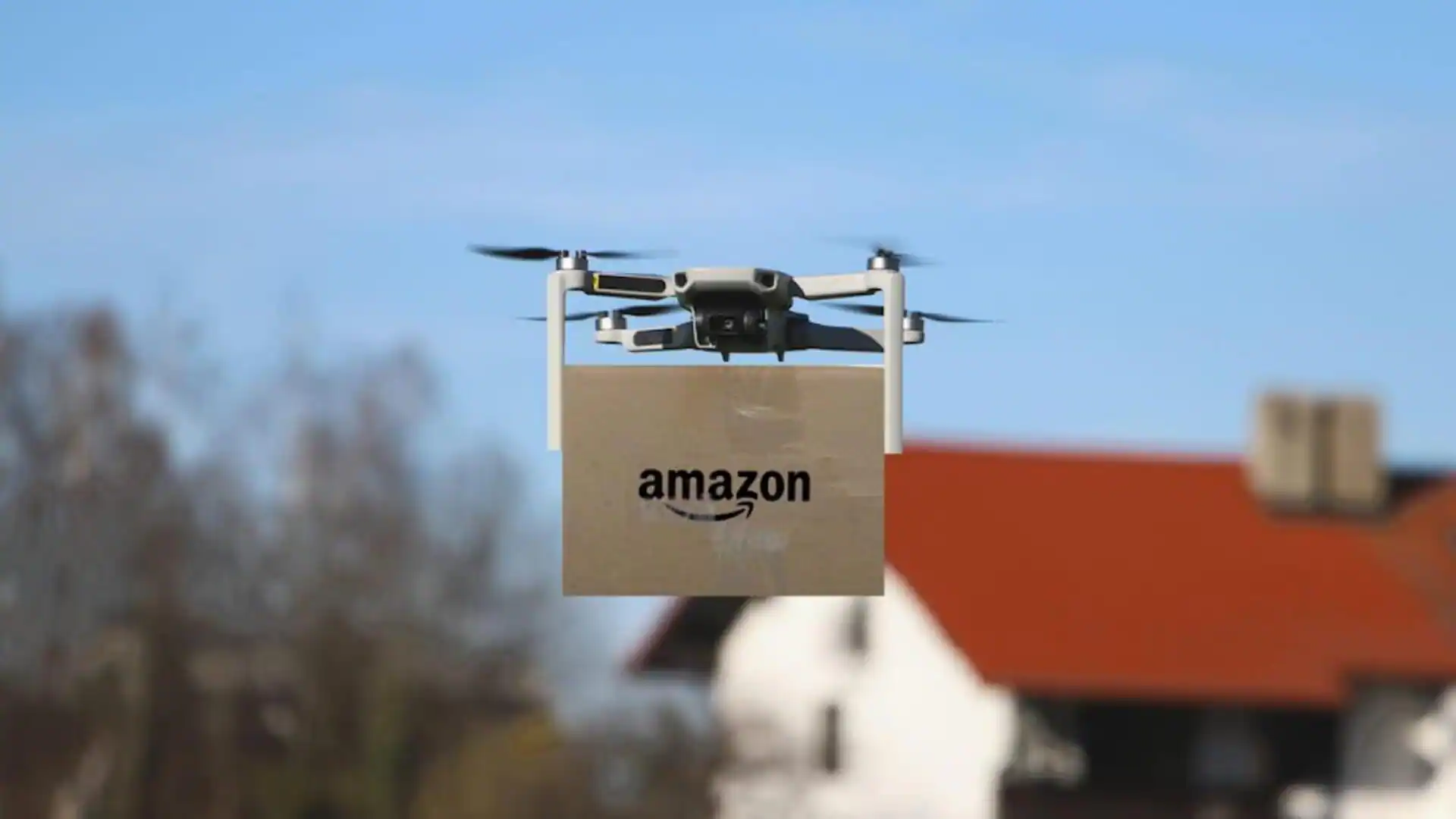
Amazon Pulls the Plug on Drone Deliveries in Italy—And the Reason Isn’t What You Think

Amazon Shocks Italy by Halting Drone Delivery Plans
Amazon has quietly grounded one of its most futuristic ambitions in Europe. The e-commerce giant has decided to stop pursuing plans to deliver packages by drone in Italy, marking a surprising retreat from a project that once symbolized the future of fast delivery.
The decision, announced over the weekend, caught Italian aviation authorities off guard and raised new questions about Amazon’s broader strategy as it reassesses investments amid mounting regulatory and financial pressures.
A Project Years in the Making—Now Scrapped
Progress Made, But Not Enough
Amazon said it had made solid progress working with aerospace regulators in Italy, including discussions around airspace safety and operational approvals. From a technical and aviation standpoint, the company suggested the project was moving in the right direction.
However, Amazon ultimately concluded that broader business and regulatory challenges made the drone delivery initiative unworkable in Italy at this time.
In short, even though the drones may have been ready, the business case was not.
Italian Aviation Authority Caught by Surprise
ENAC Responds to the Decision
Italy’s civil aviation authority, ENAC, reacted quickly and publicly, calling Amazon’s decision unexpected.
In a statement released Saturday, ENAC said the move appeared to be driven by internal company policy rather than aviation-related obstacles. The authority also pointed to what it described as recent financial events involving the Amazon group as a possible factor behind the sudden shift.
The response suggests that regulators believed the project was still alive and progressing, making Amazon’s withdrawal all the more surprising.
Why Italy Matters in Amazon’s Drone Strategy
A Key European Test Market
Italy was seen as an important testing ground for Amazon’s drone delivery ambitions in Europe. The country has a mix of dense urban areas and smaller towns that could have provided valuable data on how drones perform in real-world delivery scenarios.
Pulling out of Italy raises questions about whether other European drone projects could face similar scrutiny or delays.
The Bigger Picture: Why Amazon May Be Hitting Pause
Regulation Beyond the Skies
While aviation approval is a major hurdle for drone delivery, it is not the only one. Broader business regulations, logistics rules, and operational costs can all complicate large-scale deployment.
Amazon’s statement suggests that these non-aviation issues played a decisive role in its decision. Even with regulators on board, the overall environment may not have supported a sustainable rollout.
Financial Pressure and Strategic Reassessment
The reference by Italian authorities to recent financial events hints at a larger shift inside Amazon. Like many global companies, Amazon has been reassessing costs, prioritizing profitability, and scaling back experimental projects that do not offer clear near-term returns.
Drone delivery, while innovative, remains expensive and complex.
What This Means for Amazon’s Drone Ambitions
Not the End, But a Setback
Amazon has not abandoned drone delivery altogether. The company continues to test and operate limited drone delivery programs in other markets.
However, halting plans in Italy shows that Amazon is willing to pause or exit projects that no longer align with its business priorities—even high-profile ones.
This move underscores a more cautious approach to innovation, especially in regions with complex regulatory and economic environments.
What Italian Consumers Lose—for Now
Faster Delivery Dreams Put on Hold
For Italian consumers, the decision means that ultra-fast, drone-based deliveries will remain a vision of the future rather than a present reality.
While traditional delivery methods continue to improve, the promise of packages arriving from the sky within minutes has been put on hold indefinitely.
Final Takeaway
Amazon’s decision to halt drone delivery plans in Italy highlights the growing gap between futuristic technology and real-world business challenges.
Despite technical progress and regulatory cooperation, the project ultimately fell victim to broader economic and strategic concerns. The surprise reaction from Italian aviation authorities only adds to the sense that this decision was driven more by internal recalculations than external roadblocks.
For now, Amazon’s drones will stay grounded in Italy—another reminder that even the biggest tech companies must sometimes pull back before pushing forward.

