
Is the “Berkshire Way” Quietly Dying? Inside the Subtle Shake-Up Ahead of Warren Buffett’s Exit

A Departure That Raised More Questions Than Answers
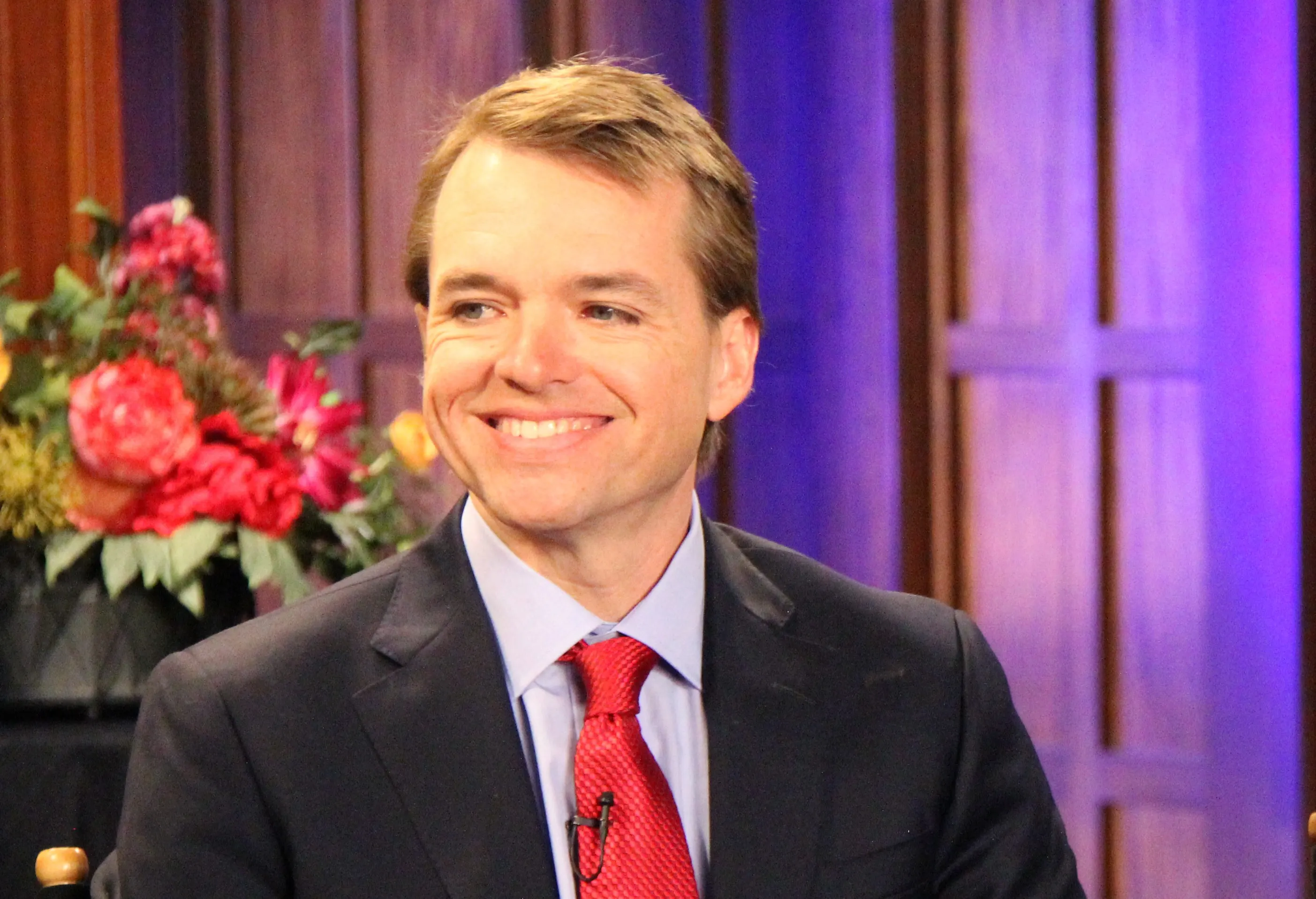
When news broke that Todd Combs was leaving Berkshire Hathaway, most headlines treated it as a surprising but isolated event. One executive out, business as usual.
But beneath the surface, something far bigger appears to be unfolding.
Combs’ exit wasn’t the only change buried inside Berkshire’s low-key, three-page announcement earlier this week. In fact, it may be the clearest signal yet that the company Warren Buffett built is preparing to look very different once he officially steps aside as CEO.
And that transition is coming fast.
Buffett’s Clock Is Ticking
In less than three weeks, Warren Buffett is expected to hand over the CEO title to Greg Abel, ending one of the longest and most iconic leadership runs in corporate history.
For decades, Berkshire Hathaway has operated unlike almost any other major corporation. Its decentralized structure, minimal bureaucracy, and extraordinary trust in subsidiary leaders became known as the “Berkshire Way.”
Buffett didn’t micromanage. He didn’t centralize power. He let managers run their businesses with remarkable autonomy.
That model may now be changing.
Why Todd Combs’ Exit Matters More Than It Seems
Todd Combs wasn’t just another executive. He was one of Buffett’s handpicked investment managers, often mentioned alongside Ted Weschler as part of Berkshire’s next generation of capital allocators.
His sudden departure raises uncomfortable questions.
Why now? Why so close to the leadership transition? And what does it say about Berkshire’s future direction?
While no drama was publicly acknowledged, timing matters. Leadership changes at this level rarely happen in isolation—especially at a company famous for stability.
The Quiet Restructuring Nobody Is Talking About
Lost in the focus on Combs was a series of other personnel moves announced at the same time. Individually, they seemed routine. Together, they tell a different story.
Berkshire appears to be adding layers of structure and redefining roles in ways that resemble a more traditional corporate hierarchy. That’s a sharp contrast to the loose, trust-based system Buffett championed for decades.
For a company that once prided itself on doing almost everything differently, the shift is striking.
From Radical Decentralization to Corporate Normalcy?
The “Berkshire Way” wasn’t just a slogan. It was a philosophy.
Buffett trusted managers to act like owners. Headquarters stayed lean. Rules were minimal. Accountability was personal, not procedural.
Now, as leadership transitions approach, the company seems to be edging toward a more conventional governance model. More defined roles. More oversight. More structure.
Supporters argue this is necessary for continuity once Buffett is no longer in charge. Critics worry it risks diluting the very culture that made Berkshire extraordinary.
Greg Abel’s Balancing Act
Greg Abel inherits an impossible task.
He must preserve Berkshire’s unique identity while convincing investors that the company can thrive without Buffett’s daily involvement. That alone would be challenging. Doing it while modernizing operations makes it even harder.
Abel has earned Buffett’s trust and praise, but he won’t have Buffett’s aura. The subtle structural changes may be an attempt to reduce reliance on personality and replace it with systems.
The question is whether Berkshire loses something irreplaceable in the process.
Why Buffett’s Shadow Still Looms Large
Even as he prepares to step aside, Buffett’s influence remains enormous. His values are embedded in Berkshire’s DNA.
But values are easier to preserve than culture.
Once leadership changes hands, decision-making styles evolve. Risk tolerance shifts. Incentives change. Over time, even small adjustments can transform how a company behaves.
Investors are now watching closely to see whether Berkshire remains an outlier—or slowly blends into the corporate crowd.
Investors Shouldn’t Ignore These Signals
Berkshire Hathaway is famously boring on the surface. That’s part of its appeal.
But the recent moves suggest meaningful change is underway behind the scenes. Leadership transitions, executive exits, and structural adjustments rarely happen without long-term consequences.
For shareholders, this isn’t necessarily bad news. A more conventional structure could make Berkshire more resilient in a post-Buffett era.
Or it could erode the magic that made it so successful in the first place.
The End of an Era—or a Necessary Evolution?
Buffett himself has always said Berkshire should be built to last beyond him. From that perspective, change is inevitable.
The real debate isn’t whether Berkshire will change—but how much, and at what cost.
Todd Combs’ departure may ultimately be remembered not as a single exit, but as the first visible crack in a model that defined American capitalism for over half a century.
Final Takeaway
The Berkshire Way may not be ending overnight. But it’s clearly being tested.
As Warren Buffett prepares to step back, Berkshire Hathaway is quietly transforming itself. Whether that transformation preserves Buffett’s legacy or reshapes it entirely is the question investors can no longer afford to ignore.
One thing is certain: the most important chapter in Berkshire’s history is about to begin—without the man who wrote the first ones.

