
Japan Drops a $135 Billion Bombshell: Massive Stimulus Plan Revealed to Rescue Economy and Shock the Markets

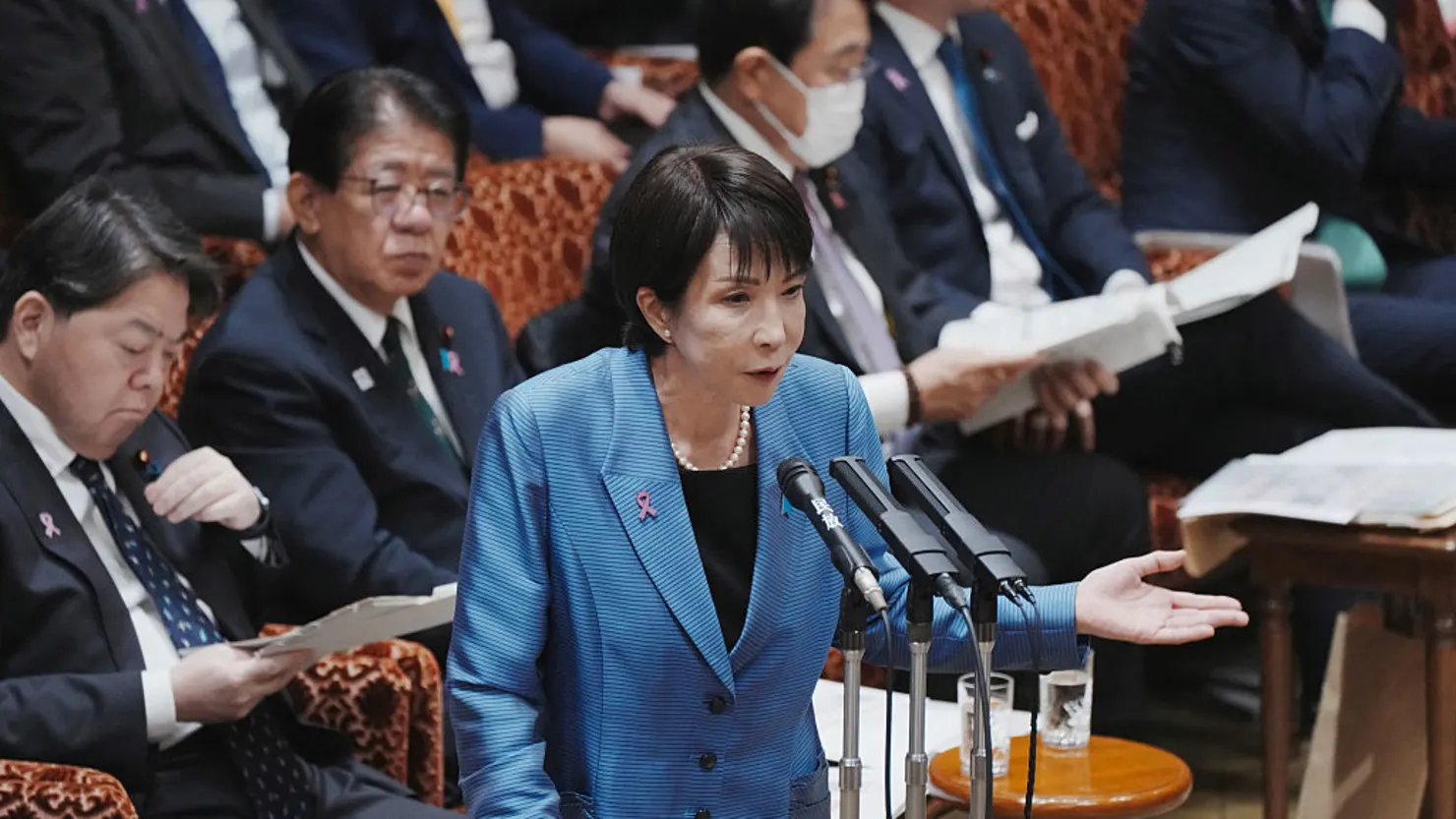
Japan just unleashed its biggest economic rescue plan since the pandemic—and the world is paying attention. With rising prices squeezing households, a slowing economy worrying policymakers, and global tensions pushing defense needs higher, Prime Minister Sanae Takaichi’s government approved a sweeping 21.3 trillion yen (135.5 billion dollars) stimulus package.
This move isn’t just another economic measure. It’s a dramatic attempt to stabilize Japan’s economy, protect consumers, boost national security, and calm growing financial market turbulence. Here’s the full breakdown of what Japan is doing, why they’re doing it, and what this massive stimulus means for the country and global markets.
Japan Unveils One of Its Largest Stimulus Packages Ever
On Friday, Japan’s cabinet approved a staggering 135.5 billion dollar stimulus plan, its largest since the Covid-19 crisis. Reports from NHK reveal that this package stands on three ambitious pillars:
- Fighting rising prices
- Strengthening economic growth
- Bolstering defense and diplomatic capabilities
It’s a bold vision—and one that signals Japan is preparing for long-term challenges both at home and abroad.
What’s Inside the Massive Stimulus Plan?
Relief for Inflation-Hit Households
Rising prices have battered consumers, especially when it comes to utilities. To help offset cost pressures, the government will:
- Expand grants to local governments
- Provide subsidies for electricity and gas bills
- Deliver support worth about 7,000 yen to a typical household over three months starting in January
- Eliminate taxes on gasoline to reduce fuel costs
These moves aim to ease the financial pain millions of Japanese families have felt for months.
A Push for Economic Strength
Japan’s economy has slowed, and the government wants to restart growth. The plan includes multiple investments intended to boost domestic industries and support long-term stability. One of the most notable initiatives is a new 10-year fund to enhance Japan’s shipbuilding capabilities, a major investment in national manufacturing strength and maritime infrastructure.
A Historic Surge in Defense Spending
Japan is also preparing for increased geopolitical tensions in Asia. The package includes measures supporting Japan’s goal to lift defense spending to 2 percent of GDP by fiscal year 2027, marking one of the most significant military expansions in decades.
This aligns with Japan’s shift toward a more assertive national security strategy, especially amid growing concerns about regional threats.
Where Will the Money Come From?
Prime Minister Takaichi has promised that the government will use its revenue to fund the package as much as possible. Any remaining gap will be covered by issuing government bonds. She emphasized that the new bond issuance would likely be lower than last year’s total of 42.1 trillion yen.
Officials repeatedly underscored that the plan was crafted with fiscal sustainability in mind. But not everyone is convinced.
Market Reaction: JGB Investors Get Spooked
The stimulus news didn’t land softly in Japan’s bond markets. Jesper Koll, an expert director at Monex Group, warned that bond investors may be rattled by the spending surge.
Japan’s government bonds have already been under pressure, with the benchmark 10-year yield jumping to 1.817 percent—the highest level since 2008—before dipping slightly to 1.785 percent on Friday.
A stimulus package this size could fuel expectations of further borrowing, potentially pushing yields even higher and complicating Japan’s already delicate monetary balancing act.
Political Landscape: Can the Government Pass the Budget?
Japan’s political math adds another layer of suspense.
The ruling Liberal Democratic Party currently runs a minority government but has secured support from the Japan Innovation Party. Together they hold 231 seats—just two short of a majority in the 465-seat Lower House.
Still, the government says it will work with opposition parties to quickly compile and pass a supplementary budget before the end of the year. Whether that process runs smoothly remains to be seen.
What This Means for Japan’s Future
Japan’s new stimulus package sends a clear message: the government is preparing for prolonged economic challenges and shifting geopolitical realities.
Here’s what to watch next:
1. Will inflation ease?
The subsidies and tax cuts should help households immediately, but long-term inflation trends will depend on global energy prices and domestic demand.
2. Can Japan revive growth?
Investment in local support, manufacturing, and strategic industries could boost growth—but only if businesses respond quickly.
3. How will markets react?
Bond markets are already jittery. If yields continue to rise, borrowing could get more expensive, increasing pressure on Japan’s massive debt load.
4. Will Japan’s defense shift continue?
The government’s commitment to reaching 2 percent of GDP in defense spending marks a historic change. Expect stronger partnerships with allies and accelerated military modernization.
Japan’s 135.5 billion dollar stimulus package isn’t just another policy announcement. It’s a high-stakes attempt to revive the economy, protect consumers, strengthen national security, and stabilize government finances—all at once. Whether this bold plan succeeds will depend on market reactions, political cooperation, and global economic conditions in the months ahead.
But one thing is clear: Japan has just placed one of its biggest strategic bets in decades, and the world is watching closely.

