
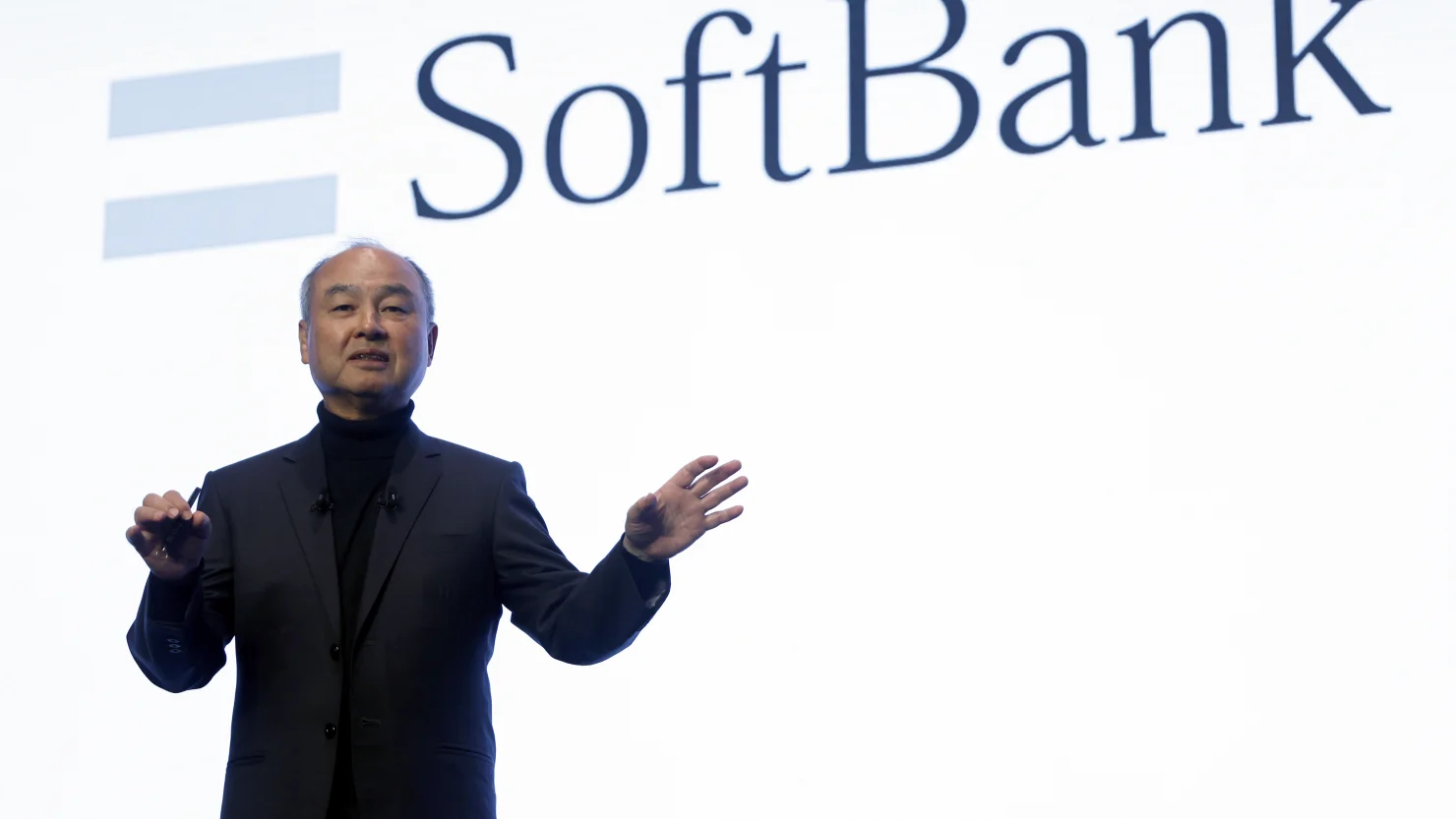
Shock Move: Why SoftBank Sold Its $5.8 Billion Nvidia Stake and What It Means for the Future of AI

SoftBank’s Surprise Exit
In a move that caught global markets off guard, SoftBank Group has sold its entire stake in Nvidia — worth around $5.83 billion. The Japanese tech conglomerate, known for its massive bets on emerging technologies, confirmed the sale in its latest earnings report, revealing that it offloaded about 32.1 million Nvidia shares in October.
The sale immediately rattled investors. SoftBank’s shares plunged as much as 10% on the Tokyo Stock Exchange, marking one of its steepest single-day drops in months. While the company’s stock later trimmed some losses, it still ended the day more than 6% lower.
The reason behind this big move? SoftBank says it’s making room for even bigger bets — specifically, a $22.5 billion investment in OpenAI, the company behind ChatGPT.
Why SoftBank Pulled the Plug on Nvidia
1. Refocusing on AI and OpenAI
SoftBank’s leadership made it clear: the decision wasn’t about losing faith in Nvidia. Instead, it’s part of a long-term strategy to pivot toward artificial intelligence and related technologies. With AI models like ChatGPT transforming industries, SoftBank wants to be at the center of that revolution — not just an investor in the hardware that powers it.
The company plans to redirect funds from the Nvidia sale toward its massive investment in OpenAI and other AI-focused ventures. In other words, SoftBank is betting that the next wave of profits won’t come from chips, but from the companies building intelligence on top of them.
2. Locking in Massive Gains
SoftBank bought into Nvidia years ago, well before the chipmaker became a trillion-dollar giant. Nvidia’s market value has skyrocketed, fueled by surging demand for GPUs used in AI systems. By cashing out now, SoftBank has likely locked in enormous profits — turning a strategic investment into a war chest for future growth.
Selling while the stock remains near record highs allows SoftBank to reduce risk and raise cash for its next big move, without waiting for potential market corrections.
3. Managing Debt and Diversifying Holdings
SoftBank has been known for its aggressive investment strategy, often using borrowed capital to fund large deals. Over the years, this has made the company’s balance sheet more vulnerable to market swings.
By selling a high-value, single-company stake, SoftBank can rebalance its portfolio, reduce debt exposure, and prepare for more diversified investments. This fits CEO Masayoshi Son’s vision of repositioning SoftBank as a leaner, more flexible global technology investor.
The Market’s Reaction
The news didn’t sit well with investors at first. SoftBank shares dropped up to 10% as the market processed the announcement. Some traders feared that selling Nvidia might signal concerns about the sustainability of the AI chip boom.
However, SoftBank insists the move isn’t a reflection on Nvidia’s performance or future prospects. Nvidia’s own shares only saw mild fluctuations after the news, suggesting that investors see SoftBank’s sale as a portfolio decision rather than a red flag.
Still, the move added fuel to an ongoing conversation among analysts: Has the AI stock rally — led by companies like Nvidia — gone too far, too fast?
What This Means for Nvidia
While SoftBank’s exit might look like a loss of confidence, it’s more of a natural transition. Nvidia’s stock has risen dramatically in recent years, making it one of the most valuable companies on Earth. It’s common for early investors to take profits after such a run.
In the short term, Nvidia might feel some pressure from large-scale sales like this, but its fundamentals remain strong. The company continues to dominate the AI hardware space, with no major competitors close to matching its technology leadership.
For Nvidia, this move simply shifts one major shareholder out of the picture — but demand for its chips, driven by cloud computing and AI, is still expected to soar in the years ahead.
What’s Next for SoftBank
SoftBank’s next chapter is shaping up to be all about artificial intelligence. Masayoshi Son, the company’s visionary founder, has repeatedly said he wants SoftBank to lead the “AI revolution.” The $22.5 billion investment in OpenAI is just one part of that ambition.
Beyond OpenAI, SoftBank is exploring investments in AI infrastructure, robotics, automation, and data-driven services. It’s clear the company wants to position itself at the heart of the new AI economy — one where software and intelligence matter as much as, if not more than, the chips that power them.
The move also reflects a strategic shift from being a passive investor in tech companies to becoming an active builder and partner in AI innovation. If SoftBank’s gamble pays off, it could once again reshape its identity — much like it did during the early days of the internet and mobile revolutions.
The Bigger Picture: From Hardware to Intelligence
SoftBank’s sale marks more than just a portfolio reshuffle. It signals a deeper change in how investors are thinking about the future of AI.
The first phase of the AI boom was all about the hardware — chips, data centers, and processing power. Nvidia dominated that space, riding a historic wave of demand.
Now, the next phase is emerging: building intelligence, applications, and services that use that hardware. Companies like OpenAI are leading this transformation, creating tools that redefine how businesses and people interact with technology.
SoftBank’s shift from owning Nvidia shares to investing in OpenAI perfectly captures that evolution — from betting on the tools that enable AI to betting on the AI itself.
What Investors Should Watch
- SoftBank’s AI Strategy – How effectively the company invests its new capital in AI ventures will determine whether this move pays off or backfires.
- OpenAI’s Valuation – A $22.5 billion investment is massive. If OpenAI continues to grow rapidly, SoftBank’s bet could yield huge returns.
- Nvidia’s Next Moves – While SoftBank exits, Nvidia continues to innovate. New chips, partnerships, or price movements could quickly change market sentiment again.
- AI Market Volatility – As more money floods into AI, valuations are climbing fast. The risk of an AI “bubble” is real — and investors will be watching closely.
Final Thoughts
SoftBank’s decision to sell its entire Nvidia stake marks the end of one chapter and the start of another. It’s a calculated move — taking profits from one of the greatest stock runs of the decade and redirecting that capital toward what could be the next technological frontier.
While some investors panicked at the news, others see this as a classic SoftBank strategy: bold, high-risk, and potentially high-reward. If SoftBank’s AI bets succeed, this sale could be remembered not as a retreat, but as a brilliant repositioning.
For now, the message is clear: SoftBank isn’t stepping away from AI — it’s diving in deeper than ever before.

