
COP30 Kicks Off in Brazil — But Trump’s Absence Leaves a Gaping Hole in the Global Climate Push

The World Meets in the Amazon — Without America’s Leadership
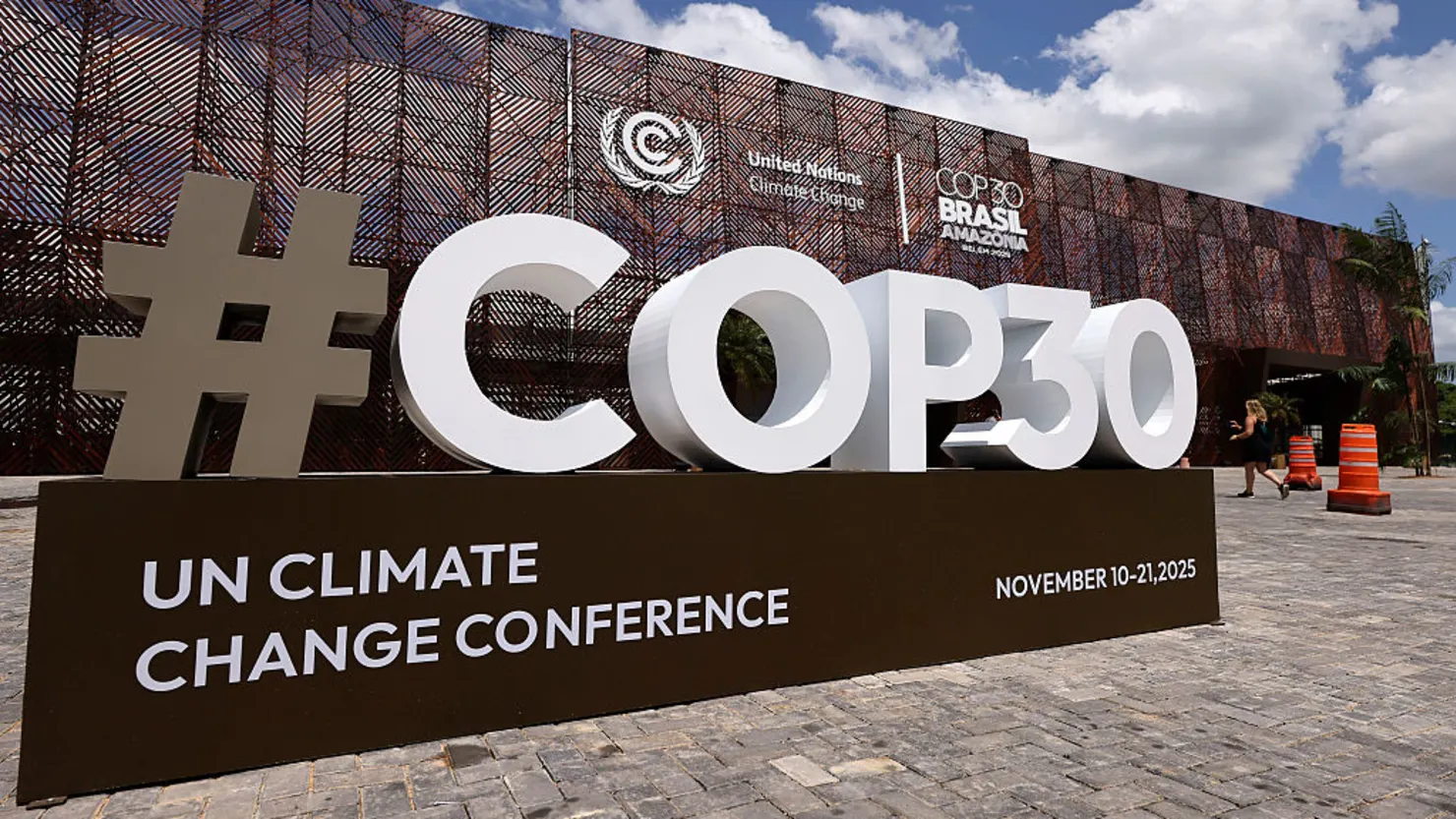
The world has gathered in Belem, Brazil, for one of the most important climate summits in history — COP30. Delegations from nearly every nation have descended on the edge of the Amazon rainforest to confront the accelerating climate crisis. But this year’s summit is missing something big: the United States.
In a stunning move, the Trump administration has confirmed that it will not be sending any high-level officials to COP30. For the first time in the history of U.N. climate conferences, the world’s largest economy and second-largest emitter of carbon will have no significant presence at the negotiating table.
The absence has sent shockwaves through the summit before it even began, with many wondering whether global climate diplomacy can truly move forward without America on board.
A Climate Summit at a Critical Crossroads
COP30 — short for the 30th Conference of the Parties to the U.N. Framework Convention on Climate Change — comes at a time when the world can no longer ignore the consequences of a warming planet. From deadly floods and wildfires to record-breaking heatwaves, the climate crisis is now impossible to deny.
But despite growing urgency, political will has started to fade. Global conflicts, economic challenges, and rising populism have pushed climate action down the list of international priorities.
Belem, located in the heart of the Amazon — often called the “lungs of the Earth” — serves as a symbolic reminder of what’s at stake. The rainforest absorbs massive amounts of carbon dioxide but continues to shrink under the pressure of deforestation, mining, and agriculture.
Trump’s Absence Sends Mixed Signals
The White House’s decision not to send a senior delegation to COP30 has sparked frustration among climate advocates and foreign diplomats. The U.S. has traditionally played a leading role in shaping climate agreements — from the landmark Paris Accord to global carbon reduction frameworks.
Now, with Washington stepping back, analysts fear that momentum could stall.
Anna Aberg, a research fellow at Chatham House in London, said that while the absence of the Trump administration might be a relief to some, it still sends a troubling signal. “On one hand, it removes a potential obstacle to progress,” she noted. “On the other, it underscores how deeply divided global politics around climate action have become.”
Without U.S. participation, she added, “the path forward will depend heavily on how Europe, China, and emerging economies like Brazil and India decide to act.”
Can the World Move Forward Without the U.S.?
The big question hanging over COP30 is whether global progress is even possible without full U.S. engagement. The country remains a major driver of global emissions — and a key source of funding and technology for clean energy projects worldwide.
European nations, led by Germany and France, are expected to push for renewed cooperation, while Brazil — the host nation — is trying to rally developing countries behind a unified call for climate justice. China, meanwhile, arrives with mixed intentions: balancing its massive renewable investments with continued reliance on coal.
For many, the summit is a test of whether the world can still cooperate in an era of fragmentation.
Brazil Takes the Lead on the Global Stage
Hosting COP30 gives Brazil a powerful platform to showcase its environmental leadership — and highlight the importance of protecting the Amazon. President Luiz Inácio Lula da Silva has pledged to reverse deforestation and position Brazil as a global climate champion.
The location itself carries deep symbolism. Belem, surrounded by rivers and rainforest, represents both the beauty and the fragility of the natural world. Local leaders hope that the summit will bring not just promises but concrete action — especially financial support for countries on the front lines of climate change.
The Stakes Couldn’t Be Higher
This year’s conference isn’t just another round of diplomatic discussions — it’s a defining moment for global climate cooperation. Scientists warn that the world is running out of time to limit warming to 1.5°C above pre-industrial levels, the threshold beyond which climate impacts could become irreversible.
Yet progress has been painfully slow. Global emissions continue to rise, and many nations are still falling short of their Paris Agreement targets.
Without strong U.S. participation, climate funding and technology sharing could stall, making it harder for developing countries to transition to clean energy and build resilience against extreme weather events.
A Summit Overshadowed by Politics
Even as COP30 gets underway, geopolitics looms large. Ongoing conflicts, shifting alliances, and nationalist politics have made global cooperation more difficult than ever. For many observers, Trump’s decision to skip the summit perfectly encapsulates the challenges facing international diplomacy today: domestic politics increasingly outweigh global priorities.
Still, there’s hope that the rest of the world will step up. The European Union, Latin American countries, and Pacific island nations are expected to push for stronger emissions targets and more accountability from major polluters.
The Bottom Line
COP30 in Brazil could have been a moment of unity. Instead, it begins with a glaring absence and a tough question: can the world save the planet without one of its biggest players?
While the Trump administration’s decision to sit out may dampen expectations, it could also give other nations room to lead — perhaps with more ambition, more urgency, and fewer political distractions.
One thing is clear: the world is watching, the clock is ticking, and the Amazon — the heart of this year’s summit — is still burning.

