
The Blockbuster Weight-Loss Drug Market: What’s Driving the Boom and What’s Next

The Market So Far
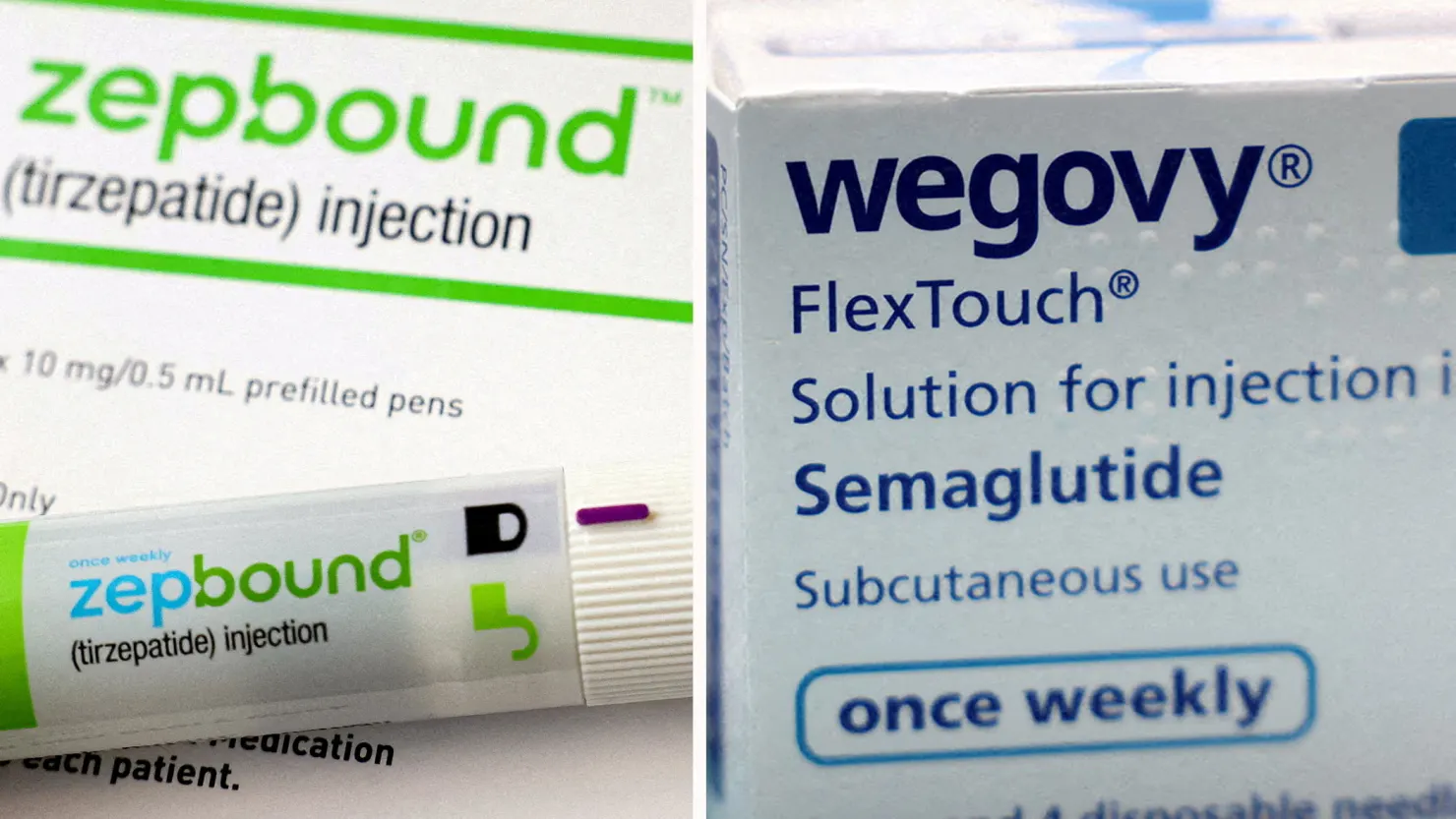
The weight-loss drug market is growing fast, and the next chapter is already starting. At the front of the pack are Eli Lilly and Novo Nordisk, both pushing hard to dominate the expanding field of drugs originally developed for diabetes (but now widely used for obesity).
These companies are focused not just on meeting current demand, but also on expanding supply, discovering new uses for their drugs, and bringing more convenient options (such as pills instead of injections) to market. Behind them, many other pharmaceutical and biotech firms are racing to claim a share of what many analysts expect could become a $ 100 billion-plus market by the end of the decade.
What’s Fueling the Growth
Huge potential patient pool
There are tens of millions of adults who meet the clinical criteria for obesity or excess weight. According to industry research, the number of people eligible for these kinds of treatments is among the largest for any new drug class in decades.
New and effective therapies
The current generation of drugs—particularly GLP-1 (glucagon-like peptide-1) receptor agonists and related medicines—have shown significantly greater weight loss than older therapies. For example, in clinical studies many patients lost over 10 % of body weight, with some losing more than 20 %.
Growing geographical reach
While the U.S. remains a primary market, growth is very strong elsewhere. The Indian market for weight-loss/anti-obesity drugs, for example, has grown rapidly in recent years and is projected to expand even faster.
Technology, delivery and pipeline innovation
Beyond the current injectable treatments, more convenient formats (oral pills, new molecules) are in development, which could open access to more patients and new use-cases.
The Competitive Landscape
Dominance of two major players
Eli Lilly and Novo Nordisk are currently the dominant names. Industry analysts expect that for the foreseeable future the obesity drug market will largely be a duopoly—with modest share for other companies entering later.
A long line of challengers
That said, many other drugmakers are in the race: biotech startups, large pharma firms, and generics manufacturers all are working on obesity-treatments, new drug classes, and alternate delivery methods. Their success will depend on effectiveness, safety, tolerability, pricing, and regulatory approvals.
New uses = more market
The current drugs are being tested or used not only for weight loss, but also for conditions related to metabolic health, cardiovascular disease, kidney disease and more. Expanding approved uses can increase both the market size and the number of eligible patients.
Big Questions and Barriers Ahead
Insurance coverage and access
High cost and limited insurance coverage remain major obstacles. Many plans do not cover weight-loss drugs, meaning patients often pay out of pocket. This limits real-world uptake, even if clinical eligibility is large.
Drug pricing
How these drugs are priced will be critical. If prices remain very high, access will lag. If and when cheaper versions or generics arrive, volumes may increase. There is uncertainty about how rapidly cost reductions will occur, particularly given the complexity of biologic drugs.
Duration of treatment and long-term outcomes
These drugs are relatively new for weight management. Questions remain about how long patients will stay on therapy, whether weight is sustained after stopping, and what long-term side-effects might emerge.
Pills vs. injections
Injectables dominate today. Pills could open access to more patients and lower delivery barriers—but they may come with different efficacy or tolerability profiles. The market shift from injections toward pills is not guaranteed, and it may take years.
Copycat and counterfeit treatments
Due to high demand and high prices, there has been usage of compounded versions or non-branded variants, which brings risks of safety and regulatory challenges. Ensuring quality and safety will remain important.
What’s Coming Next
More convenient delivery methods
Look for more oral drugs or less-frequent dosing formulations. These may attract patients who are hesitant about injections and could drive further growth.
Expansion into new conditions and patient populations
Beyond obesity alone, drugmakers will push into broader metabolic conditions, earlier intervention, perhaps prevention treatments. This could expand the total number of eligible patients.
Generics and biosimilars
As patents expire or treatment methods evolve, generics and biosimilar versions may emerge—potentially lowering cost, increasing access, and boosting volume but also adding competition.
Global growth
Emerging markets—including India, parts of Asia, Latin America—represent major growth potential. Local pricing, regulatory regimes and infrastructure will affect how fast growth happens outside the U.S.
Impact on health systems and society
Some research suggests these therapies could reduce complications of obesity, diabetes and cardiovascular disease—potentially reducing healthcare burden, boosting productivity and even contributing to broader economic growth.
The Bottom Line
The blockbuster weight-loss drug market is entering a fast-moving phase. With major companies scaling supply, launching new treatments and extending use-cases, the growth potential is enormous. But the ultimate size and reach of the market will depend on how well the industry overcomes key challenges—cost, access, long-term outcomes and competition.
For now, those who can access the therapies are seeing meaningful results. But a key question remains: will access scale far enough to turn this market into the kind of mass-treatment paradigm that some analysts expect, or will cost, access and treatment-duration limitations restrict it to a smaller elite segment?
–––

