
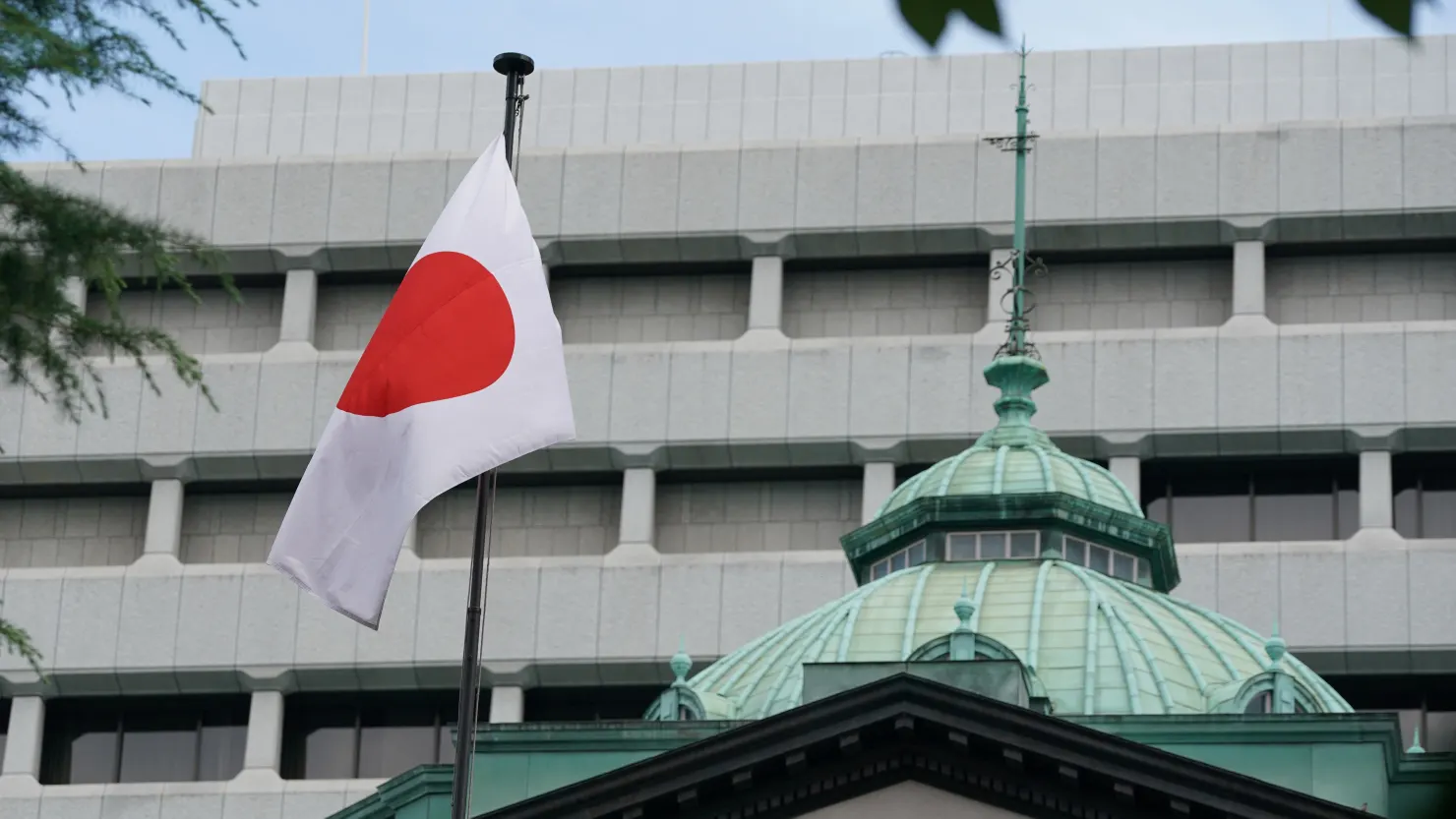
Japan’s Big Pause: Bank of Japan Keeps Rates Steady in First Move Under New PM Takaichi as Inflation Persists for 41 Months

In its first major policy meeting since Sanae Takaichi became Japan’s new prime minister, the Bank of Japan decided to keep interest rates unchanged at 0.5 percent. The move came despite inflation staying above the bank’s two percent target for 41 consecutive months, marking one of the longest periods of price growth in decades.
The decision, announced Thursday, was made by a seven-to-two vote, with two members pushing for a rate increase. The outcome reflects growing divisions within the central bank as it faces pressure to tighten policy while supporting economic recovery.
A Divided Decision
The Bank of Japan’s nine-member board voted overwhelmingly to hold the benchmark rate steady. However, Naoki Tamura and Hajime Takata called for a quarter-point hike to 0.75 percent, citing sustained inflation and rising wages as reasons to act sooner.
Their dissent underscores a growing debate inside the bank. Some policymakers believe the economy is strong enough to handle higher rates, while others warn that a premature move could slow growth and weigh on exports.
The decision met most market forecasts but signals that the central bank is slowly shifting toward a more cautious tightening cycle after decades of near-zero interest rates.
Inflation Remains Stubborn
Inflation in Japan has now stayed above two percent for 41 straight months. The rise in prices has been driven by higher import costs, energy prices, and stronger wage growth.
Although the trend shows progress toward stable inflation after years of deflationary pressure, many households are feeling the strain. Rising food and utility costs have eroded spending power, creating political pressure on the government to take action.
The Bank of Japan continues to argue that inflation is partly influenced by temporary factors and that long-term expectations remain modest. Still, it faces growing calls to follow other major central banks in tightening policy.
Market Reaction
Financial markets responded calmly to the decision. The yen weakened slightly, trading 0.2 percent lower at 153.03 against the dollar. Ten-year Japanese government bond yields were mostly steady, while the Nikkei 225 index rose 0.4 percent.
Analysts said the muted reaction reflected the fact that investors had already priced in a hold decision. However, speculation is building that the Bank of Japan could raise rates in the coming months if inflationary pressure continues.
Expert Views
Krishna Bhimavarapu, Asia-Pacific economist at State Street Investment Management, said the odds of a rate hike in the next two policy meetings have increased.
She noted that once global trade volatility eases, the central bank will likely begin adjusting its stance gradually over the next year. According to her, policymakers still prefer a slow approach to avoid disrupting Japan’s fragile recovery.
Prime Minister Takaichi’s Economic Balancing Act
For new Prime Minister Sanae Takaichi, the central bank’s decision represents one of her first major economic tests. She faces the challenge of maintaining growth while addressing the public’s frustration over higher living costs.
Takaichi has expressed support for raising household incomes and strengthening domestic industries, but she has also emphasized the importance of maintaining financial stability. Her administration is expected to work closely with the central bank to coordinate fiscal and monetary policies.
Observers say that Takaichi’s leadership could influence the tone of Japan’s future economic strategy, especially as global conditions remain uncertain.
Looking Ahead
While the Bank of Japan held firm this time, many economists believe that a rate hike could come in early 2026 if inflation remains persistent. Wage increases and firm consumer demand are strengthening the case for gradual tightening.
Unlike the United States or Europe, Japan remains cautious after years of battling deflation. The central bank does not want to risk reversing the fragile progress it has made. Still, if inflation continues to run above target, patience may start to wear thin inside the boardroom.
The Bank of Japan’s first policy move under Prime Minister Sanae Takaichi sends a clear message of caution. By keeping rates at 0.5 percent, the central bank is prioritizing stability over rapid change.
Yet, with inflation running high and two board members already pushing for action, the pressure to raise rates will likely grow. The coming months will test how long the Bank of Japan can maintain its careful balance between supporting growth and containing prices in a shifting global economy.

