
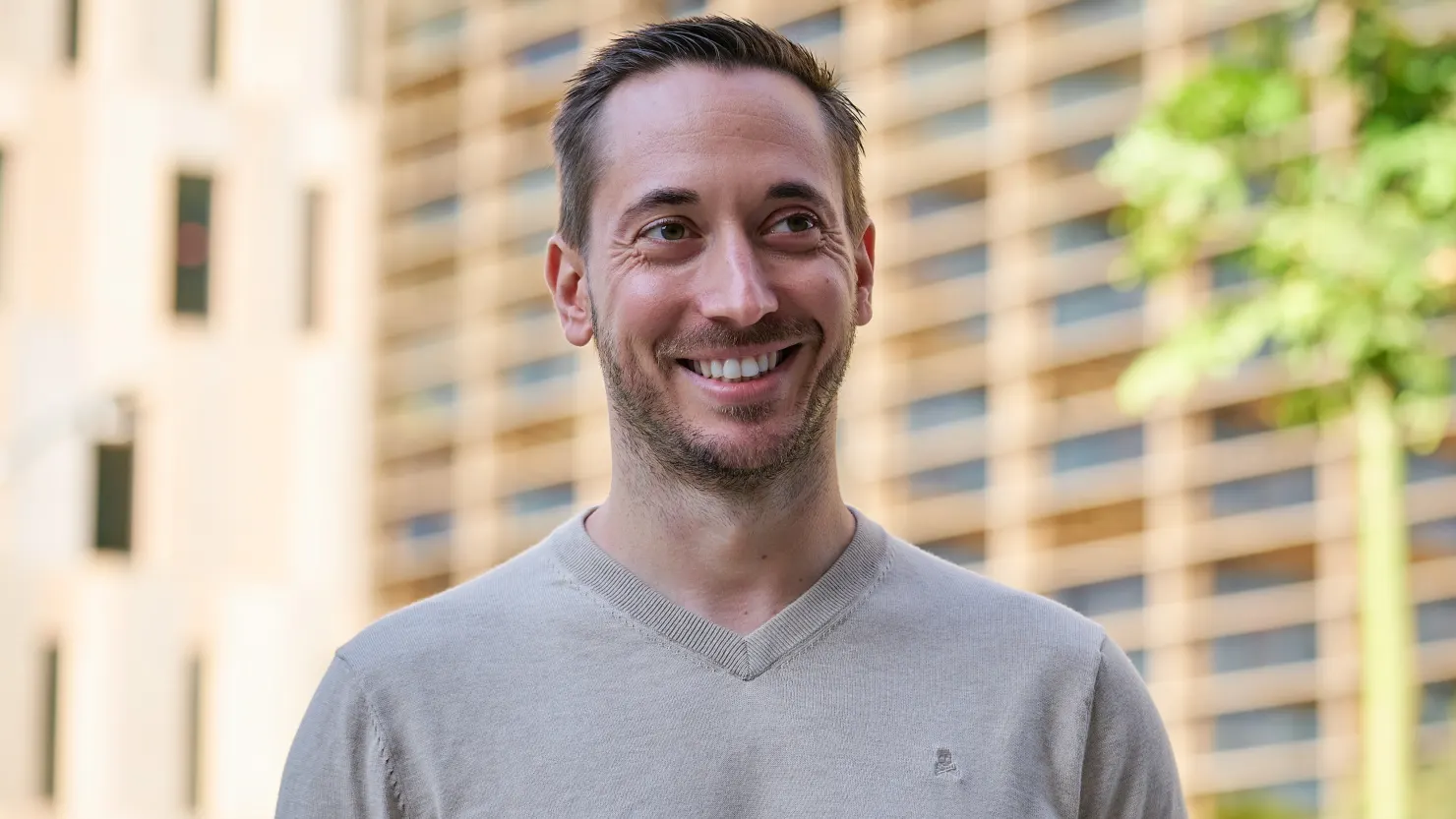

How a 30-Minute Chat Turned Into a Multi-Billion-Dollar Bet
In 2022, when most investors were still figuring out what to make of generative AI, venture capitalist Carles Reina made a bold move. After just a half-hour conversation with a founder, he decided to invest in what would become one of the fastest-growing AI startups in the world—ElevenLabs.
At the time, the company had no concrete product, only a vision and two ambitious founders. Today, that same company is valued at over $3.3 billion—and even higher in secondary share sales.
So what made Reina take the leap after just one meeting? Let’s break down how this quick decision turned into one of the smartest early bets in AI.
The Birth of ElevenLabs: Turning a Problem Into an Opportunity
ElevenLabs was founded in 2022 by Mati Staniszewski and Piotr Dąbkowski. The idea was born out of frustration. Growing up in Poland, Staniszewski noticed how bad film dubbing and voice translations often were—flat, emotionless, and robotic. He believed that artificial intelligence could finally make voiceovers sound natural, emotional, and lifelike.
Together, the two founders set out to build the world’s most realistic text-to-speech and voice-cloning technology. Their goal wasn’t just better dubbing—it was to make human-sounding voices accessible in any language, for anyone creating digital content.
That vision quickly started to resonate across industries: audiobooks, podcasts, video games, film dubbing, accessibility tools, and more. Voice was becoming the next big frontier for AI, and ElevenLabs wanted to lead the way.
The Investor Who Saw It Early
When Carles Reina first met Staniszewski, ElevenLabs was still in its earliest days. Reina, then a venture partner at Concept Ventures, was working at Palantir Technologies at the time—a company known for cutting-edge data and AI solutions.
In that short meeting, something clicked.
Reina wasn’t just impressed by the product idea—because there really wasn’t one yet. What convinced him was the clarity and conviction of the founder’s vision.
1. The Founder Factor
Investors often say they bet on people, not products—and this was a perfect example. Staniszewski’s deep understanding of AI’s potential and his determination to solve a real-world problem stood out. He and Dąbkowski had both worked at major tech firms and knew what it took to build and scale complex systems.
Reina saw founders who didn’t just want to build cool tech—they wanted to solve something meaningful and massive.
2. Spotting a Market Gap
At the time, the AI world was obsessed with text and image generation. But voice—the way humans naturally communicate—was still relatively untouched.
Reina realized that if AI could make voice truly human-sounding, the market potential would be enormous. From entertainment to education to customer service, natural AI voices could transform how people and businesses interact with technology.
That insight was enough to make him move fast.
3. Trusting Instinct Over Spreadsheets
Venture investing often comes down to timing. Move too early, and you risk betting on something that never materializes. Move too late, and you miss the upside.
Reina decided that ElevenLabs’ idea—and its founders—were too promising to wait on. He trusted his gut, knowing that in early-stage investing, conviction often matters more than certainty.
His decision wasn’t based on market data or prototypes—it was based on belief in the people behind the vision.
From Seed to Billion-Dollar Success
Reina’s early investment proved prescient. Within just a couple of years, ElevenLabs exploded onto the AI scene.
In early 2025, the company announced a $180 million Series C funding round, bringing its valuation to $3.3 billion. Later that year, employees were allowed to sell shares at a $6.6 billion valuation—a staggering climb in just three years.
ElevenLabs’ tools became widely adopted by creators, studios, and developers. Their platform could replicate any voice—real or synthetic—while maintaining emotion, pacing, and tone. What once sounded robotic now sounded human.
The company had officially become one of the defining players in the AI voice revolution.
Lessons From a 30-Minute Decision
The story of Carles Reina and ElevenLabs offers a powerful lesson for founders and investors alike.
For Founders: Clarity Wins
You don’t need a finished product to convince the right investor. What matters is vision, passion, and the ability to communicate why your idea should exist. Reina didn’t invest in code—he invested in conviction.
For Investors: Speed Matters
In venture capital, hesitation can cost you the deal of a lifetime. Reina trusted his instincts and made a fast, bold decision. That decisiveness helped him back one of the biggest AI success stories of the decade.
For Everyone: Focus on What Feels Inevitable
Voice is fundamental to how humans interact. Betting on voice AI wasn’t just a gamble—it was a bet on something that felt destined to become mainstream.
The Big Picture
In hindsight, Reina’s 30-minute meeting might seem like luck. But in reality, it was about preparation meeting opportunity. He understood technology, recognized talent, and didn’t let fear slow him down.
Today, ElevenLabs stands as proof that transformative ideas often start small—with just a conversation, a shared vision, and someone willing to take a chance.
Sometimes, that’s all it takes to turn a half-hour meeting into a multi-billion-dollar success story.

