
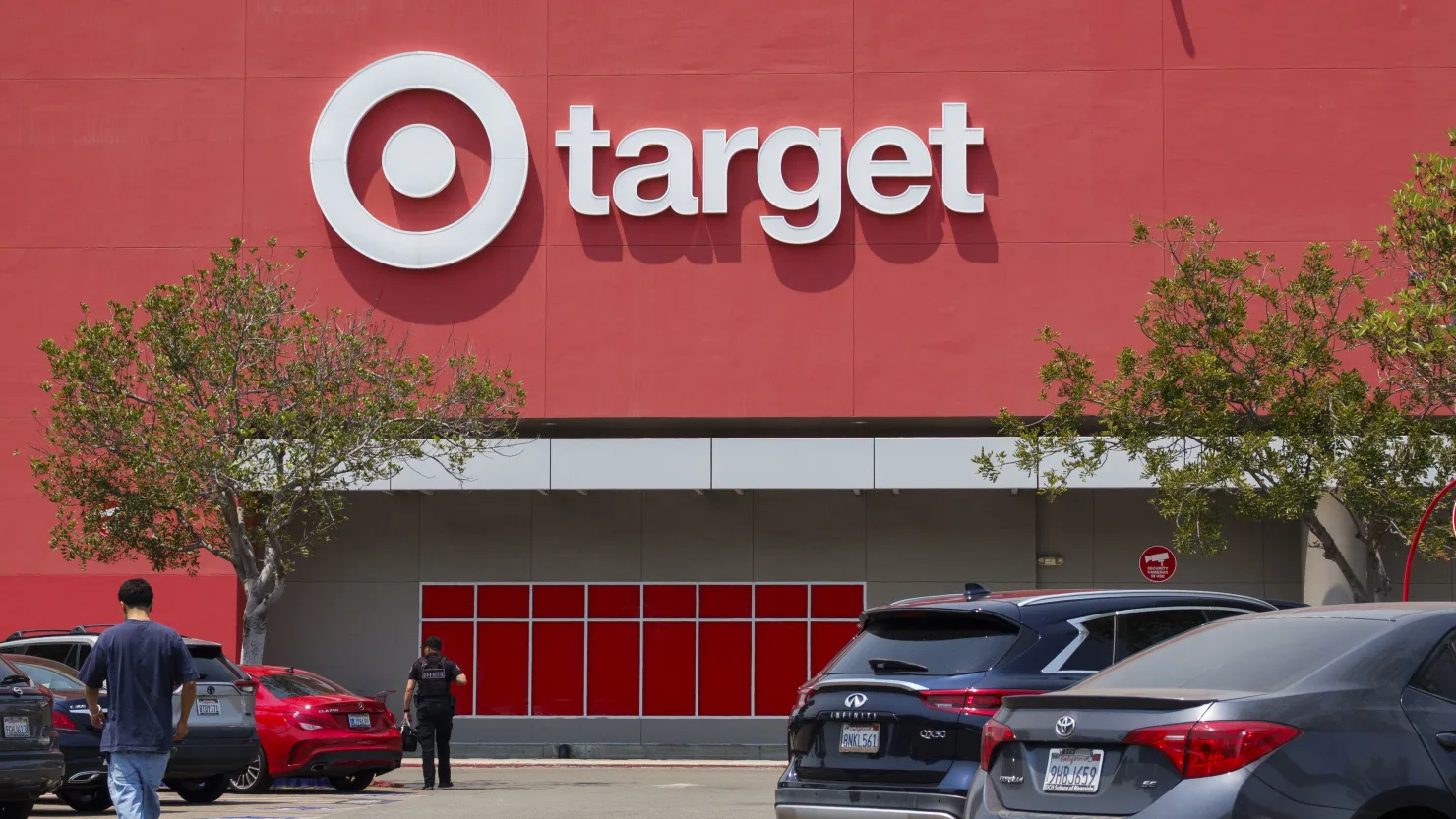
Target Just Fired 1,800 Employees — The Start Of A Massive Shake-Up Before Its New CEO Takes Over

Target has just made one of its biggest moves in a decade, and it’s sending shockwaves through the retail world. The company announced it will cut 1,800 corporate jobs, its largest round of layoffs in ten years, as it struggles with slowing sales and prepares for a major leadership transition.
This restructuring comes as Target tries to regain momentum after four years of flat growth. With inflation cutting into profits and competition from rivals like Walmart and Amazon intensifying, Target is under pressure to reinvent itself fast.
The layoffs represent roughly 8 percent of Target’s corporate workforce and include about 1,000 employees being laid off along with 800 unfilled roles that will be permanently eliminated. Affected workers will be notified this week, and the company says severance and transition support will be provided.
Why Target Is Suddenly Cutting Jobs
Target’s once-strong pandemic growth has faded. Consumers are spending less on home goods, décor, and apparel — all categories that used to be Target’s bread and butter. Now, people are saving more and spending on travel, entertainment, and dining instead.
Meanwhile, inflation has raised costs across the board, from wages to logistics. The result is a company caught in a squeeze: flat sales, thinner margins, and intense competition.
Executives say the layoffs are part of a larger plan to “simplify” the business and focus on areas with the biggest growth potential. It’s a tough move for a company long known for treating employees well, but one that leadership believes is necessary to stay competitive.
A New CEO Steps In
This sweeping change comes just months before a big leadership handoff. Target’s incoming CEO, Michael Fiddelke, will officially take over on February 1. Fiddelke, who currently serves as the company’s Chief Operating Officer and previously as Chief Financial Officer, will replace longtime CEO Brian Cornell.
Known for his disciplined approach to operations and finances, Fiddelke is expected to take a leaner, more efficient direction for the company. In his memo to employees announcing the layoffs, he wrote that these decisions were “painful but necessary” to position Target for long-term success.
Cornell, who led Target’s successful rebound after its earlier struggles in the 2010s, leaves behind big shoes to fill. But Fiddelke is signaling early that he plans to shake things up and move quickly.
The Hard Truth About Target’s Challenges
Target’s problems have been building quietly for years. After riding high during the pandemic, the company was hit by shifting consumer habits, rising theft-related losses, and excess inventory that forced heavy markdowns.
At the same time, shoppers have grown more price-sensitive. Many have flocked to Walmart and Costco for cheaper groceries and essentials, leaving Target to fight harder for every sale. Even as Target expanded its private-label brands and improved online delivery, it hasn’t been enough to bring back strong growth.
The layoffs reflect a larger trend across the retail industry — big companies cutting costs and restructuring to survive in a new era of digital-first, value-driven shopping.
Inside The Layoffs
The 1,800 job cuts focus entirely on corporate teams, with no impact on store or warehouse workers. Most affected departments include marketing, technology, and operations.
The company said about 1,000 employees will be laid off directly, while 800 open roles will be removed from its hiring plans altogether. Together, that’s nearly one-tenth of its entire corporate staff.
Employees losing their jobs will receive severance pay and career transition support. While Target hasn’t disclosed the total financial impact of the layoffs, the restructuring is expected to save the company millions annually.
What Analysts Are Saying
Analysts see this as a bold but risky move. Target has always been known for its employee-friendly image and strong company culture. Large-scale layoffs could hurt morale, but experts say the company had few other options.
Some believe the cuts could be a turning point that helps Target refocus on efficiency and innovation. By streamlining corporate operations, Target may have more flexibility to invest in pricing, product development, and technology.
Others, however, warn that this could signal deeper trouble. With sales stagnant and consumers tightening their wallets, cutting jobs might not be enough to turn the tide.
What’s Next For Target
This marks Target’s first major corporate layoff since the mid-2010s, when it restructured its digital business to compete with Amazon. Now, it’s once again in transformation mode — but the stakes are higher than ever.
The company plans to double down on its e-commerce platform, expand curbside pickup and delivery options, and strengthen its private-label brands, which have been strong performers. It also wants to make stores more efficient and convenient for shoppers, blending in-person and digital experiences.
If Fiddelke can pull off this balancing act — cutting costs without killing innovation — he could set the stage for a new era of growth.
The Bottom Line
Target’s decision to cut 1,800 corporate jobs marks the end of an era and the start of a major transformation. The retailer is betting that slimming down now will make it stronger later.
But this move is a gamble. Can the new CEO revive Target’s sales, boost morale, and outmaneuver fierce competitors — all while managing the biggest layoffs in a decade?
Only time will tell, but one thing’s clear: Target is no longer playing it safe. The retailer is making bold moves to stay alive in a retail world that’s changing faster than ever.

