
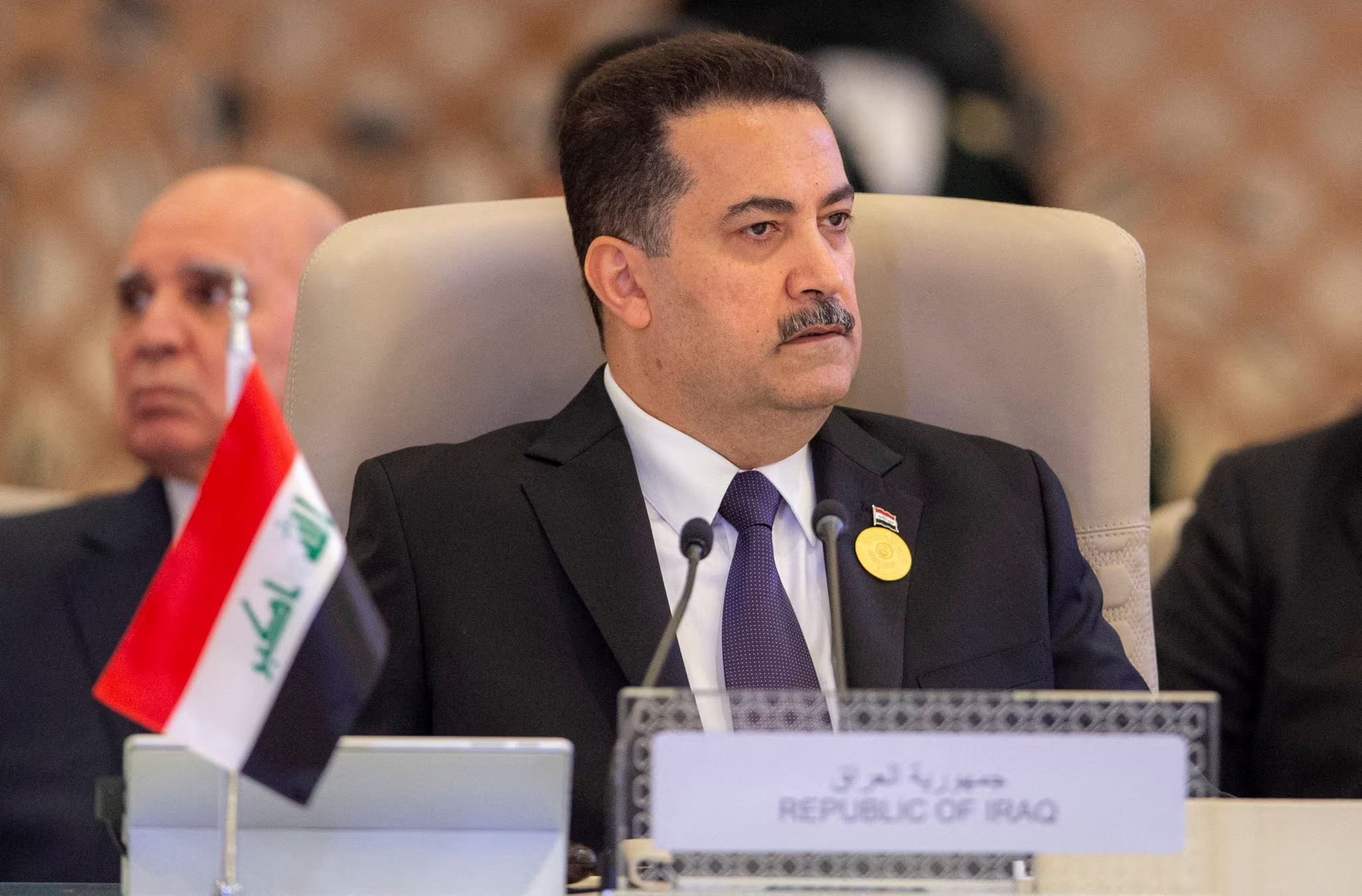
Iraq’s Bold Move: Ending $4 Billion Gas Imports from Iran by 2028 – A Game-Changer for Energy and Economy

In a groundbreaking shift aimed at transforming its energy landscape, Iraq has announced an ambitious plan to completely end its $4 billion gas imports from Iran by 2028. This decisive move is part of Iraq’s broader strategy to diversify its economy beyond oil and harness its own untapped gas resources, signaling a major transformation for the country’s power sector and economic future.
The Costly Dependence on Iranian Gas
For years, Iraq has relied heavily on importing natural gas from neighboring Iran, spending billions annually to meet its domestic energy needs. Despite being one of the world’s largest oil producers, Iraq’s gas sector has remained underdeveloped, forcing it to import expensive gas to fuel its power plants and meet growing electricity demand.
This reliance on Iranian gas has not only strained Iraq’s finances but also made it vulnerable to geopolitical tensions and supply disruptions. The hefty $4 billion price tag on these imports has been a significant drain on the country’s economy, prompting urgent calls for change.
Flared Gas: Iraq’s Hidden Treasure
What makes Iraq’s new plan particularly promising is its focus on capturing and utilizing gas that is currently wasted through flaring. Oil production releases large volumes of natural gas, but due to inadequate infrastructure and investment, much of this gas is simply burned off in the open air—a process known as flaring.
Flaring is both an economic loss and an environmental hazard, contributing significantly to pollution and greenhouse gas emissions. However, this wasted gas represents a massive untapped resource worth an estimated $4 to $5 billion annually.
By capturing this gas and processing it for domestic use, Iraq aims to drastically reduce flaring while simultaneously boosting its energy self-sufficiency. This approach could turn a costly waste product into a valuable asset that powers homes, industries, and businesses.
Powering Iraq’s Future: Solving Chronic Energy Shortages
One of Iraq’s most pressing problems is its chronic power shortages, which have long hindered economic growth and affected the daily lives of millions of citizens. Electricity blackouts are frequent, especially during peak summer months when demand skyrockets.
The new gas capture and processing projects are expected to ease these shortages significantly by providing a reliable, homegrown energy source. Increased gas availability will fuel power plants more efficiently and reduce dependence on imports, paving the way for stable electricity supply across the country.
Attracting Foreign Investment and Modernizing Infrastructure
To realize this vision, Iraq has already signed deals with foreign investors who bring the expertise and capital needed to build the infrastructure required for gas recovery and processing. These investments will help modernize Iraq’s energy sector, introducing advanced technology and best practices to maximize gas capture and utilization.
The influx of foreign capital is also a vote of confidence in Iraq’s potential to develop a competitive and sustainable energy industry beyond oil. It signals a turning point where Iraq is not just an oil exporter but a nation leveraging its entire hydrocarbon portfolio.
Economic and Environmental Impact
Iraq’s plan to end gas imports and curb flaring will have far-reaching effects on both its economy and environment. Economically, the move is expected to save billions in import costs, reduce energy bills, and create new jobs in the gas and energy sectors.
Environmentally, cutting flaring will reduce greenhouse gas emissions and improve air quality, aligning Iraq with global efforts to combat climate change. This transition is not just good business—it’s a crucial step towards sustainable development.
Challenges Ahead: Infrastructure, Politics, and Security
While Iraq’s goals are ambitious and promising, the road ahead is fraught with challenges. Developing gas infrastructure requires significant investment, technical expertise, and coordination across multiple government agencies.
Moreover, Iraq’s political landscape remains complex, with internal divisions and security concerns that could impact project timelines and investor confidence. Overcoming bureaucratic hurdles and ensuring stable governance will be key to successfully implementing this energy transition.
A Model for Other Oil-Dependent Nations
Iraq’s strategy could serve as a blueprint for other oil-dependent countries facing similar challenges. Many oil producers flare vast amounts of gas due to lack of infrastructure, missing out on potential revenue and exacerbating environmental problems.
By prioritizing gas recovery and reducing import dependence, Iraq is leading the way towards a more diversified and sustainable energy future—proving that even countries rich in oil can innovate and adapt.
Iraq’s Race to Energy Independence
Iraq’s pledge to end $4 billion gas imports from Iran by 2028 is a bold declaration of energy independence and economic resilience. By turning wasted flared gas into a valuable domestic resource, the country is positioning itself to solve chronic power shortages, save billions, and reduce environmental harm.
As Iraq races to diversify beyond oil, this strategy represents a critical step in building a modern, sustainable energy sector that can power its economy and improve the quality of life for millions. The coming years will be crucial in determining whether Iraq can transform its vast hydrocarbon wealth into lasting prosperity.

