
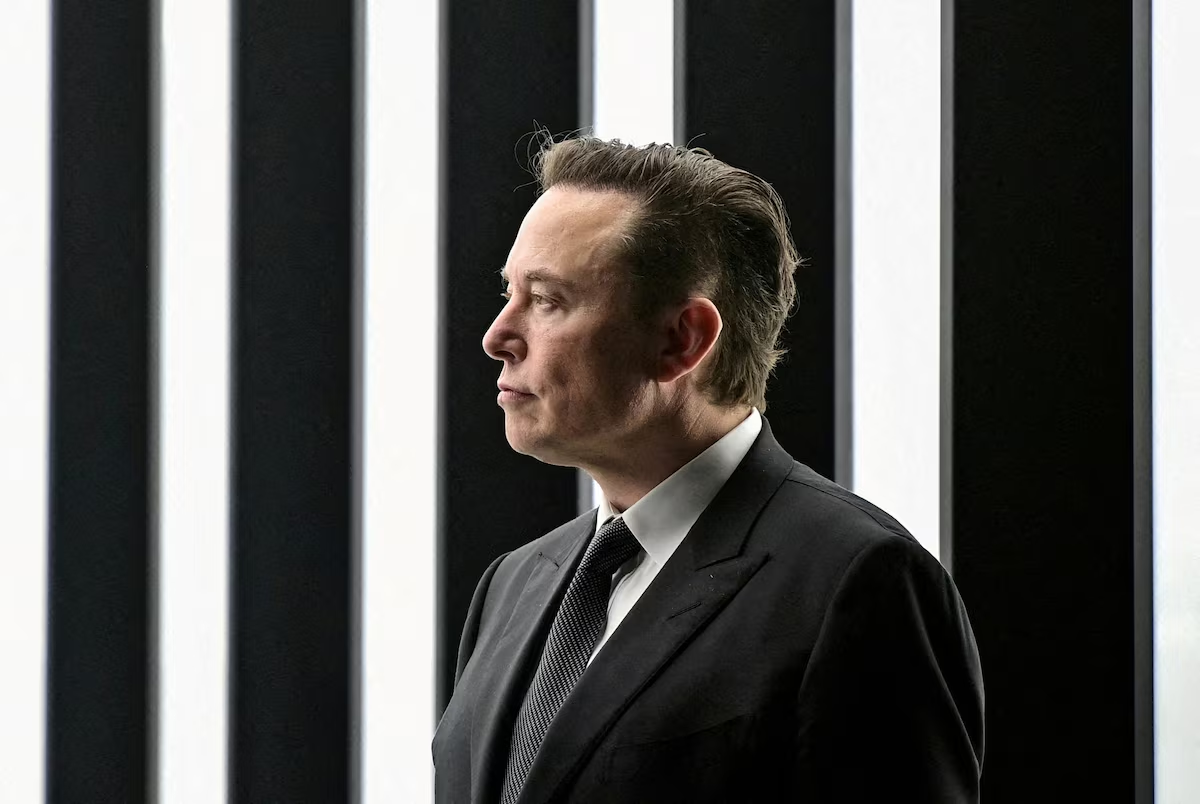
Elon Musk’s $1 Trillion Pay Package Sparks Backlash from Shareholders and State Officials

Elon Musk’s $1 Trillion Pay Package Faces Fierce Pushback
Elon Musk’s astronomical $1 trillion pay package at Tesla is under fire. A coalition of Tesla shareholders, including SOC Investment Group and several state officials, is urging investors to vote against the package at the company’s November shareholder meeting.
The regulatory filing, released Thursday, revealed that the coalition is also calling for opposition to the re-election of three Tesla board directors: Ira Ehrenpreis, Joe Gebbia, and Kathleen Wilson-Thompson.
Who’s Leading the Opposition
The coalition is made up of a mix of institutional investors and state officials, including the treasurers of Nevada, New Mexico, and Connecticut. In a letter to Tesla shareholders, they emphasized concerns over the size and structure of Musk’s pay plan, calling it excessive even by Wall Street standards.
The move highlights growing scrutiny over executive compensation, especially for high-profile CEOs like Elon Musk, whose wealth and influence already make him one of the most powerful figures in global business.
Why Investors Are Worried
Critics argue that Musk’s proposed pay package—valued at a mind-boggling $1 trillion—vastly exceeds industry norms and raises questions about corporate governance. The opposition coalition believes that such massive compensation could dilute shareholder value and set a dangerous precedent for executive pay.
“The plan is unprecedented in size and scope,” one shareholder said. “It’s not just a question of fairness—it’s about accountability and responsible governance.”
Tesla’s Board in the Spotlight
The opposition doesn’t stop at Musk’s compensation. The coalition is also pushing against the re-election of three board members, citing concerns about the board’s role in approving the pay package and overseeing executive decisions.
Investors argue that stronger board oversight is needed to ensure that Tesla’s leadership aligns with shareholder interests and long-term company performance.
Musk’s Perspective
Elon Musk has defended the plan, describing it as a performance-based package tied to Tesla hitting ambitious growth and innovation targets. He argues that the compensation is justified by the company’s success and shareholder value creation over the past decade.
However, the backlash demonstrates that even the world’s richest executives can face significant resistance when pay packages reach extreme levels.
Broader Implications
The controversy has wider implications for corporate governance and executive compensation. Tesla’s high-profile case could spark discussions across the tech and automotive industries about the limits of CEO pay, shareholder rights, and the role of institutional investors in holding boards accountable.
State treasurers participating in the opposition also signal growing political and regulatory attention on executive compensation, especially for companies with substantial public influence.
What’s Next
Tesla shareholders will vote on the package and the re-election of directors at the November meeting. The outcome could influence not just Tesla’s corporate structure but also set benchmarks for executive compensation across major corporations.
Investors and market watchers around the world are keeping a close eye on the vote, which could have major repercussions for Musk, Tesla, and corporate pay norms globally.
Elon Musk’s $1 trillion pay package has triggered a rare show of opposition, with shareholders and state officials banding together to push back against what they see as excessive executive compensation.
The November shareholder meeting promises to be a critical showdown, testing the balance between CEO ambitions and shareholder oversight, and shaping the conversation on corporate governance in the era of ultra-wealthy executives.

