
Fed Holds Rates Steady Amid Iran War Uncertainty: What It Means for Your Wallet

Federal Reserve Keeps Interest Rates Unchanged
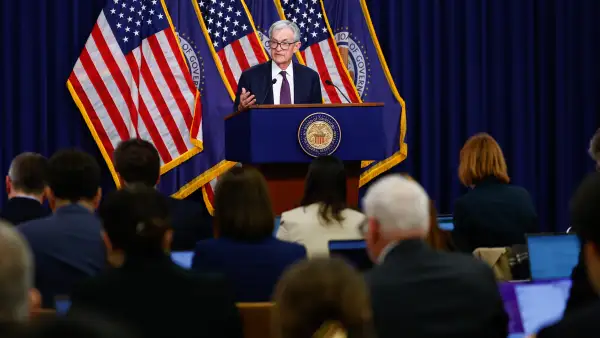
The Federal Reserve has voted to keep its benchmark interest rate steady, maintaining the federal funds rate in a range of 3.5%–3.75%. The decision came during a meeting of the Federal Open Market Committee (FOMC), which approved the move by a vote of 11-1.
Policymakers are balancing several challenges: higher-than-expected inflation, mixed signals in the labor market, and the ongoing war in the Middle East, particularly the conflict involving Iran.
Why the Fed Held Rates
Inflation and Labor Market Signals
Although inflation remains above the Fed’s ideal target, the central bank noted that the economy shows uneven signs of strength. Some sectors are performing well, while others signal a slowdown, creating uncertainty in the policy outlook.
Global Uncertainty
The war in Iran adds a layer of complexity, particularly in energy markets. Policymakers flagged that its effects on inflation, supply chains, and broader economic stability remain uncertain, justifying a cautious approach for now.
Economic Projections
The Fed’s post-meeting statement indicated:
- A slightly faster pace of economic growth than previously expected
- Higher inflation projections for the year
- Ongoing uncertainty due to global events, especially geopolitical risks
By keeping rates steady, the Fed aims to avoid derailing growth while monitoring how inflation and labor market trends develop.
Impact on Consumers and Businesses
Borrowing Costs
With rates unchanged, banks’ overnight borrowing costs remain stable, which influences:
- Mortgage and loan rates for households
- Business lending and investment costs
- Consumer spending and borrowing behavior
This stability provides some relief for borrowers, but the ongoing inflation and energy price pressures could still affect household budgets.
Market Reactions
Financial markets tend to respond to both the decision and the Fed’s commentary on economic conditions. Investors will closely watch for signals about future rate adjustments as the situation in the Middle East evolves.
What to Expect Next
The Fed is likely to remain data-driven, adjusting its policy as new information on inflation, employment, and global risks becomes available. Analysts expect:
- Careful monitoring of energy prices linked to geopolitical tensions
- Adjustments in future meetings if inflation persists or economic growth falters
- A cautious approach until more clarity emerges on global uncertainties
Final Thoughts
The Federal Reserve’s decision to hold rates steady reflects a delicate balancing act. Policymakers are attempting to control inflation while avoiding harm to economic growth amid an unpredictable global environment.
As the impacts of the Iran war continue to unfold, both consumers and businesses will need to navigate uncertainty in energy prices, inflation, and borrowing costs in the months ahead.

