
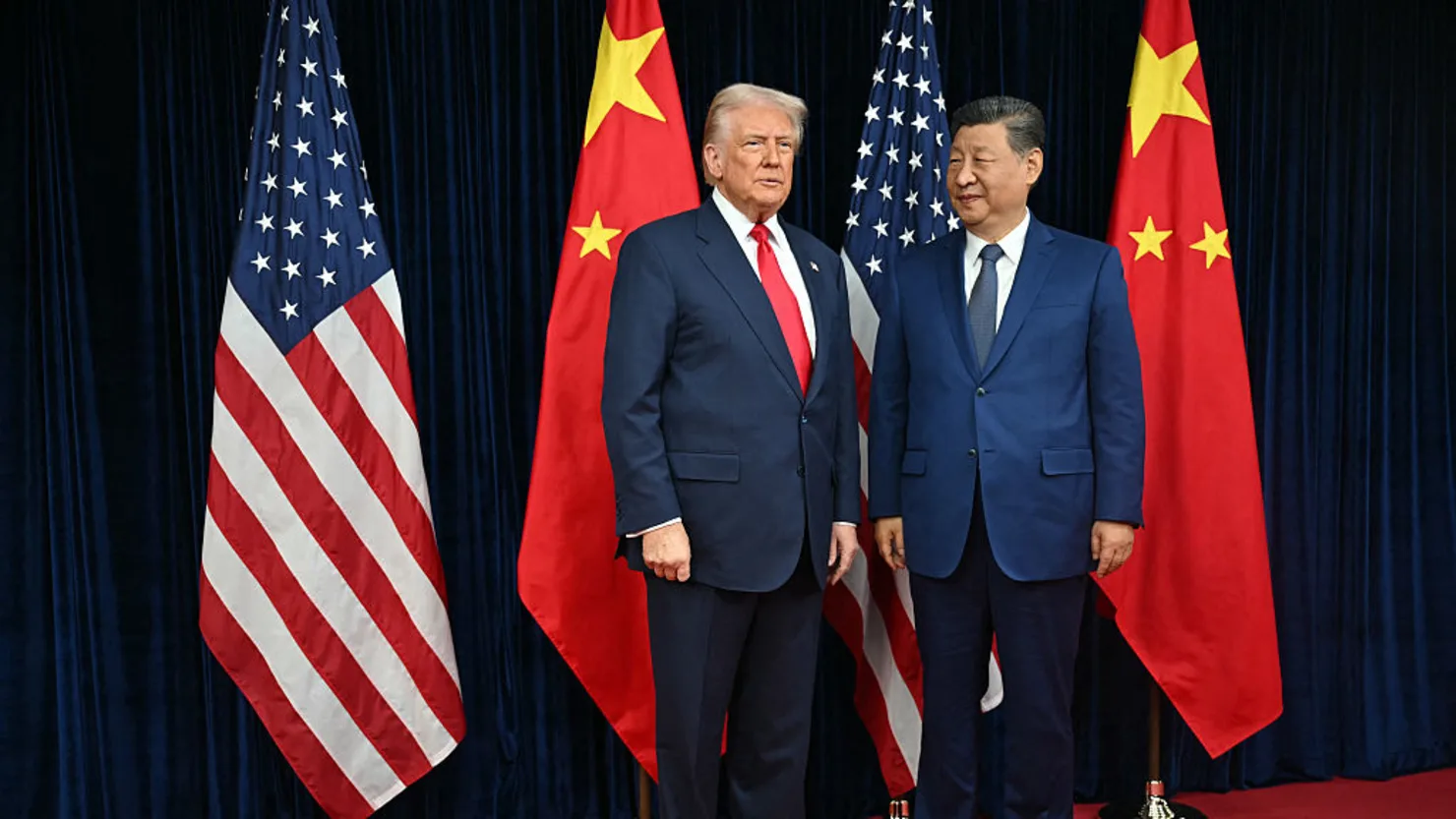

The United States has intensified trade pressure on China by launching a new Section 301 investigation just weeks before a planned summit between Washington and Beijing.
Although the probe covers more than a dozen trading partners, analysts say the move clearly targets China’s trade practices. The timing of the investigation adds another layer of tension to the already delicate relationship between the world’s two largest economies.
The development comes at a time when both sides are trying to maintain a fragile trade truce while continuing to compete economically and strategically.
What the Section 301 Probe Means
Section 301 of the U.S. Trade Act allows the United States government to investigate and respond to unfair trade practices by foreign countries.
If the investigation finds evidence of harmful policies or practices, Washington can impose tariffs or other trade restrictions without requiring additional approval from Congress.
The tool has been used several times in the past to address issues such as intellectual property disputes, unfair subsidies, and market access barriers.
In this case, the new probe adds further pressure on global trading partners while particularly highlighting concerns related to China’s trade practices.
China’s Export Engine Continues to Grow
Despite criticism from several global trading partners, China’s export sector has remained strong in recent months.
The country’s export-driven economic model continues to play a major role in sustaining growth. Many industries rely heavily on overseas demand, which has helped China maintain large trade surpluses with several economies.
However, this reliance on external markets has drawn increasing criticism from other countries that argue it creates imbalances in global trade.
Some policymakers in the United States and Europe believe China’s industrial policies and production capacity contribute to unfair competition in global markets.
Rising Global Concerns Over Trade Imbalances
China’s export strength has long been a sensitive issue in international trade discussions.
Critics argue that large-scale production and strong government support for certain industries allow Chinese companies to dominate global markets. This can make it difficult for manufacturers in other countries to compete.
These concerns have led to growing calls for stronger trade enforcement measures and closer monitoring of supply chains.
The newly launched Section 301 investigation appears to reflect this broader trend of increased scrutiny toward global trade practices.
Upcoming U.S.–China Summit Faces Low Expectations
The latest trade probe comes just weeks before a scheduled summit between the United States and China in Beijing.
While diplomatic meetings between the two countries are often seen as opportunities to resolve disputes, expectations for a major breakthrough appear limited this time.
Analysts suggest that both governments may simply aim to maintain the current fragile stability in their relationship rather than pursue sweeping agreements.
Given the complex issues involved — including trade, technology competition, and geopolitical tensions — meaningful progress may be difficult to achieve in a single meeting.
Fewer U.S. Business Leaders Expected to Attend
Another sign of the cautious atmosphere surrounding the summit is the apparent decline in plans for American corporate participation.
Earlier reports suggested that several American executives might accompany the U.S. delegation to Beijing. However, that possibility now appears to be fading.
According to Han Shen Lin, managing director at The Asia Group, the chances of a large group of American business leaders joining the visit have decreased.
The absence of major corporate participation could signal lingering uncertainty among businesses about the future of U.S.–China economic relations.
Businesses Caught Between Two Economic Giants
Companies operating across global supply chains often find themselves navigating the tensions between Washington and Beijing.
Trade investigations, tariffs, and regulatory changes can significantly affect businesses that rely on cross-border manufacturing and exports.
For multinational corporations, stability in U.S.–China relations is critical because the two economies are deeply interconnected through trade, technology, and investment.
As a result, many companies closely monitor diplomatic developments and policy changes that could impact global commerce.
Trade Relations Remain Fragile
Over the past decade, the relationship between the United States and China has gone through multiple phases of cooperation and conflict.
Trade disputes, technology restrictions, and geopolitical competition have repeatedly strained ties between the two countries.
While both sides have occasionally reached temporary agreements to ease tensions, the underlying differences in economic systems and strategic priorities remain unresolved.
The latest Section 301 investigation highlights how quickly tensions can rise again, even during periods of relative stability.
What to Watch in the Coming Weeks
As the investigation progresses and the Beijing summit approaches, global markets and policymakers will be watching closely.
Several outcomes are possible. The investigation could eventually lead to new tariffs or trade restrictions, which may affect global supply chains and international commerce.
At the same time, diplomatic discussions during the summit could help prevent further escalation and maintain the current trade truce.
For now, the situation reflects the ongoing balancing act between competition and cooperation that defines modern U.S.–China relations.

