

Global oil markets were jolted after crude prices surged more than 8% amid fears that escalating tensions between the United States and Iran could disrupt global supply.
By Sunday evening, U.S. crude oil had risen $5.55, or more than 8%, to $72.57 per barrel. The global benchmark Brent Crude climbed about 9%, gaining $6.54 to trade at $79.41 per barrel.
The sharp rally reflects growing concern that the conflict could spiral further, threatening one of the world’s most critical oil transit routes.
Strait of Hormuz Traffic Slows Dramatically
A Critical Global Oil Chokepoint
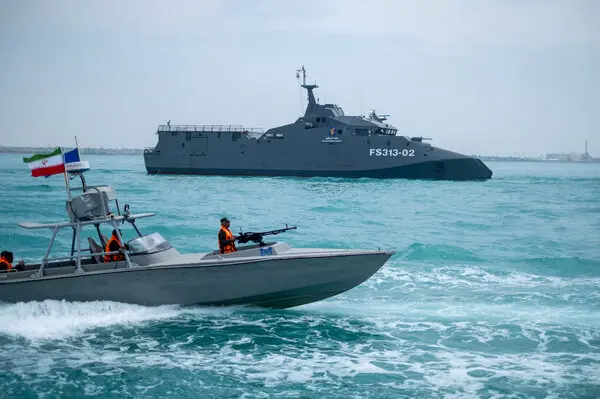
Analysts reported that tanker traffic through the Strait of Hormuz has effectively come to a standstill, as shipping companies adopt precautionary measures.
The Strait of Hormuz is one of the world’s most strategically important oil corridors. Roughly one-third of global seaborne oil exports passed through the narrow waterway in 2025.
Any prolonged disruption could severely tighten global supply, pushing prices even higher.
Shipping operators are reportedly reassessing risk exposure in the region, with insurers also closely monitoring developments.
Escalation in the Middle East
The oil surge comes amid intensifying military action. President Donald Trump said Sunday that combat operations in Iran would continue until U.S. objectives are fully achieved.
Over the weekend, a wave of airstrikes launched by the U.S. and Israel targeted key Iranian sites. Reports indicate that Iran’s Supreme Leader Ali Khamenei and other senior officials were killed during the operations, marking a dramatic escalation in the conflict.
Markets reacted swiftly, pricing in the risk of broader regional instability and prolonged supply disruptions.
Why Oil Prices Reacted So Sharply
Oil markets are highly sensitive to geopolitical risks, especially when they involve the Middle East, which remains central to global energy supply.
The 8–9% surge reflects several immediate concerns:
- Potential closure or restriction of the Strait of Hormuz
- Retaliatory actions from Iran affecting regional production
- Broader regional conflict drawing in other oil-producing nations
- Disruptions to tanker shipping and insurance costs
Even the perception of risk can drive sharp price swings, as traders move quickly to hedge against supply shortages.
What Happens Next?
Much now depends on how the situation evolves.
If tanker traffic resumes and the conflict remains contained, oil prices could stabilize. However, any confirmed disruption to exports from the region could push crude significantly higher in the coming days.
Energy markets, policymakers and consumers worldwide will be watching closely. A sustained rise in oil prices could impact fuel costs, inflation and global economic stability.
For now, the message from markets is clear: geopolitical uncertainty in the Middle East has once again placed global oil supply under the spotlight.

