
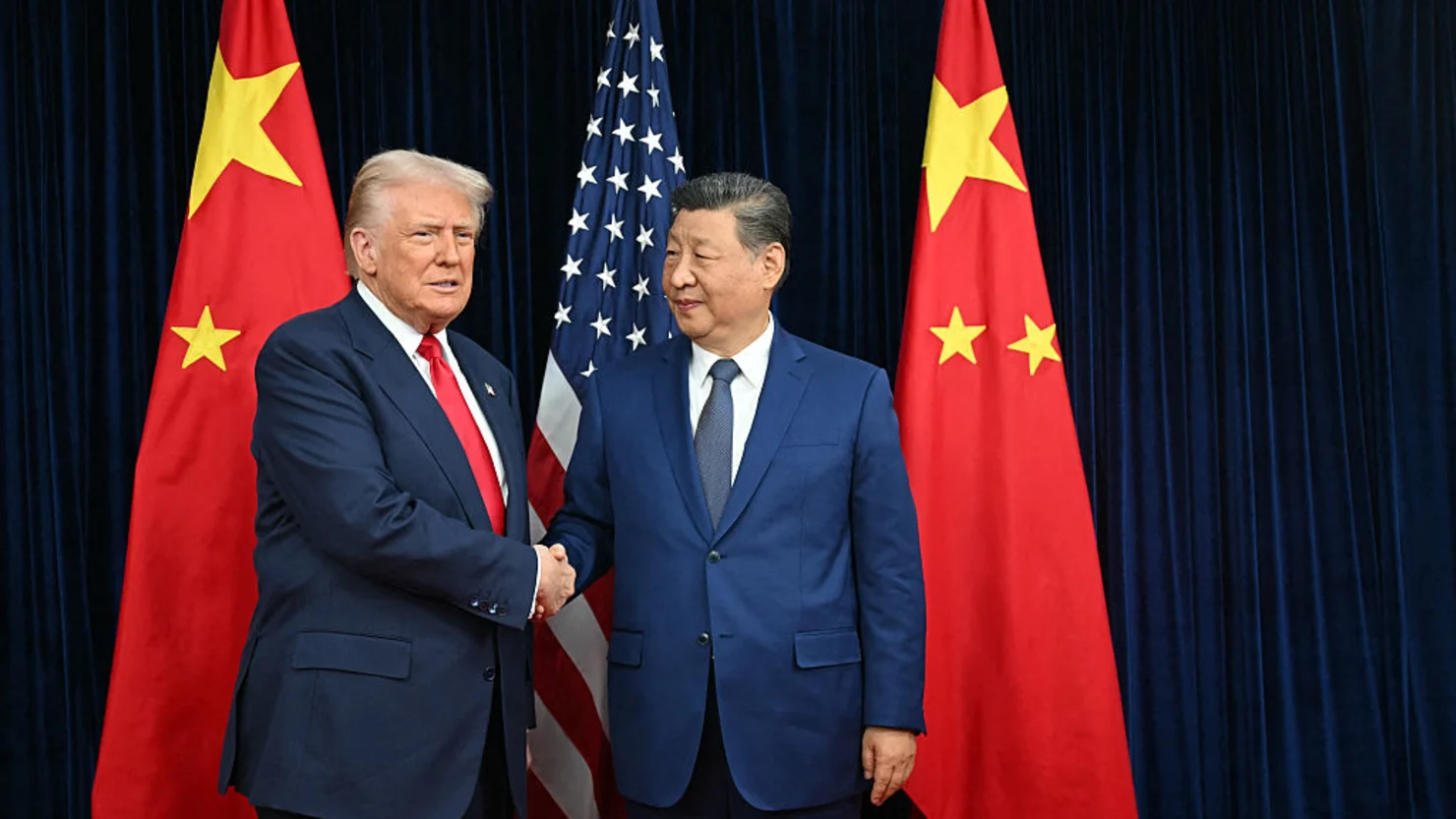

A recent ruling by the US Supreme Court has reshaped the dynamics of US-China trade tensions, potentially strengthening Beijing’s position ahead of a high-stakes summit expected in April.
Experts say the decision has weakened former President Donald Trump’s tariff strategy, a cornerstone of his economic and trade policy, just as negotiations with China are set to intensify.
What the Supreme Court Ruling Means
The Supreme Court’s decision effectively limits the scope of tariff measures that had been central to Trump’s approach toward China. While tariffs were designed to pressure Beijing on trade imbalances and technology issues, the ruling narrows the legal backing for certain executive actions.
According to trade experts, this development reduces Washington’s leverage in ongoing and future negotiations.
One former US trade representative described the situation bluntly, saying Trump has “effectively had his wings clipped on his signature economic policy.”
Why This Matters Before the April Summit
The timing of the ruling is critical. With an important summit scheduled for April, both Washington and Beijing are preparing to enter discussions under shifting political and economic circumstances.
Trade negotiations often rely heavily on perceived strength and bargaining power. The court’s move may alter how both sides approach the table.
For China, the ruling offers potential diplomatic and strategic advantages. Reduced tariff pressure could soften immediate economic risks, allowing Beijing to negotiate from a more confident position.
China’s Response So Far
China’s commerce ministry has stated that it is assessing the impact of the Supreme Court ruling. While officials have not issued detailed comments, the acknowledgment signals that Beijing is carefully evaluating how the legal shift in the US could influence broader trade relations.
China has long criticized US tariffs as unilateral and damaging to global trade stability. A weakening of those measures may be viewed as an opportunity to recalibrate talks.
The Bigger Picture: Tariffs as a Negotiation Tool
Tariffs have been one of the most visible tools in the US-China trade dispute over the past several years. They were introduced as a way to:
- Address trade imbalances
- Pressure China on intellectual property concerns
- Push for structural reforms
However, tariffs also carried economic consequences for US businesses and consumers, leading to debates over their long-term effectiveness.
With the Supreme Court stepping in, the balance between executive power and legal oversight has come into sharper focus.
How This Affects US Negotiating Power
Trade policy often depends not only on economic metrics but also on political momentum. If a president’s authority to impose or maintain tariffs is constrained, it may limit flexibility in negotiations.
Experts suggest that Beijing could interpret the ruling as a sign of reduced US leverage. That perception alone could influence the tone and outcome of upcoming talks.
However, it is also possible that both sides may seek compromise to stabilize economic relations amid global uncertainty.
What to Watch Ahead of the Summit
As the April summit approaches, several factors will be closely monitored:
- Whether the US administration adjusts its trade strategy
- How China responds diplomatically and economically
- Market reactions to potential easing of trade tensions
- Signals of renewed negotiations or concessions
The ruling adds another layer of complexity to an already delicate relationship between the world’s two largest economies.
A Turning Point in Trade Tensions?
While it is too early to determine the full impact of the Supreme Court’s decision, the immediate effect is clear: it has shifted the strategic landscape ahead of a pivotal diplomatic moment.
For Trump, tariffs were a defining element of his economic agenda. For China, the court’s intervention may provide breathing room and added leverage.
As both nations prepare for high-level discussions, the global economic community will be watching closely. The outcome could influence not just bilateral trade, but also broader market stability and international economic relations.

