
Epstein Files Trigger Global Fallout: CEOs, Politicians and Legal Titans Under Scrutiny

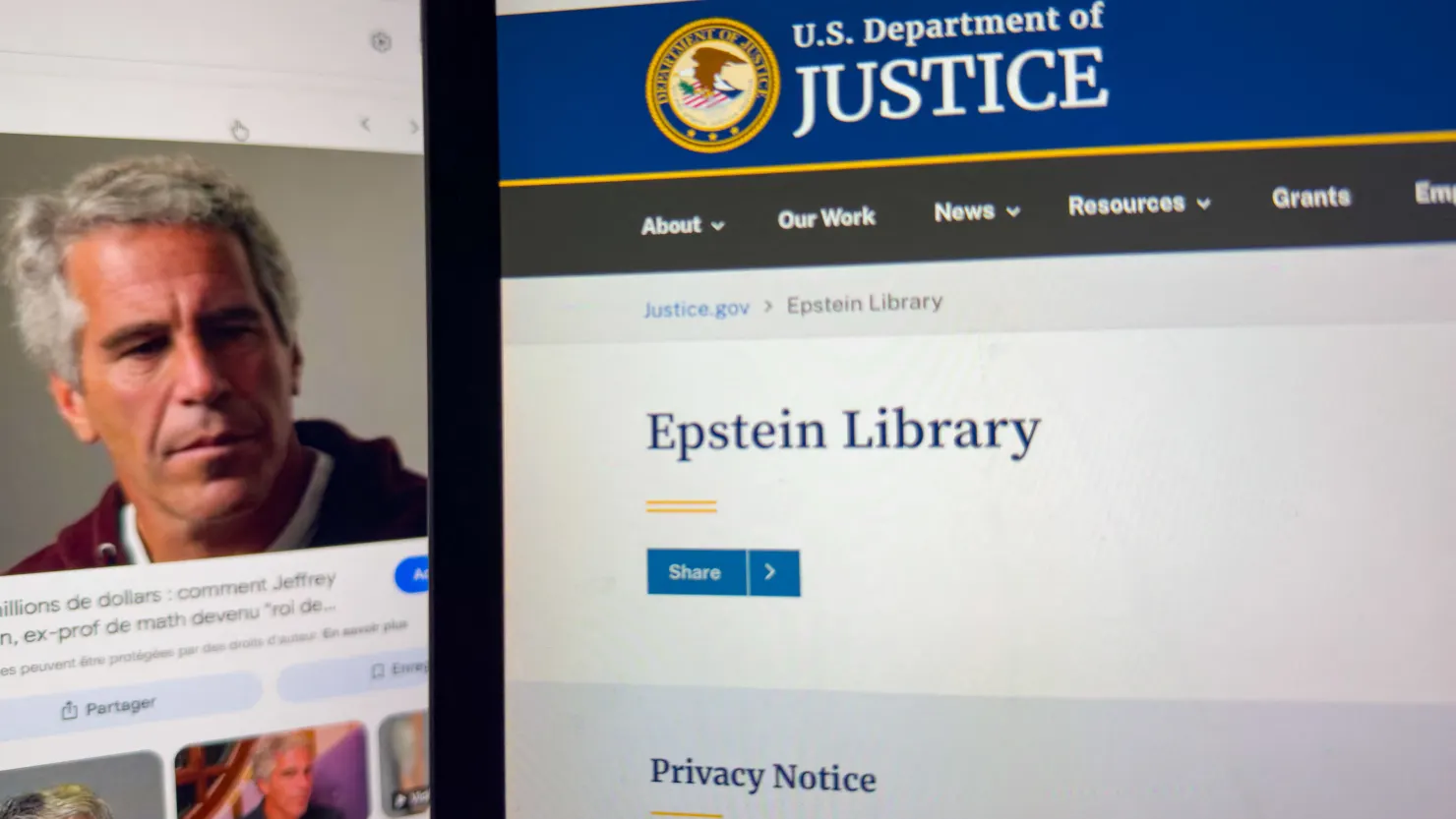
The release of millions of pages of documents by the U.S. Department of Justice related to convicted sex offender Jeffrey Epstein has sent shockwaves through political, academic, and corporate circles across the globe.
The newly disclosed files have triggered a wave of resignations, internal reviews, and intense public scrutiny for several prominent individuals. While being named in the documents does not imply criminal wrongdoing, the reputational impact has proven significant.
From Wall Street to Ivy League campuses, the fallout underscores how past associations — even indirect ones — can resurface with serious consequences.
What the DOJ Release Contains
The Department of Justice released millions of pages of material tied to investigations, court proceedings, and records related to Epstein’s network and interactions.
The documents reportedly include:
- Contact records
- Meeting logs
- Correspondence
- Travel references
- Business connections
Importantly, legal experts emphasize that appearing in the documents does not mean an individual committed a crime or had knowledge of Epstein’s criminal conduct.
However, in today’s environment, even a peripheral connection to a notorious figure can carry reputational risk.
Corporate Leaders Under Pressure
Among those affected is the top lawyer at Goldman Sachs, whose past interactions referenced in the files prompted internal scrutiny and public attention.
Similarly, the CEO of Dubai’s largest port operator has faced mounting pressure following disclosures of historical associations. Corporate boards and stakeholders are increasingly sensitive to reputational risks, especially when they intersect with high-profile scandals.
In some cases, individuals have stepped down from leadership roles amid mounting public and media attention.
Academia and Legal Circles Impacted
The documents have also had ripple effects in academia and the legal profession.
A former president of Harvard University is among those facing renewed scrutiny over past interactions. Academic institutions, which rely heavily on donor relationships and public trust, are particularly vulnerable to reputational fallout.
In the legal world, the chairman of a leading American corporate law firm has reportedly faced internal and external questions about past dealings referenced in the files.
These developments illustrate how associations from years ago can resurface and challenge professional standing.
Political Figures Named
The document release has also drawn attention to former political leaders, including a former U.S. president and a former secretary of state.
While no criminal implications have been formally tied to these mentions, the public nature of the disclosures has amplified media coverage and political debate.
In highly polarized environments, even indirect references can quickly become flashpoints.
Reputational Risk in the Digital Age
The Epstein case has long symbolized the intersection of wealth, influence, and misconduct. The latest document release has renewed public interest in who knew what — and when.
But the key distinction remains critical: being mentioned in records does not equate to wrongdoing.
Still, in the digital age, perception can be as powerful as proof. Once names circulate widely online, reputational consequences can unfold rapidly, regardless of legal findings.
Companies, universities, and law firms are particularly sensitive to:
- Public trust
- Brand integrity
- Investor confidence
- Governance standards
As a result, even historical ties can lead to resignations or internal reviews.
Why the Fallout Is Spreading Now
The scale of the Department of Justice’s release has made it easier for journalists, watchdog groups, and the public to comb through records.
Large document dumps often lead to:
- Renewed media investigations
- Social media amplification
- Political scrutiny
- Corporate governance reviews
In this case, the notoriety of Epstein ensures heightened interest in any newly revealed details.
Legal Reality vs. Public Reaction
Legal experts stress that documentation of contact does not establish criminal conduct or awareness of illegal activity.
Epstein was known to cultivate relationships across business, academia, politics, and philanthropy. Many individuals who interacted with him have maintained that they were unaware of his crimes at the time.
Nevertheless, organizations often prioritize reputational protection over prolonged controversy. Stepping down, launching internal investigations, or issuing public clarifications are common responses in high-profile cases.
A Broader Reckoning
The renewed scrutiny reflects a broader shift in how institutions handle legacy associations.
In previous decades, connections to controversial figures might have faded quietly over time. Today, digital records and document releases ensure that past relationships can be revisited years later.
The Epstein files serve as a reminder that:
- Transparency can reshape public narratives.
- Institutional accountability expectations are rising.
- Reputational management is now central to leadership risk.
The Road Ahead
As analysts, journalists, and legal teams continue reviewing the released documents, more names may surface in public discussion.
For those mentioned, the path forward may involve:
- Public statements clarifying context
- Internal compliance reviews
- Legal consultations
- Reputation repair strategies
While being referenced in the documents does not imply guilt, the fallout demonstrates how deeply the Epstein case continues to reverberate through elite institutions.
The broader lesson is clear: in an era of radical transparency, even distant past associations can carry present-day consequences.

