
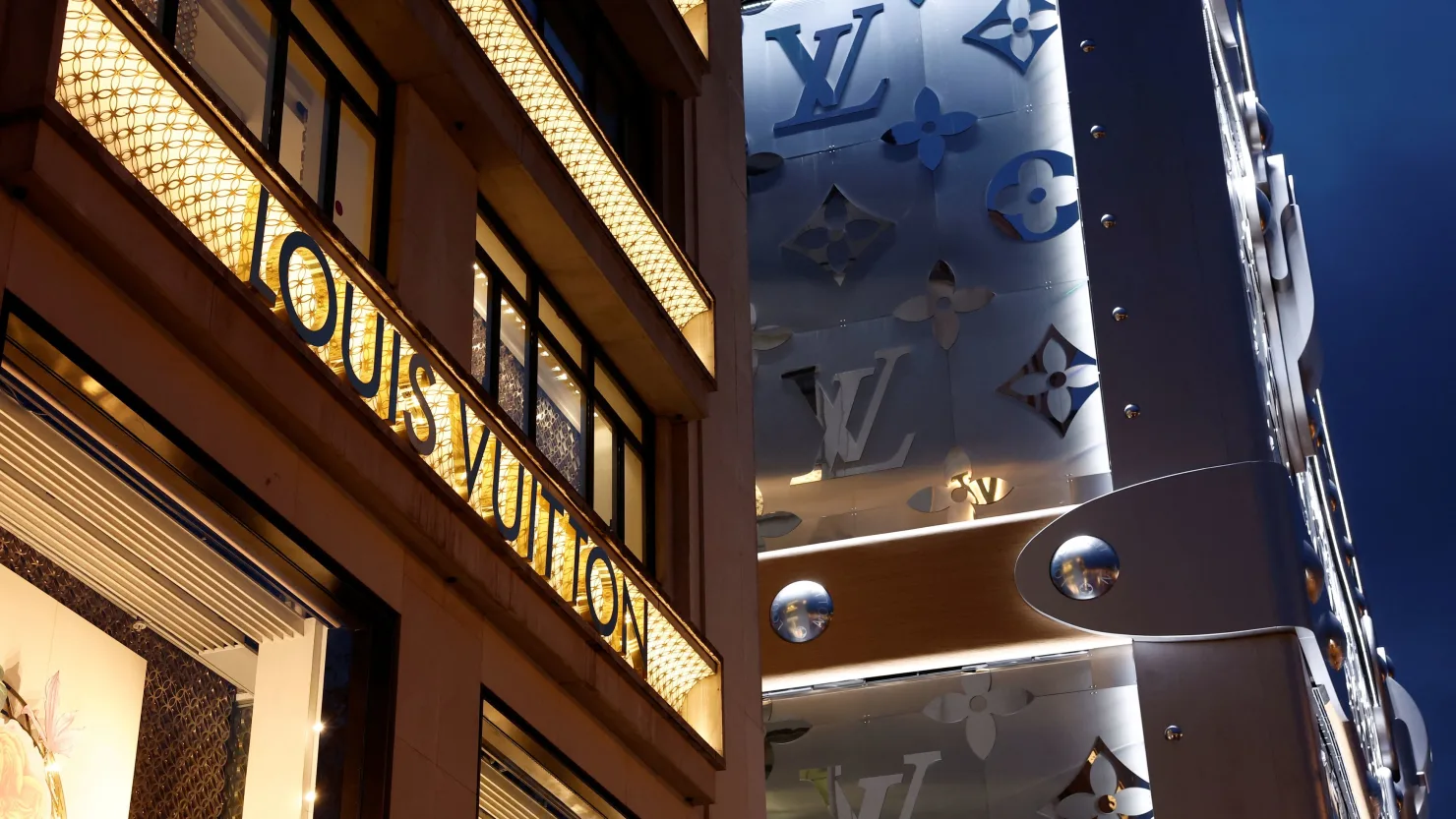

Luxury powerhouse LVMH, known for brands like Louis Vuitton, Dior, and Moët & Chandon, saw its shares fall 7% after reporting fourth-quarter results that fell short of investor expectations. While the company still posted growth in some areas, the performance lagged behind competitors, triggering concerns about the year ahead.
Q4 Performance: Modest Growth, Slower Than Expected
In the fourth quarter, LVMH’s organic revenue — revenue excluding currency and acquisition effects — grew just 1% to reach 22.7 billion euros ($27.2 billion). This growth rate mirrored the previous quarter, signaling steady but unspectacular performance.
Over the full year, however, organic revenue declined 1%, showing that the luxury giant faced headwinds across some markets. Despite maintaining its position as a leading luxury brand, LVMH could not match the faster growth seen by some rivals.
CEO Bernard Arnault Sounds a Cautionary Note
During an investor call, LVMH CEO Bernard Arnault cautioned that 2026 may bring challenges for the luxury sector. He specifically highlighted geopolitical tensions and broader economic uncertainties as factors that could weigh on demand for high-end goods.
Arnault’s comments suggest that LVMH is preparing for a more cautious year, focusing on resilience rather than rapid expansion.
Why LVMH Lagged Behind Competitors
Several factors contributed to LVMH’s slower performance in Q4:
- Global economic pressures: Rising interest rates and inflation in key markets may have affected consumer spending on luxury goods.
- Geopolitical uncertainty: Political tensions and economic instability in certain regions could dampen demand.
- Competitive pressure: Rival luxury brands have been posting stronger growth, particularly in Asia and North America.
Although LVMH remains the world’s largest luxury group, these challenges underscore the difficulties even top players face in the current market environment.
Looking Ahead: What Investors Should Watch
Investors will be watching LVMH closely in 2026 for signs of recovery or further slowdown. Key areas to monitor include:
- Regional performance: Growth in Asia, particularly China, will be critical as markets recover from pandemic-era slowdowns.
- Product launches and collections: New luxury releases could drive higher sales if they resonate with consumers.
- Cost management and efficiency: Maintaining margins amid slower revenue growth will be essential.
LVMH’s cautious outlook may prompt investors to reassess expectations for the luxury sector this year.
Conclusion
LVMH’s 7% share drop highlights that even the world’s biggest luxury brand is not immune to market pressures. While Q4 growth was positive, it lagged competitors, and full-year revenue showed a slight decline. CEO Bernard Arnault’s warnings about 2026 underscore the uncertainties facing the luxury sector, from geopolitical risks to changing consumer behavior.
For investors and luxury market watchers, the year ahead may be about adaptation and resilience, rather than spectacular growth.

